

Children's education in the occupied Palestinian territory is under attack
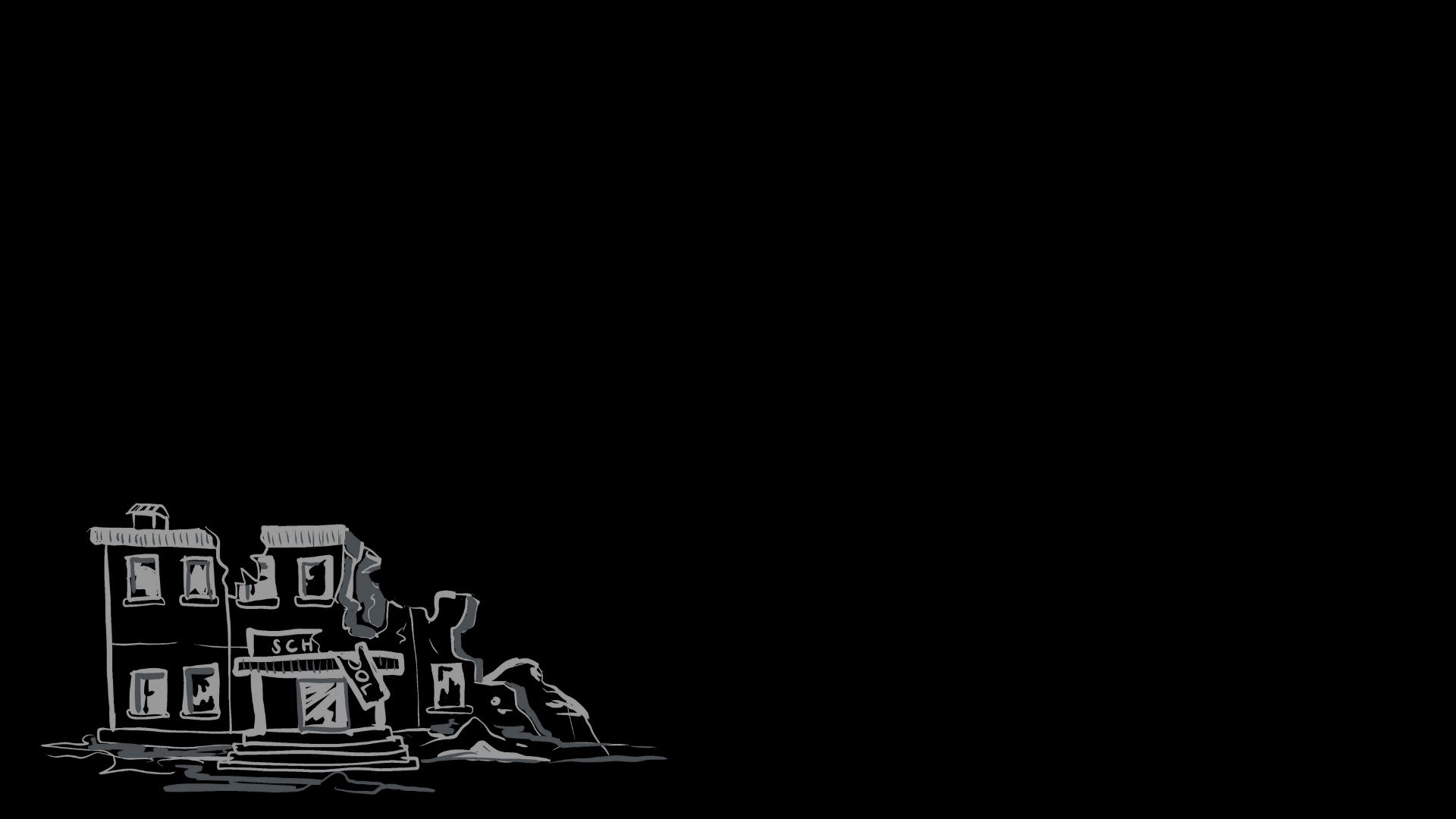

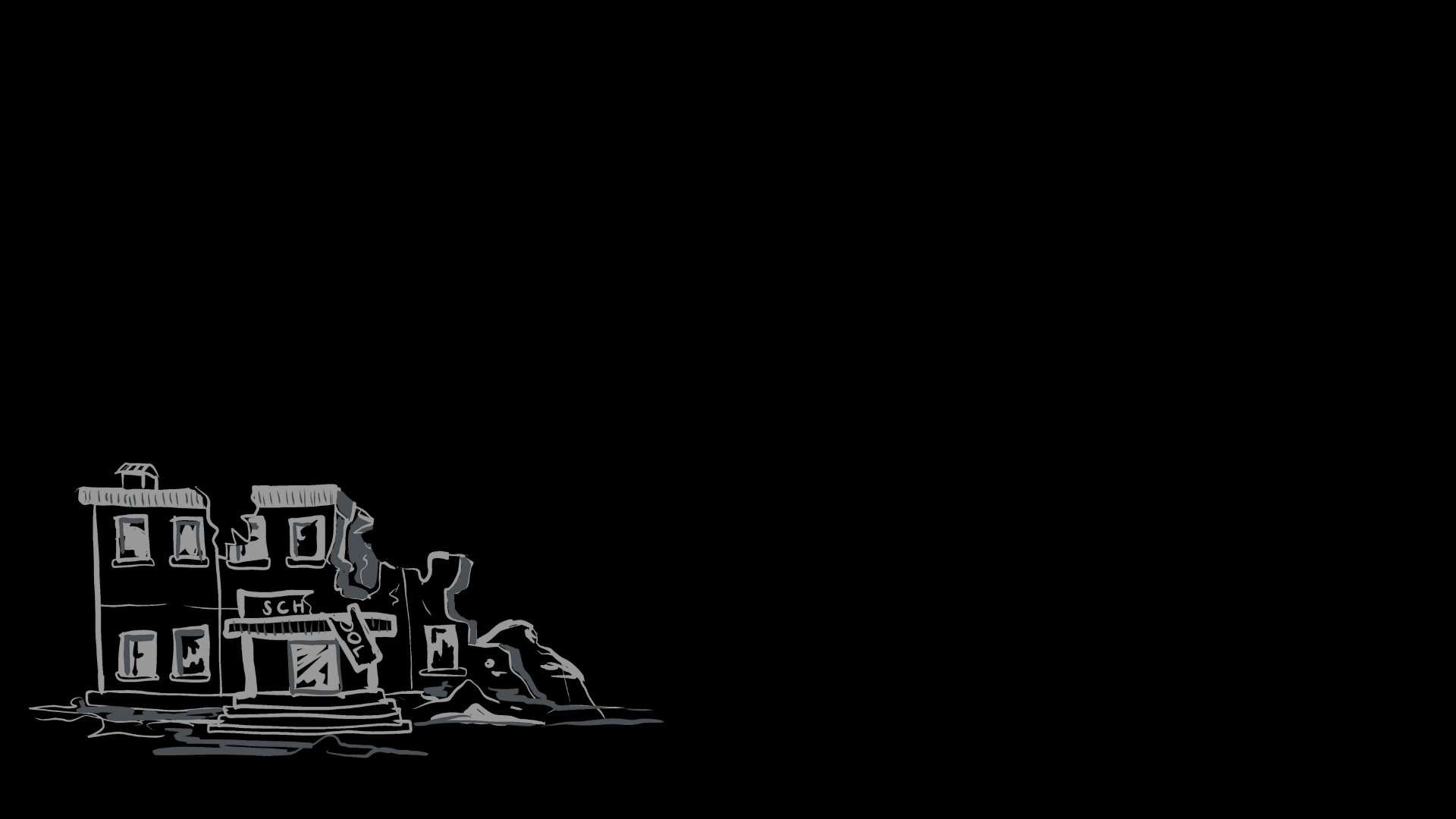
Children's education is under attack in the occupied Palestinian territory

A child should worry about homework, not whether they and their loved ones will survive airstrikes or whether their school will be standing tomorrow.
In the occupied Palestinian territory, Israeli forces are destroying children’s safe havens, including schools.
It is not just schools but the education system as a whole that is under attack, endangering the lives and futures of millions of Palestinian children.

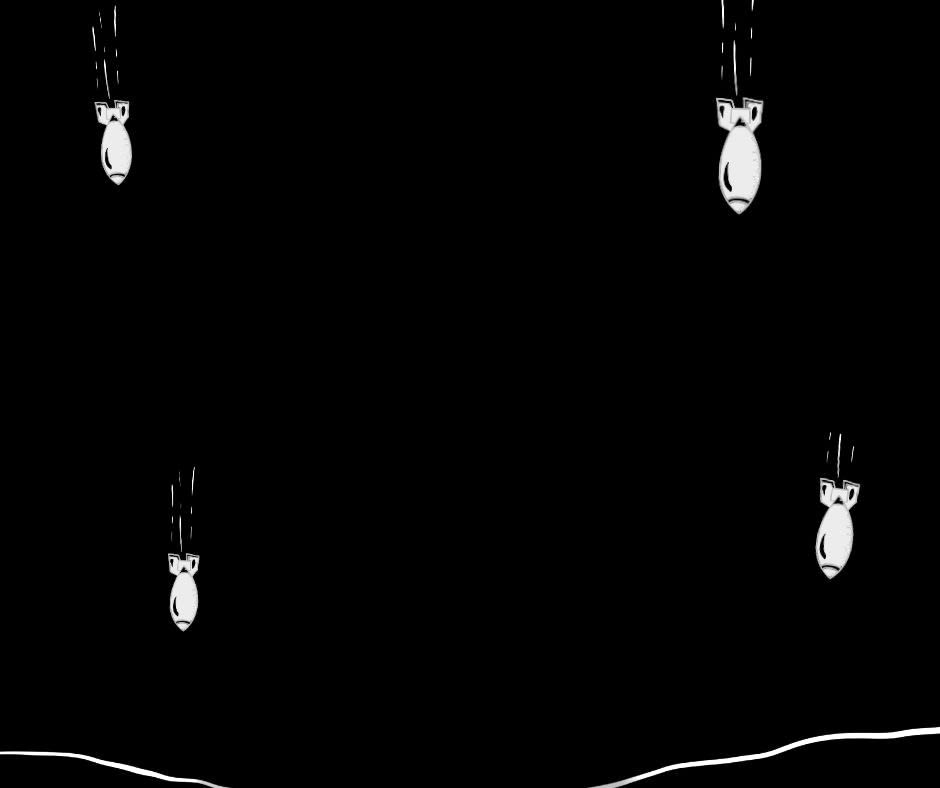
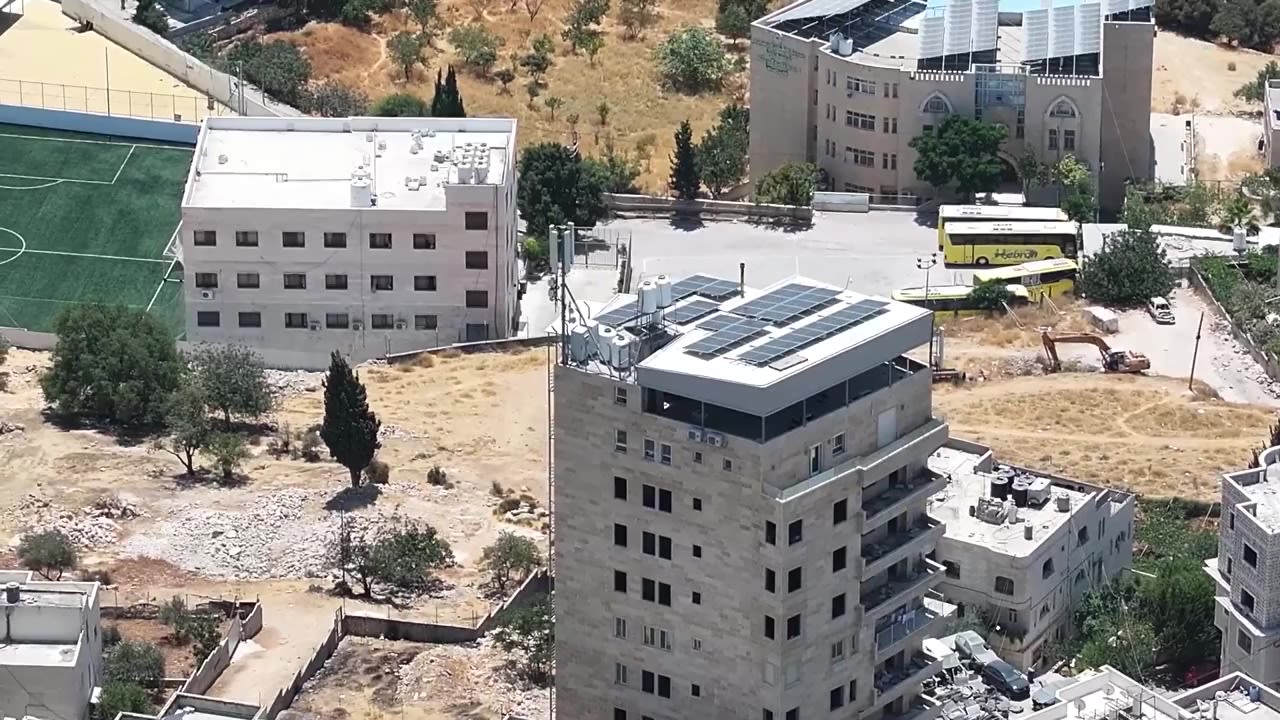

Over 58 years of Israeli occupation—including 18 years of air, land, and sea blockade on Gaza, as well as the war—Palestinian children’s right to education has faced relentless attacks.
Years of occupation, displacement, and disenfranchisement have severely undermined Palestinian children's right to access education, leaving them without the support, structure, and hope that schooling provides.
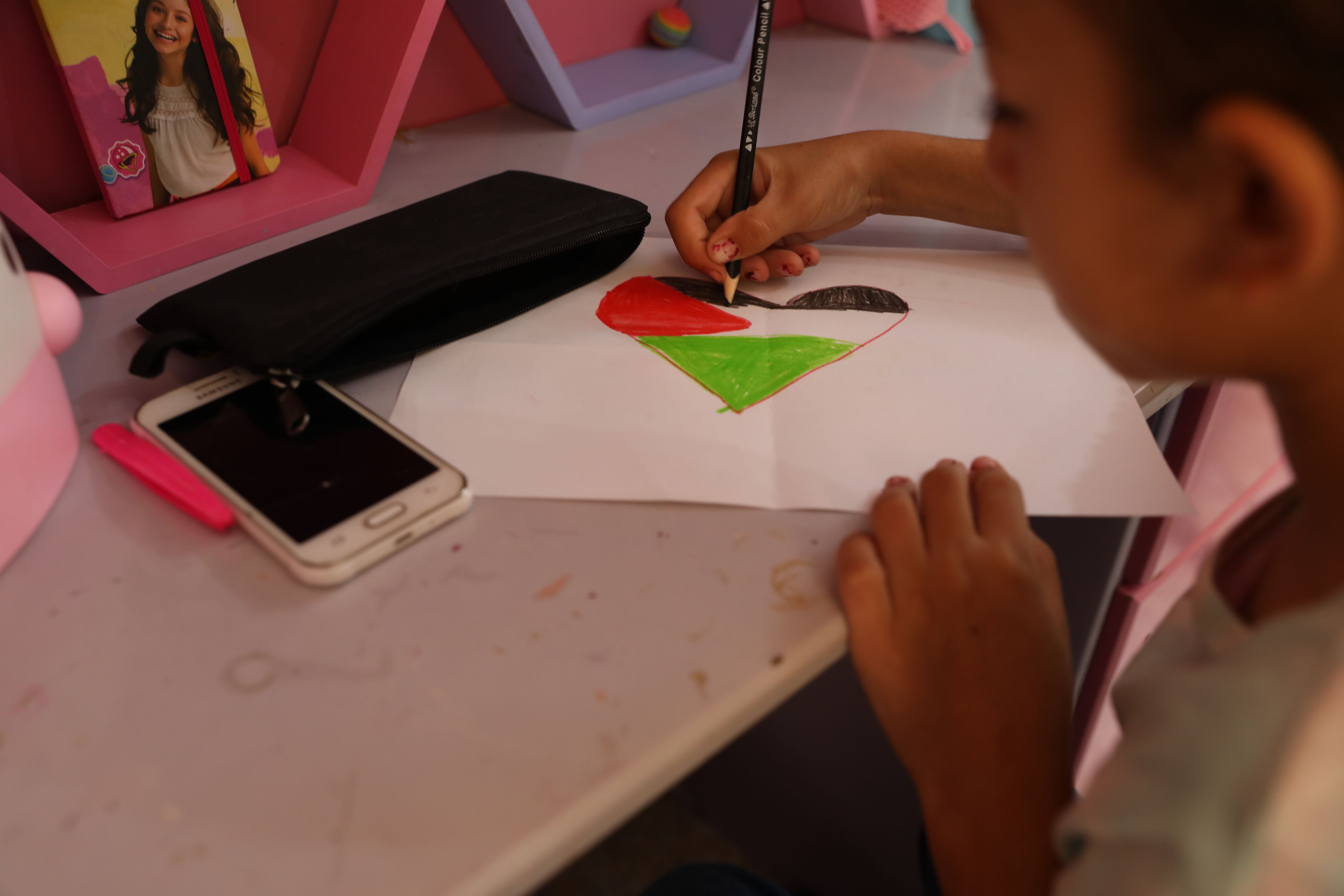
Through the eyes of Sara* 5, Mona* 12, Yousef* 14 and Kareem* 16, you will see how Palestinian children who want to learn, are instead being forcibly prevented from pursuing their education safely, putting their lives and futures in grave danger.
Keep scrolling or use the navigation button at the top to read their testimonies and experiences.



THE WAR IN GAZA HAS DENIED HUNDREDS OF THOUSANDS OF CHILDREN THE RIGHT TO A FORMAL EDUCATION

Since the war erupted in 2023, all of Gaza’s schools, responsible for educating 625,000 students, have been closed.
As of 4th November 2025, the number of students and teachers killed by Israeli forces is the following:

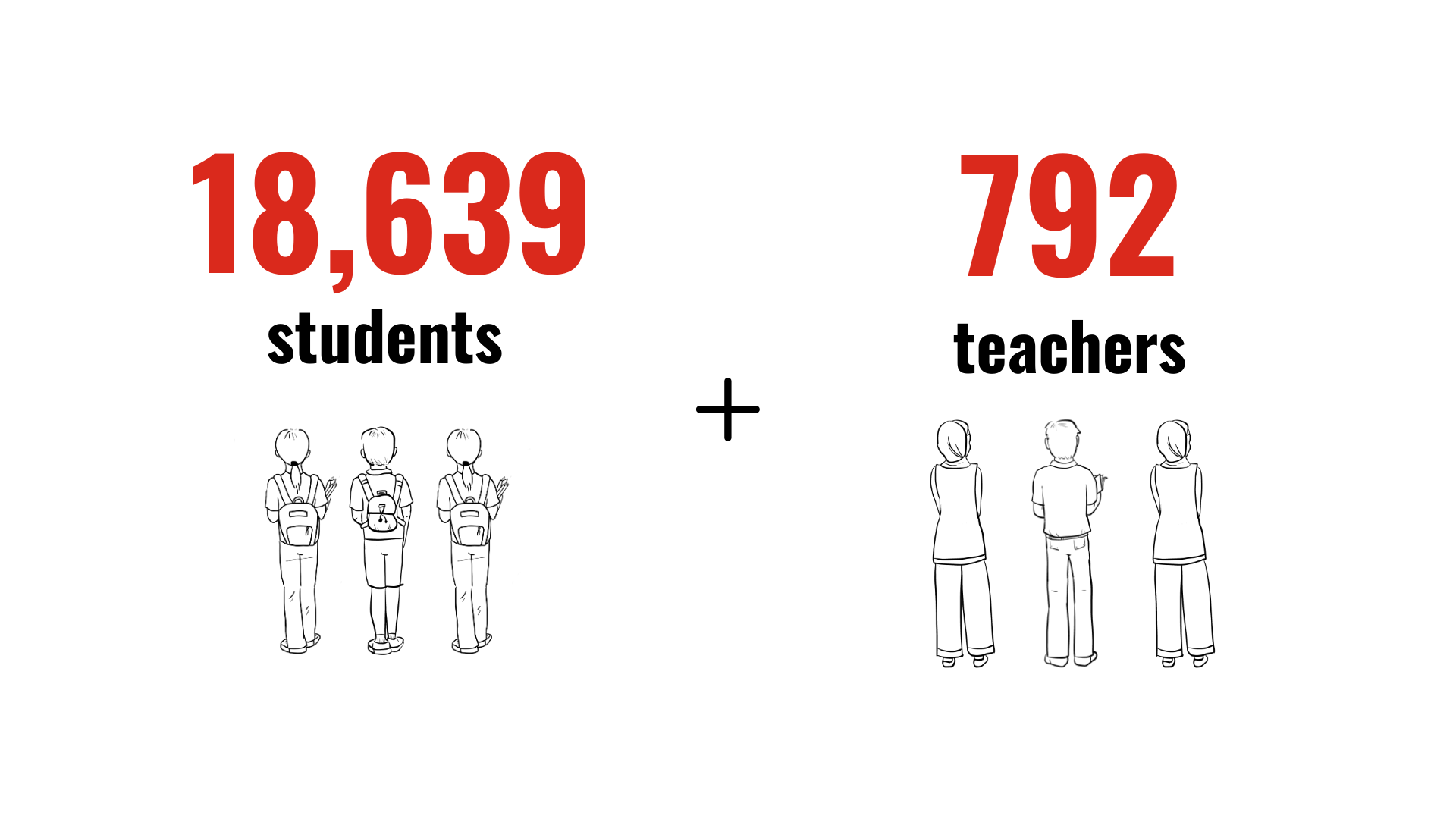
The number of children killed equates to 485 classrooms' worth of children. As a result, children like Sara* are now out of school, forced to focus on survival rather than learning—an experience no child should ever have to endure.
Scroll down to hear the story of 5-year-old Sara* from Gaza.
Since the war erupted in 2023, all of Gaza’s schools, responsible for educating 625,000 students, have been closed.
As of 4th November 2025, the number of students and teachers killed by Israeli forces is the following:
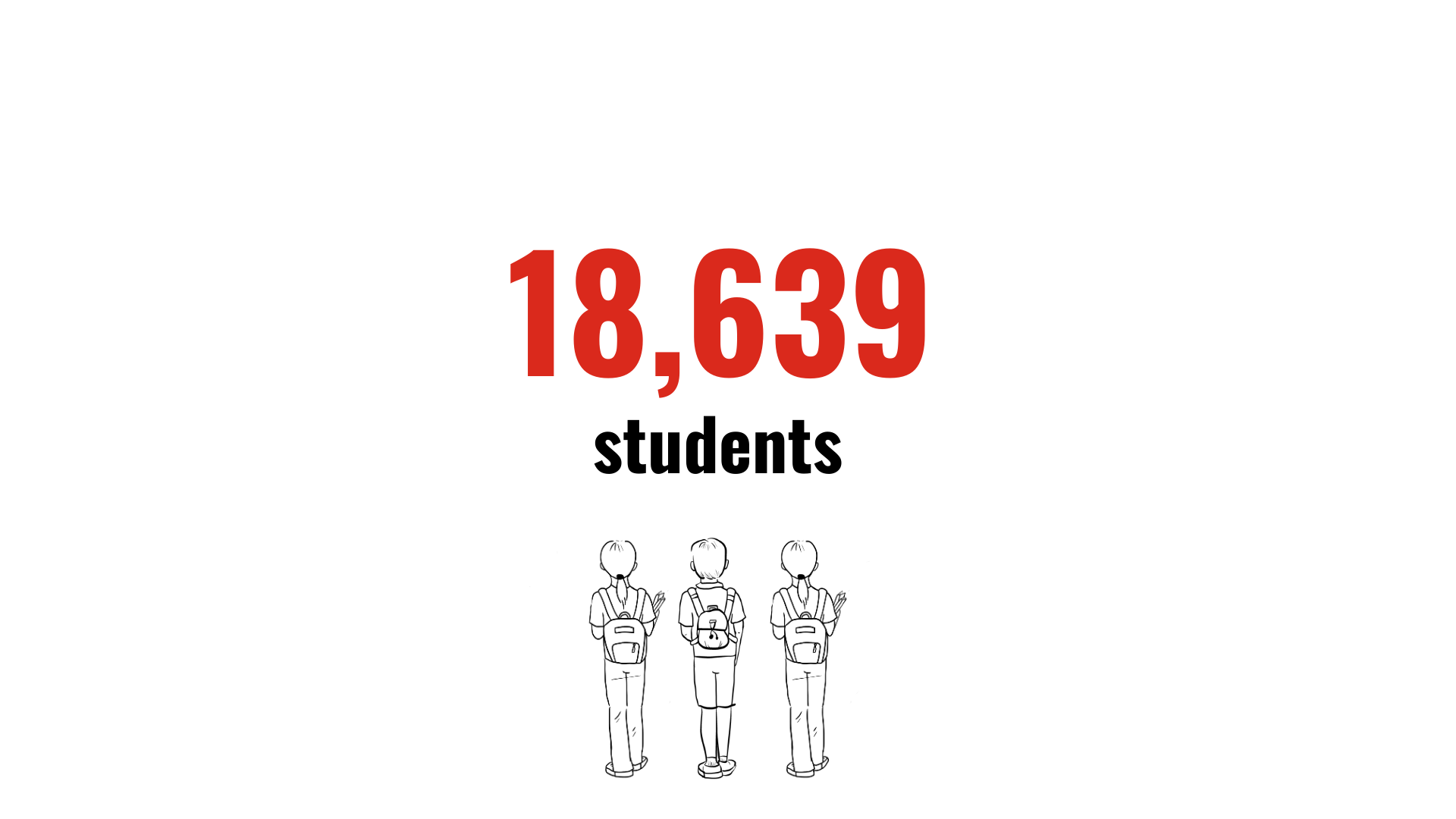
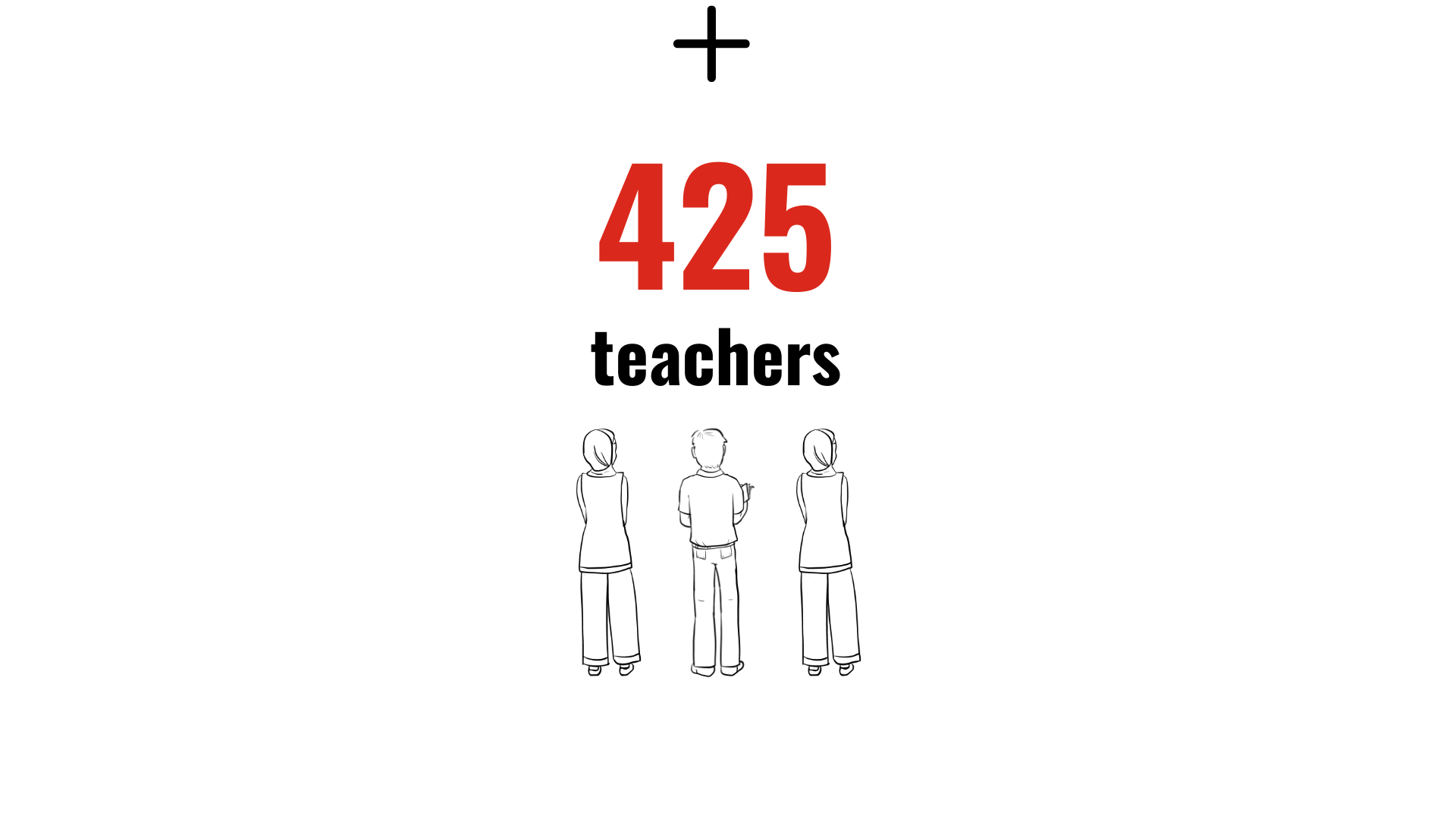
The number of children killed equates to 485 classrooms' worth of children. As a result, children are now out of school, forced to focus on survival rather than learning—an experience no child should ever have to endure.
Scroll down to hear the story of 5-year-old Sara* from Gaza.
SARA*
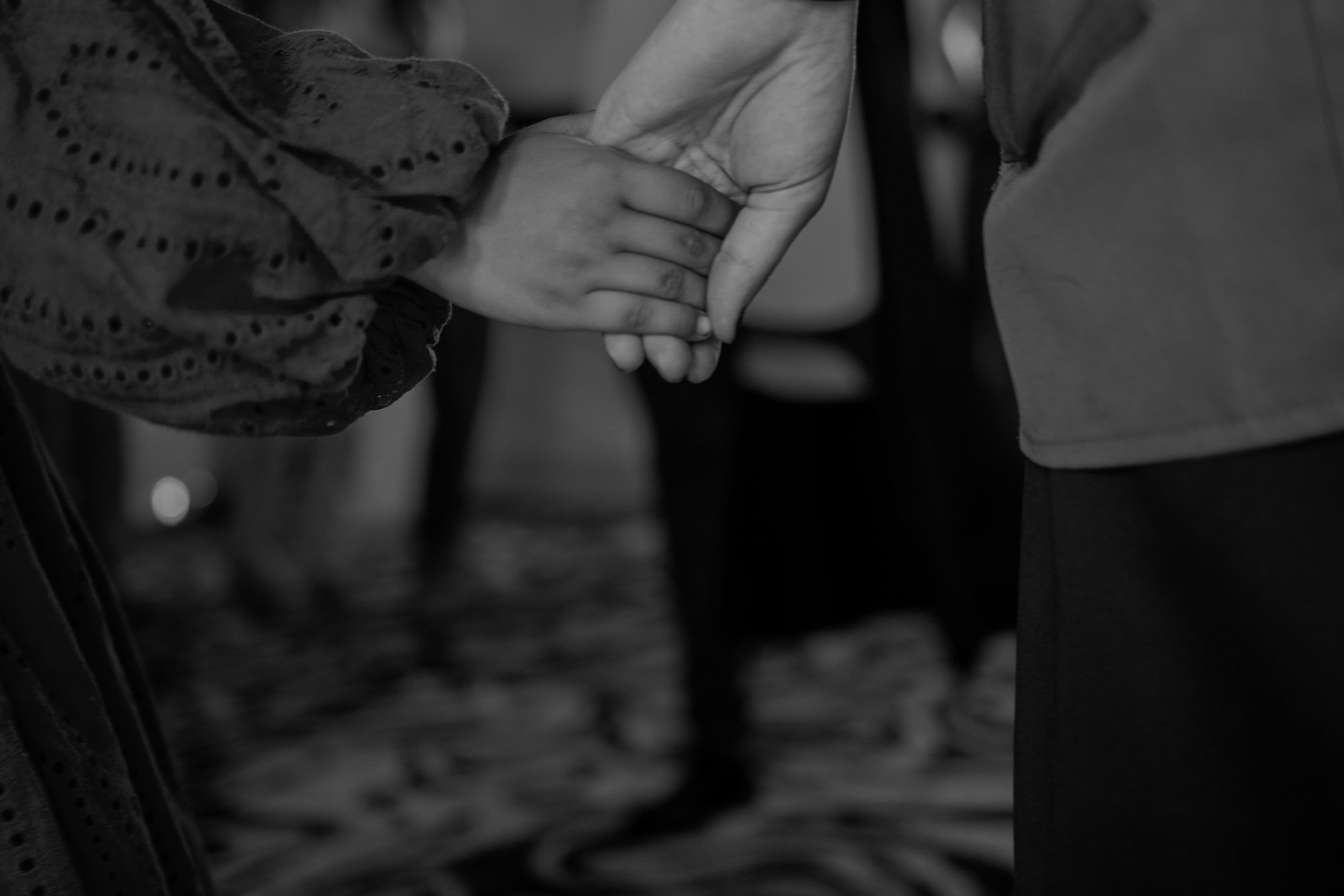
When the war started, Sara*, 5, had just begun her preschool year.
Now, nearly two years into the war, the chance to begin her learning journey at school has been taken away.
Hiba* 25, is a teacher at one of Save the Children’s temporary learning spaces.
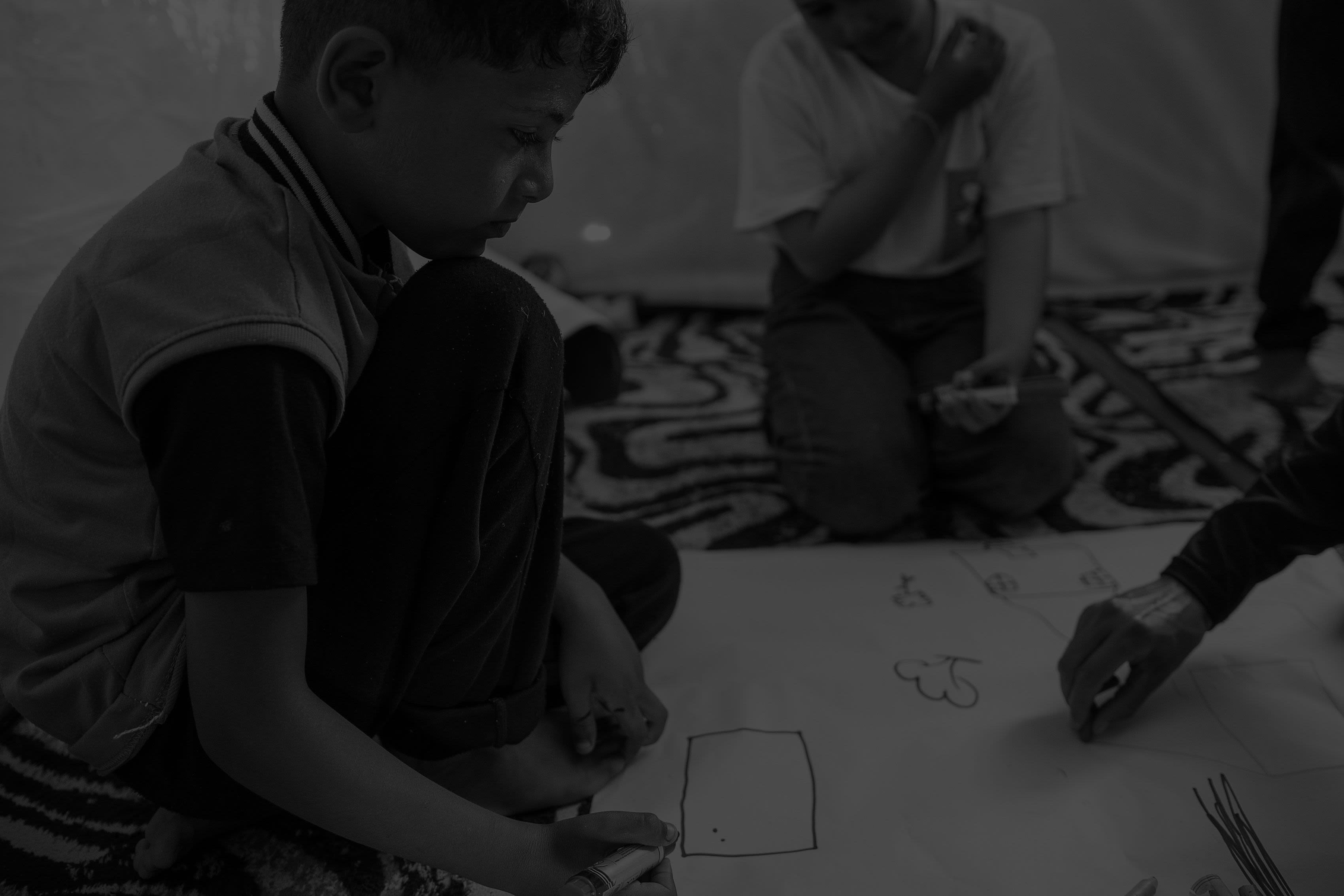
In this animation, Hiba tells us about Sara’s daily life, trying to secure a few minutes of learning between queuing for the soup kitchen and chasing the water truck.
This video show's how Sara's education is disrupted in Gaza by her daily tasks such as collecting food and water, because she is displaced.
This video show's how Sara's education is disrupted in Gaza by her daily tasks such as collecting food and water, because she is displaced.
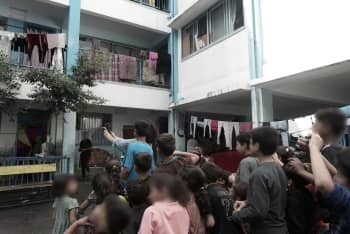

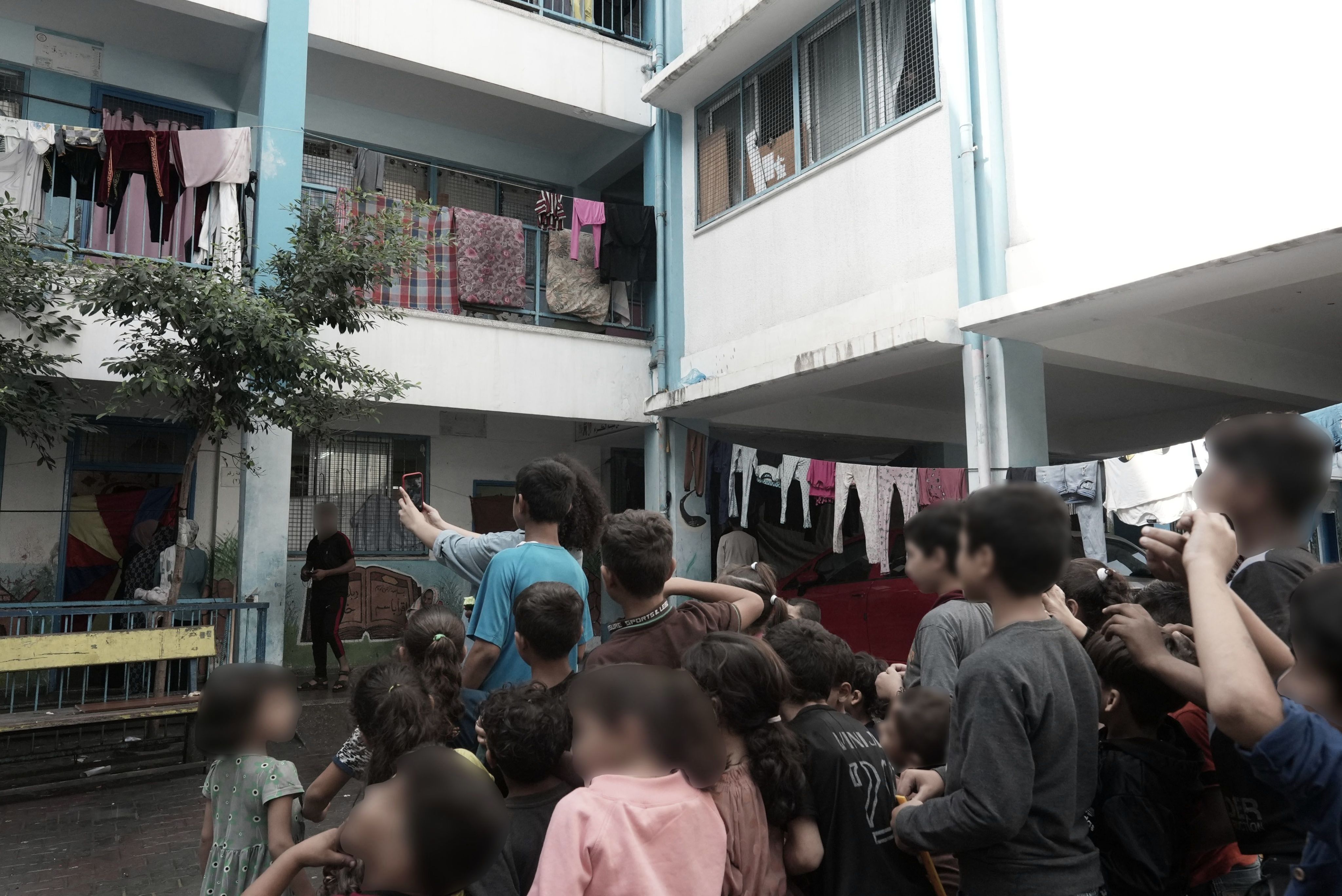

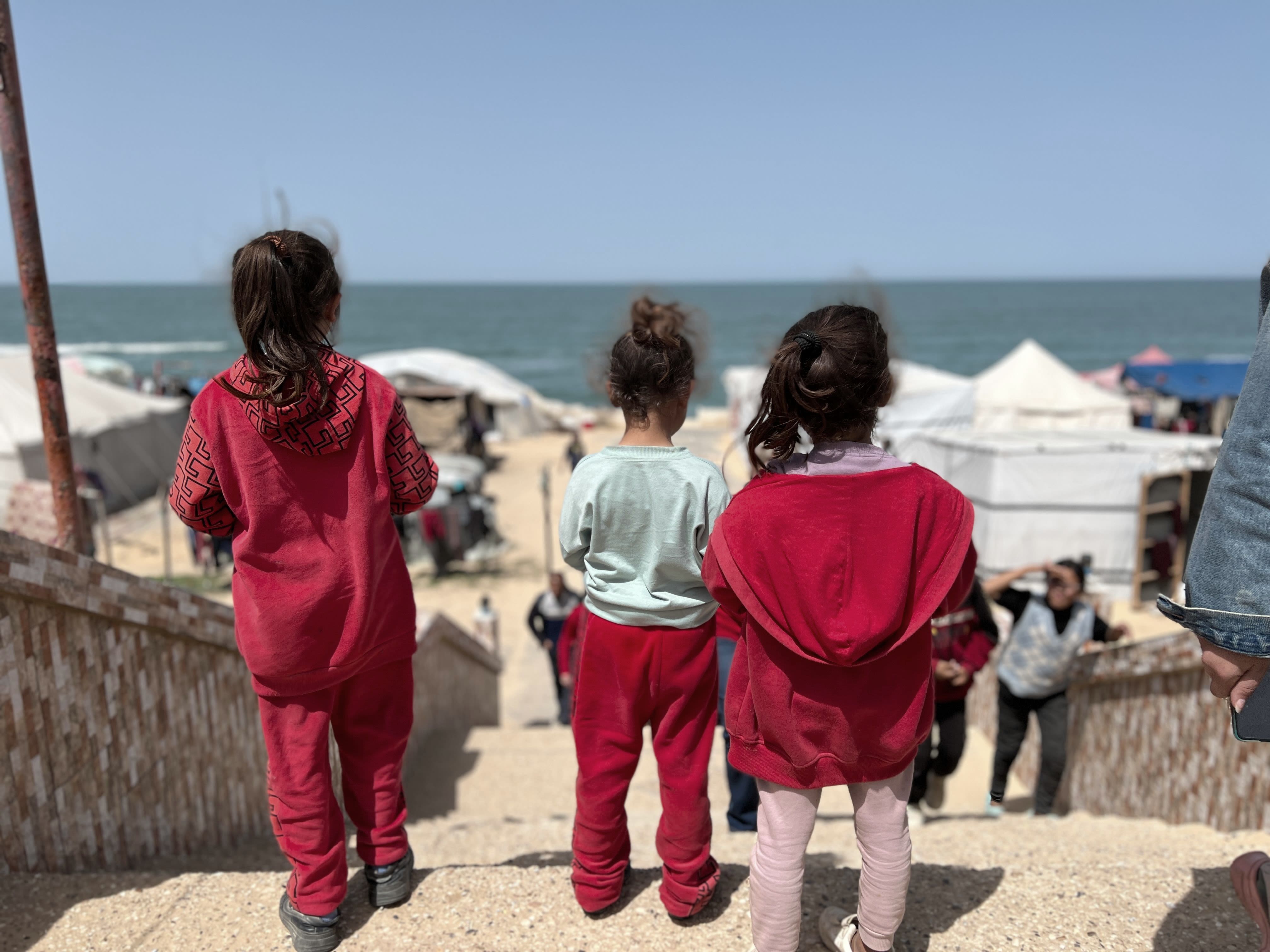

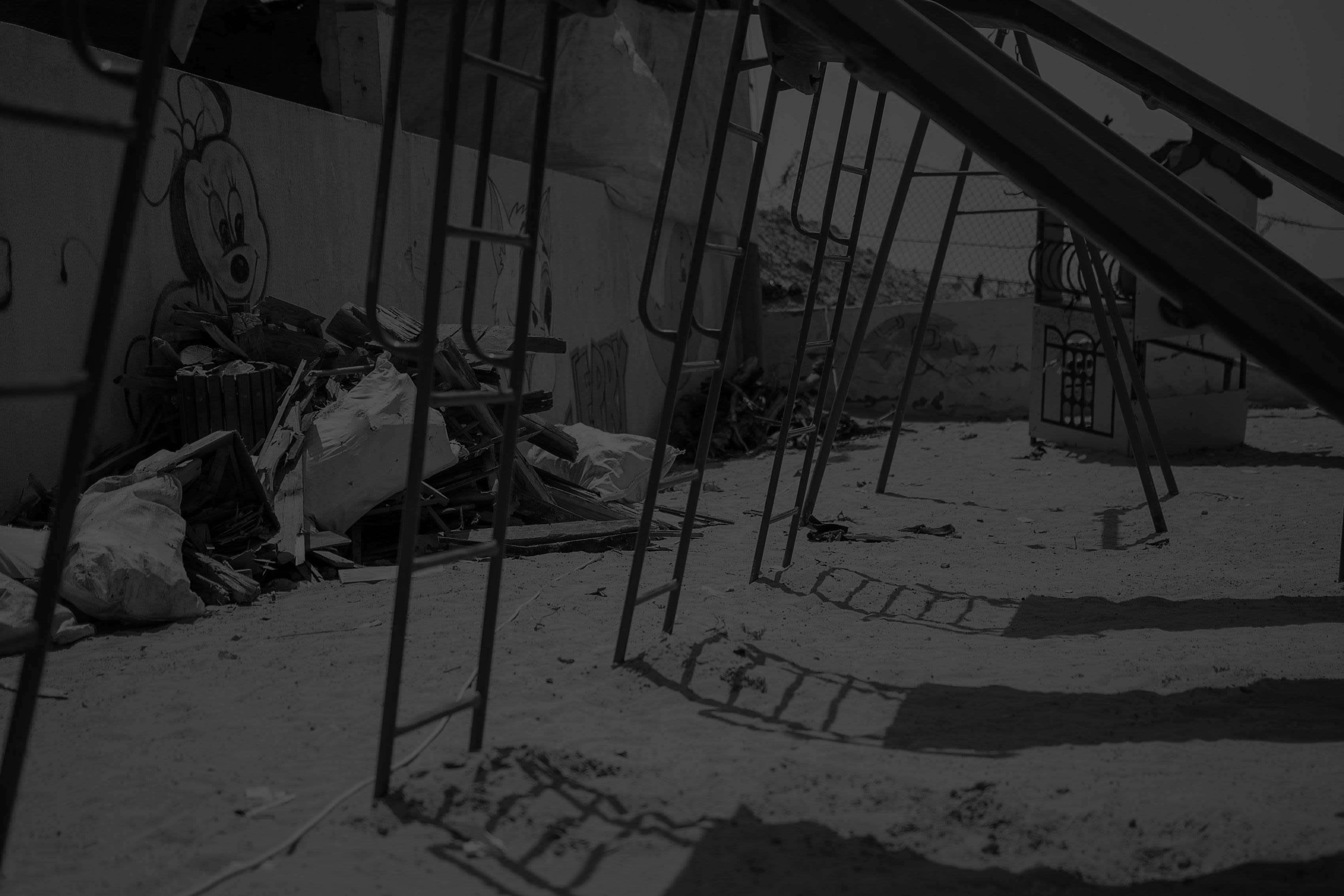


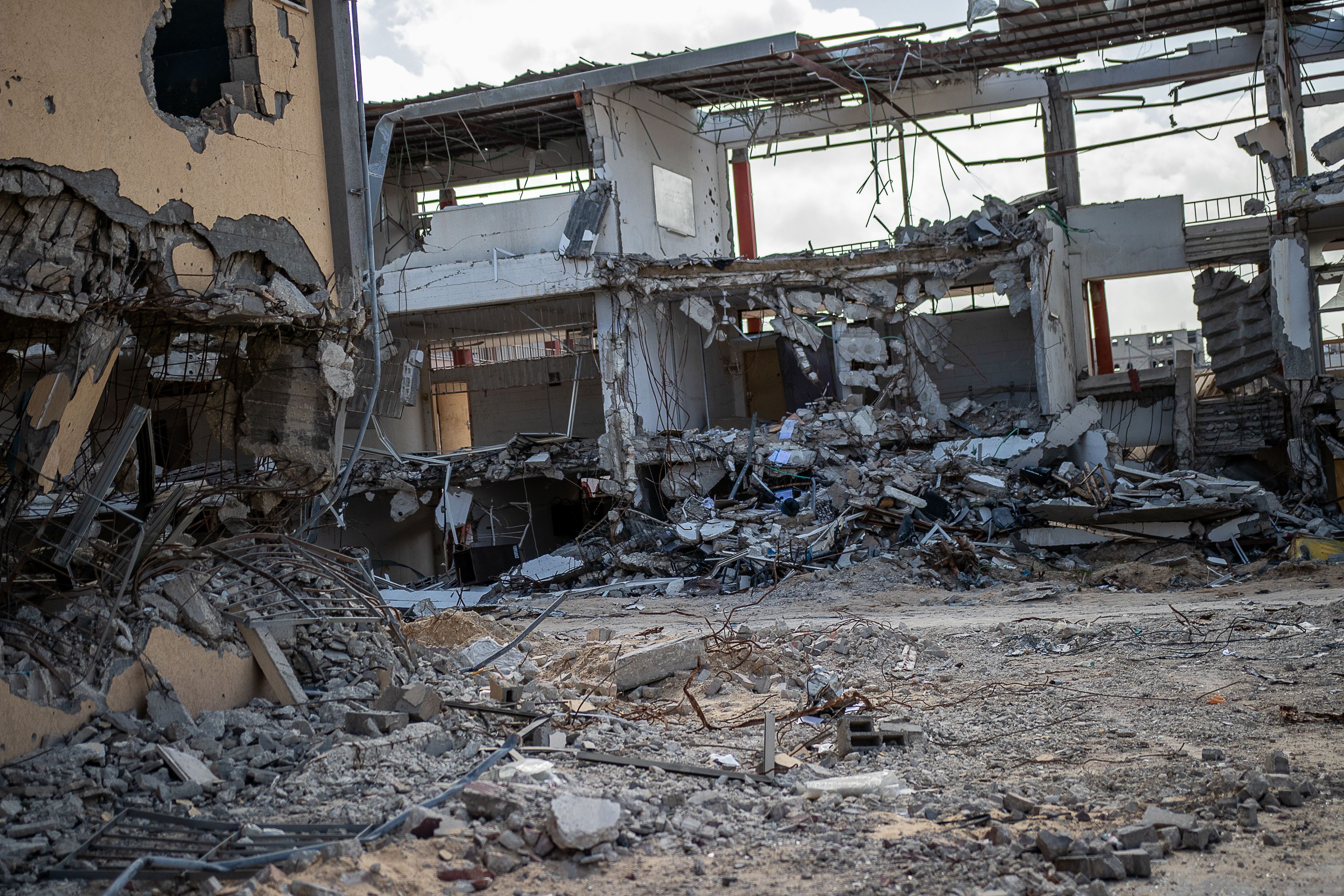
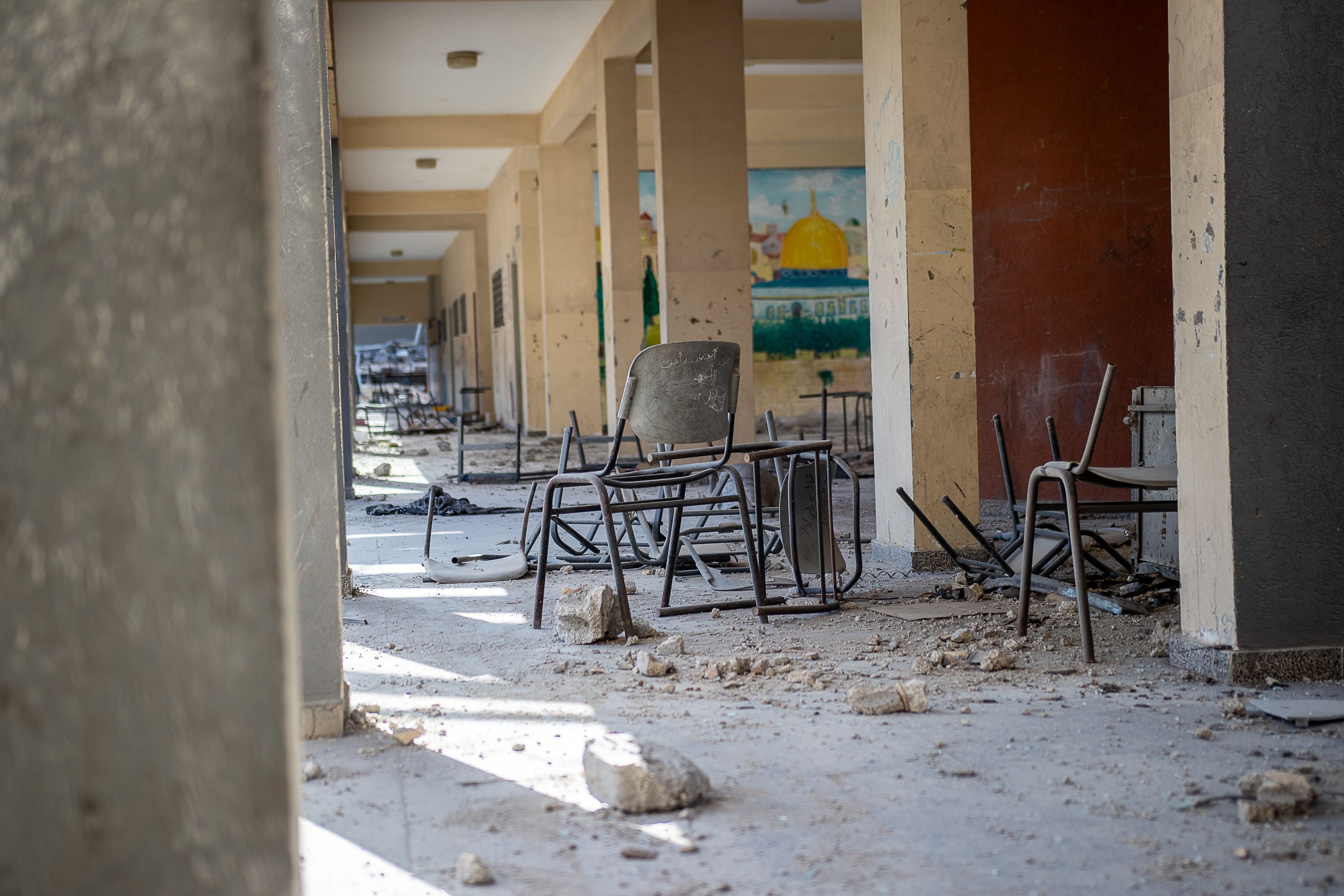
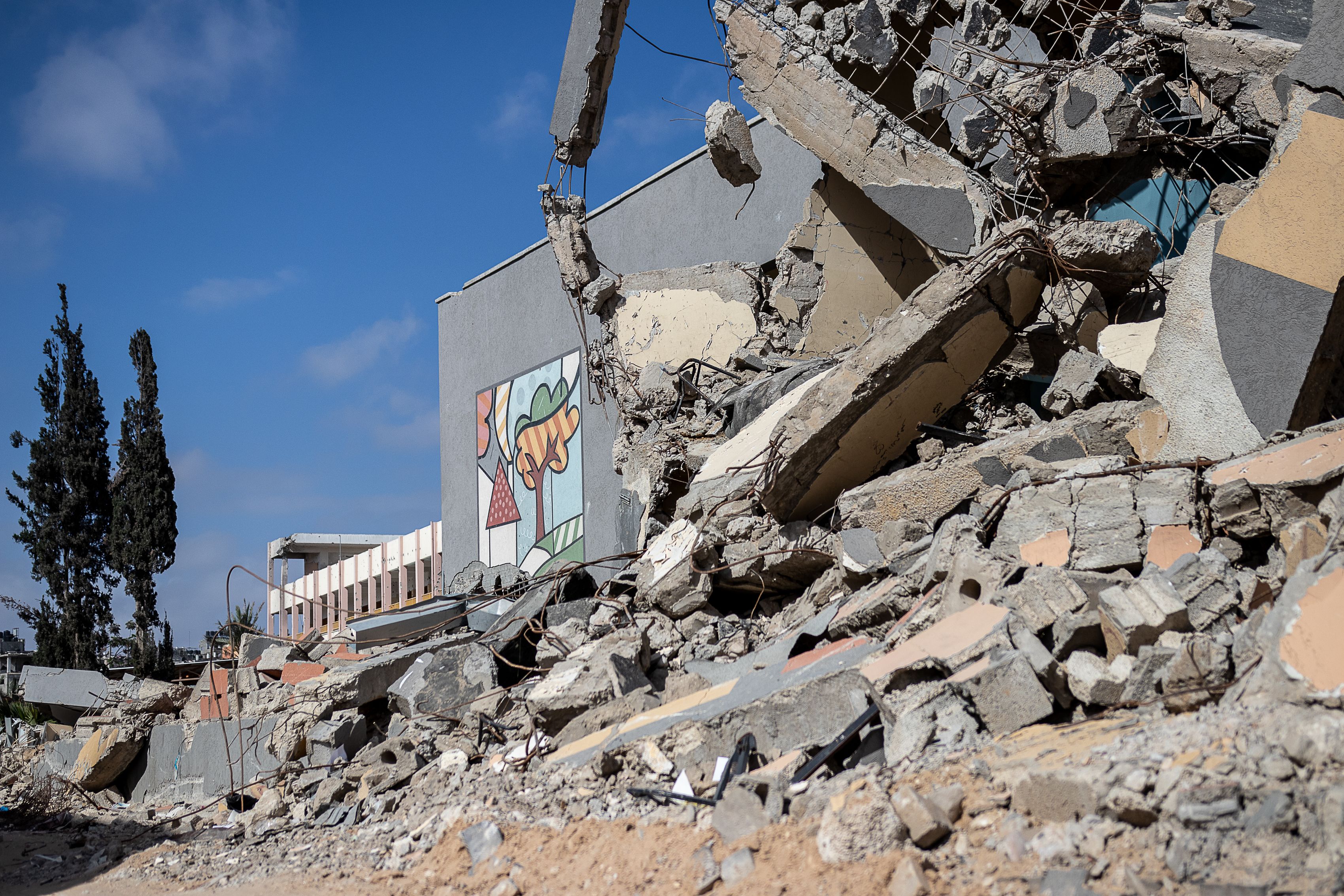
According to the Education Cluster, as of August 2025, 97% of schools sustained some level of damage to their buildings.
91.8% of school buildings in Gaza (518 out of 564) will need to be guaranteed safe from explosive contamination and undergo either full reconstruction or major rehabilitation work to be functional again, leaving an entire generation of children without access to learning.

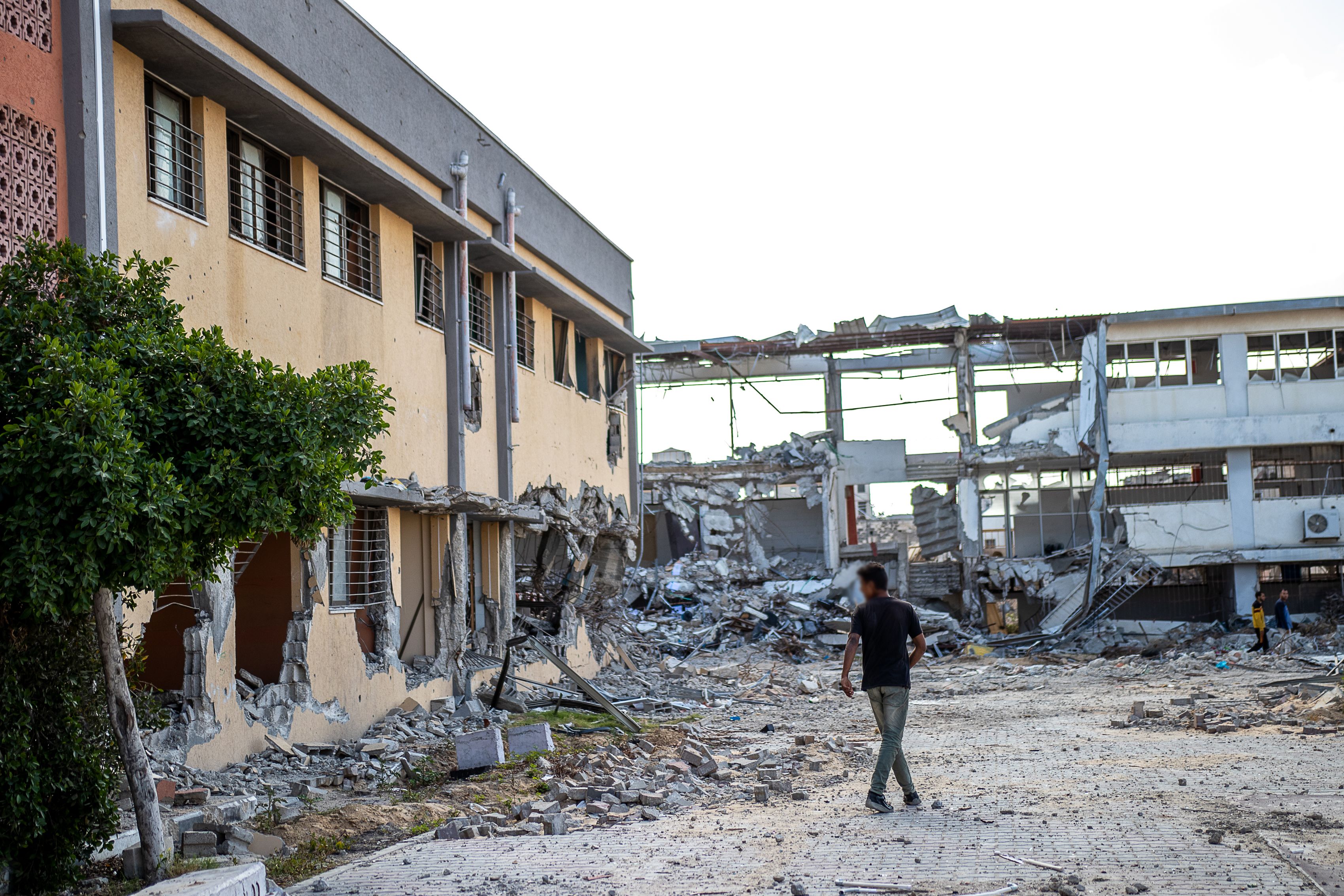
A severely damaged school in Khan Younis, Gaza. Photo: Sacha Myers / Save the Children
A severely damaged school in Khan Younis, Gaza. Photo: Sacha Myers / Save the Children
Israeli forces have regularly attacked schools sheltering Palestinian families through airstrikes, forced displacement orders and shelling. Schools are also being used by Israeli forces for military purposes.
Children's futures in Gaza are being stolen before they even begin
The United Nations Relief and Works Agency for Palestine Refugees in the Near East (UNRWA) and leading academics warned in September 2024 that if the war drags into 2026, Palestinian children could lose up to five years of education.
This, combined with the daily trauma they endure, risks creating a lost generation of permanently traumatised Palestinian youth.
Unless a lasting ceasefire is achieved, formal education is not likely to resume.
Children will continue to be denied not only their right to learn but also the safety, stability and hope that school provides, exposing them to greater risks of exploitation and abuse.
Every day a child is kept from the classroom, their wellbeing, future opportunities, and the future of Palestinian society itself are put at greater risk.
IN THE WEST BANK, CHILDREN CAN'T SAFELY ACCESS EDUCATION EITHER
YOUSEF*
Yousef* is a 14-year-old boy living with his mother Mariam* and their family in a neighbourhood in the West Bank.
Everyday life is overshadowed by military checkpoints and settler violence.
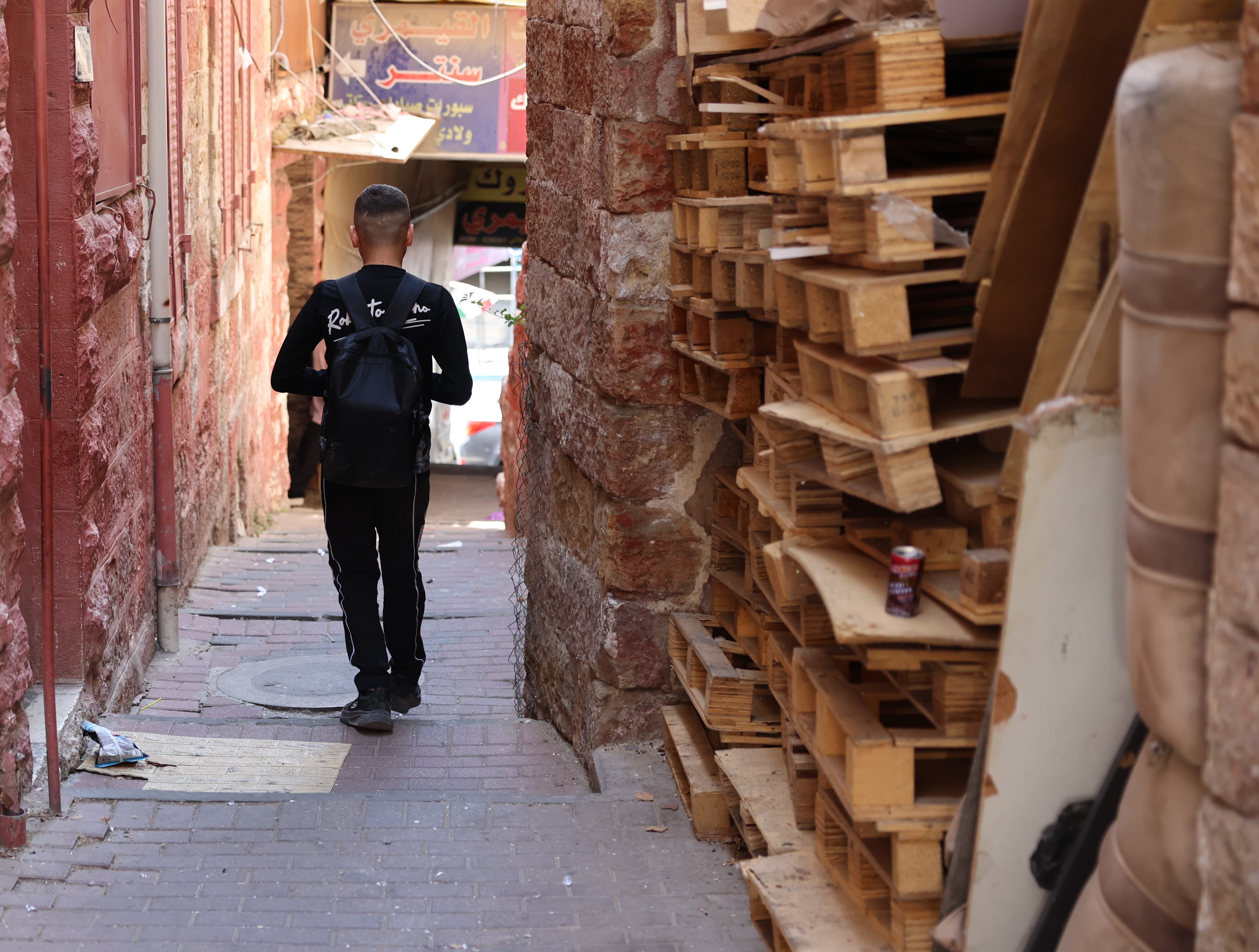
Despite his love for learning, Yousef’s* daily journey to school has become a source of fear and trauma. His route should only take 10 minutes but it includes three Israeli checkpoints.
Israeli soldiers often stop him and other children. They search, harass, and sometimes assault and detain them.
Soldiers at the checkpoints have forced Yousef* at gunpoint to deny his Palestinian identity, and say “Long live Israel,” while drawing the Star of David on his hand, as displayed on Israel’s flag.
Yousef’s* teachers and principal have been repeatedly beaten, detained and prevented from protecting students. School books have been confiscated from students, and they are forbidden from mentioning their Palestinian nationality.
But Yousef’s* experiences are not a one off, this is the reality for many children in the West Bank today.
MONA*
For Mona*, 12, fear and violence have disrupted her education and taken away the joy of simple childhood moments, like celebrating Eid.
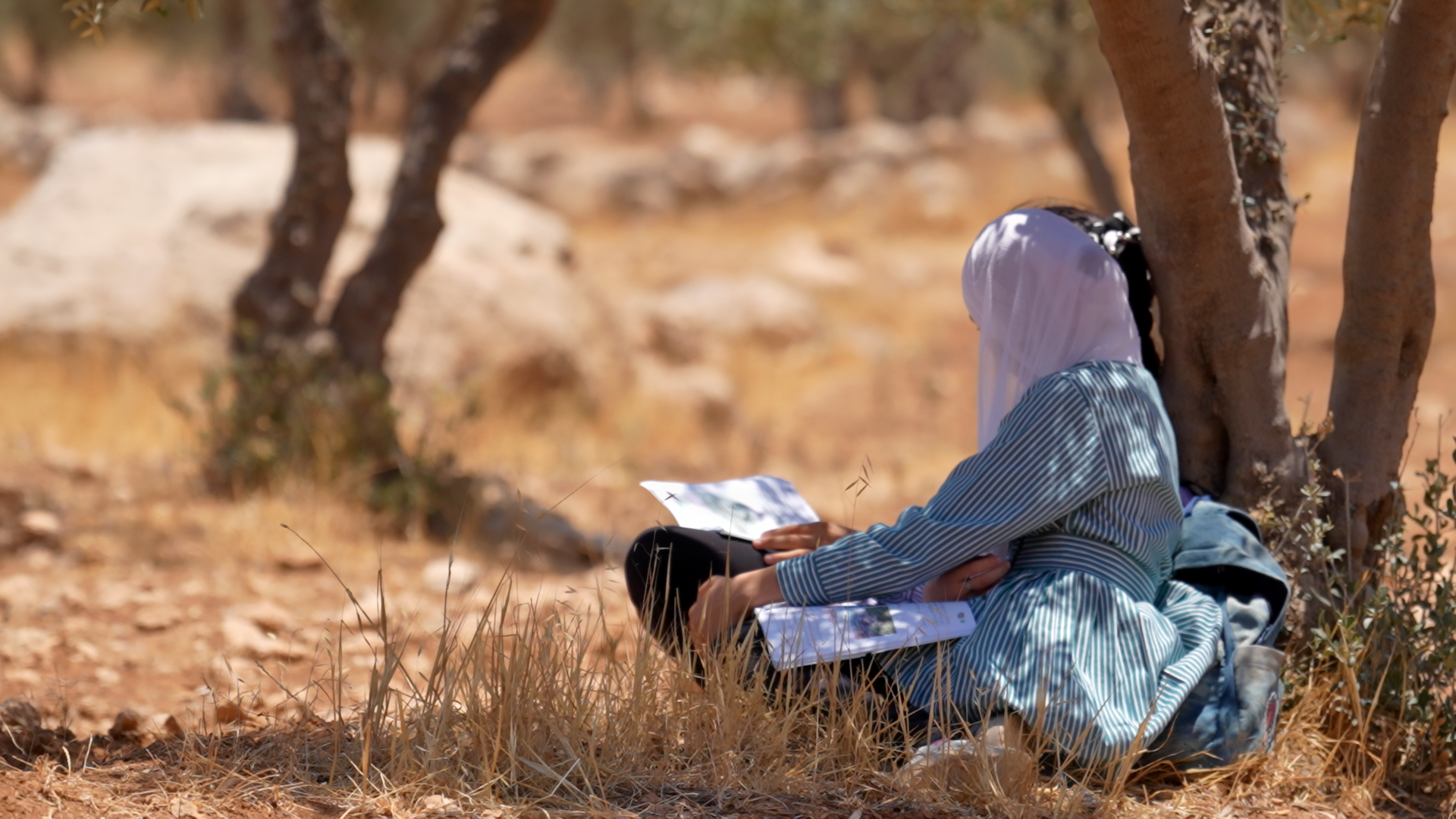
Mona*, 12 and her friend Fatma*, 13, sat under a tree with their school books. Photo: Save the Children.
Mona*, 12 and her friend Fatma*, 13, sat under a tree with their school books. Photo: Save the Children.
Mona* is afraid that her school will be demolished by Israeli forces, as she has already encountered settlers vandalising her school.
Settlers, they came at night and smashed everything in the school. Even some of the desks were broken. I saw everything thrown on the floor, including the posters. Torn and scattered on the floor, nothing was in its place."
Life changed, my grades dropped, and I couldn’t study anymore. When I try to study, I imagine them standing in front of the window.”
KAREEM*
Kareem* is a 16-year-old boy living in a rural village in the West Bank.
On his way to school, he is often harassed and sometimes attacked by settlers who have torn his schoolbooks and stolen his bag.
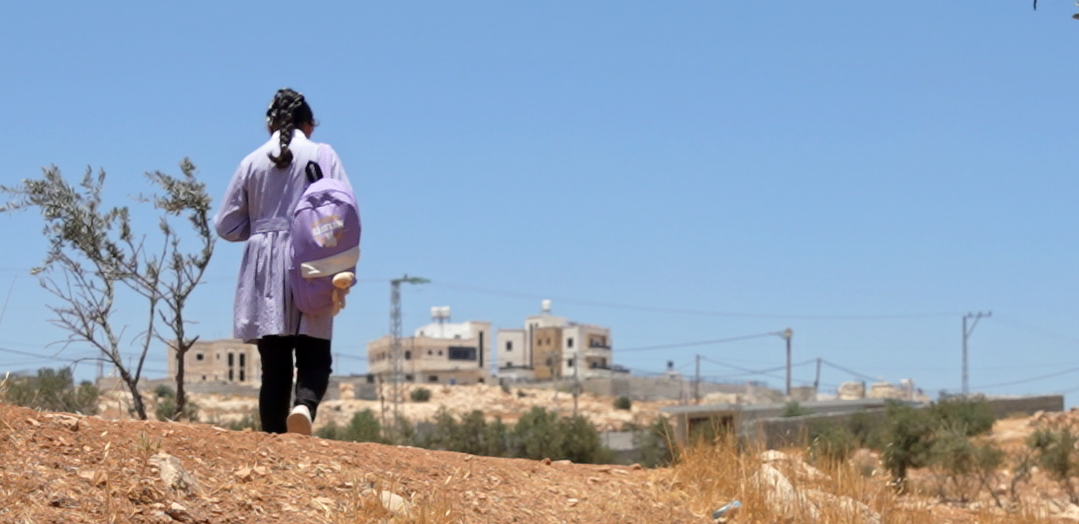
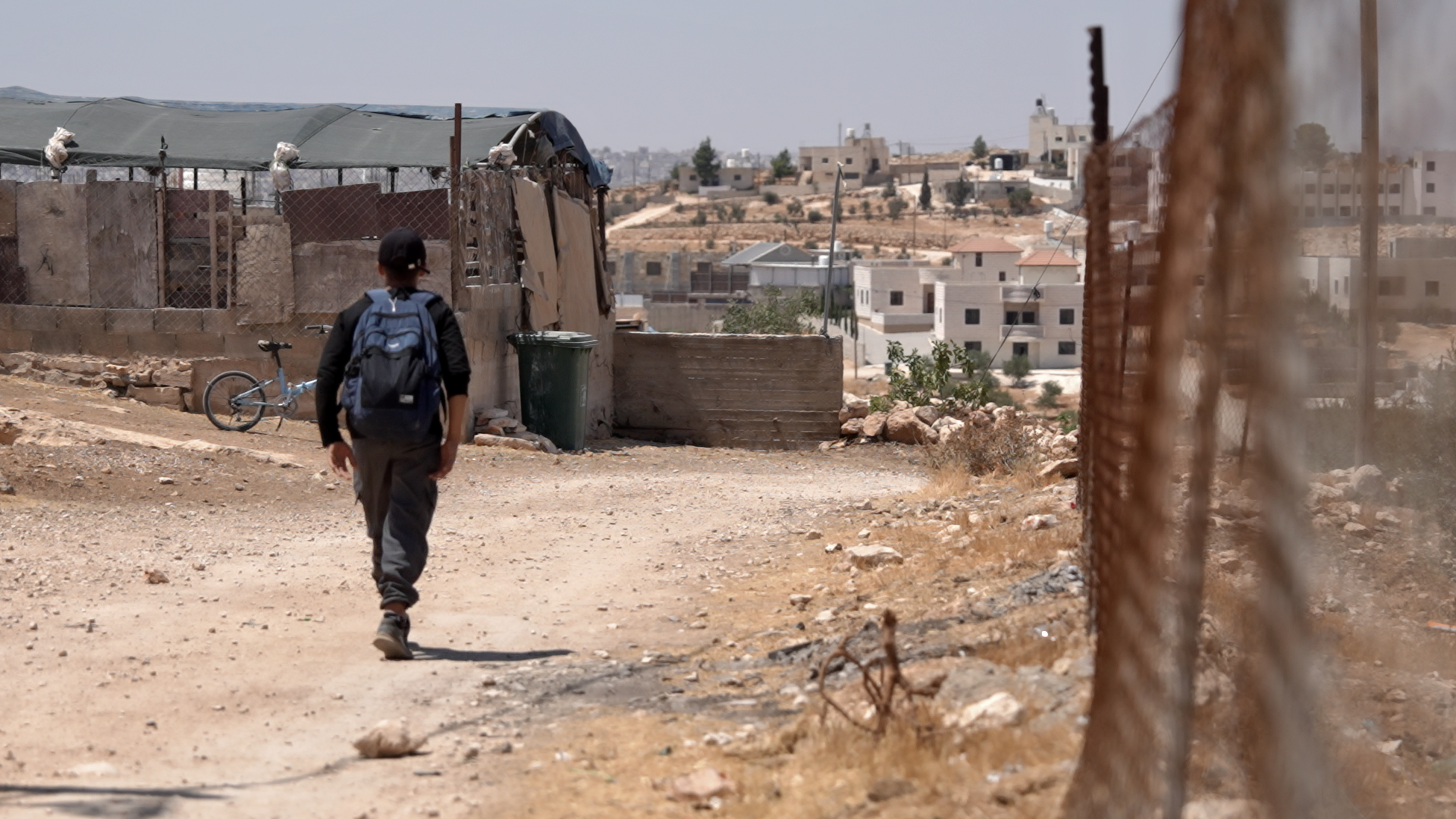
What was once an easy walk to class has become “the path of fear” as he describes it, forcing him to take long and difficult routes over hills.
It’s hard for me when I walk and encounter a settler shepherd on my way [to school]. He attacks and harasses me, even on the way back. Sometimes he hits me, takes my schoolbag, and tears up my textbooks. He leaves nothing.
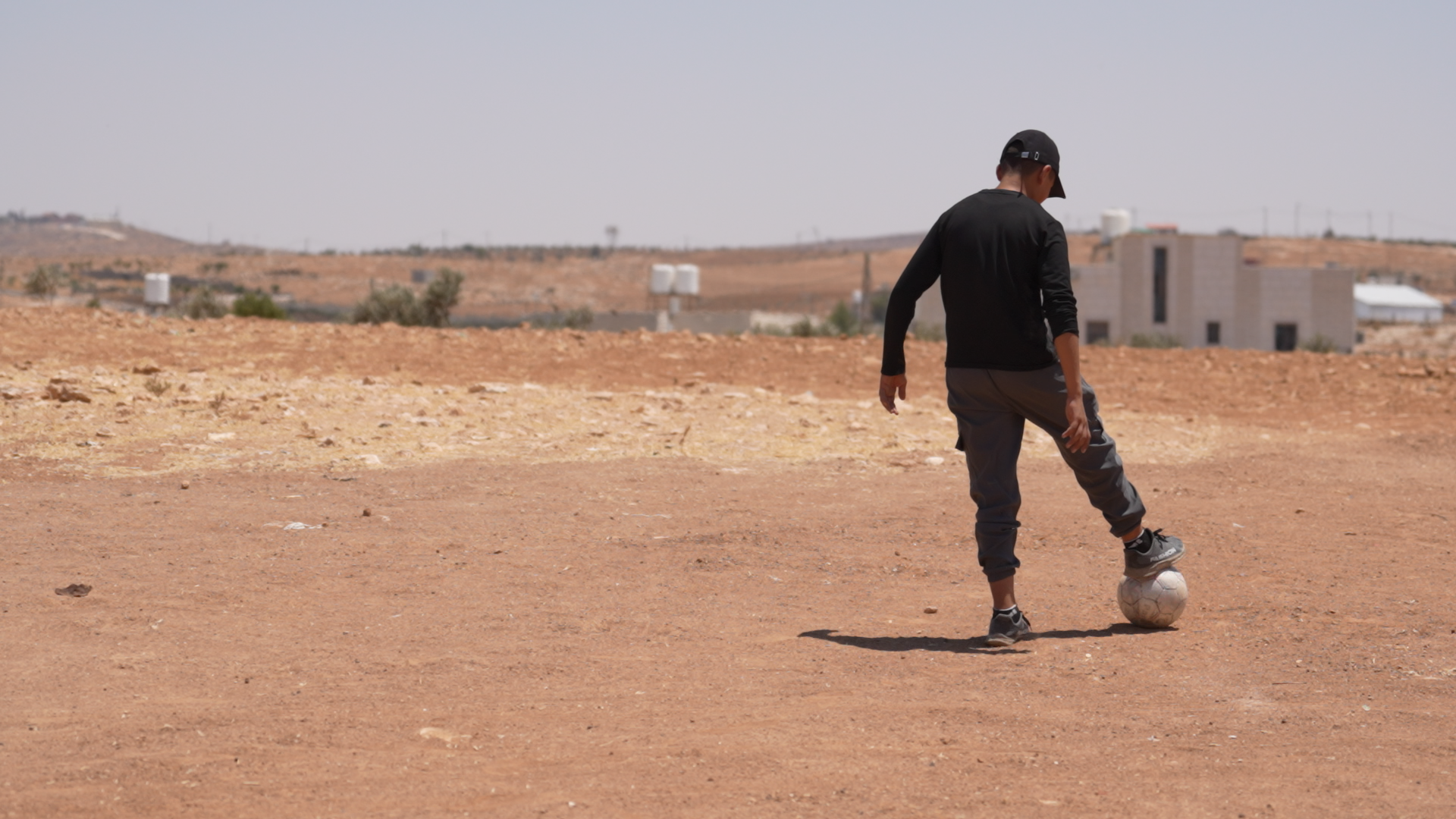
Kareem*, 16, plays football in his hometown in the West Bank. Photo: Save the Children.
Kareem*, 16, plays football in his hometown in the West Bank. Photo: Save the Children.
Despite living in such a hostile environment, Kareem* finds joy in playing football with his friends and remains determined to stay on his land.
You can help children like Yousef*, Kareem* and Mona* receive the education and support they deserve by donating today.
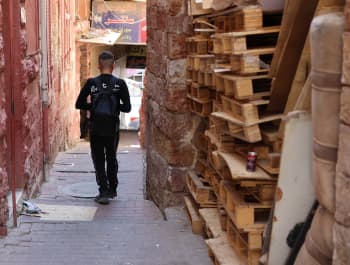
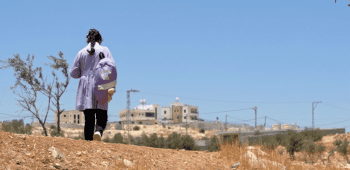
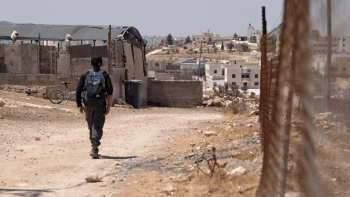




In the West Bank, Israeli forces military operations, settler violence, and access restrictions have caused massive disruptions to children’s right to education.
Long before the war in Gaza started, Israeli forces and settlers constantly raided schools, firing weapons and tear gas inside schools, detaining students and teachers, and harassing and delaying them on the way to school and back.
Since the start of the war, the West Bank has witnessed a serious spike in violence, including mass displacement, large scale demolitions of homes and entire communities, and the erection of new checkpoints restricting movement and access within the West Bank.
By creating new barriers and challenges for children, Israeli authorities have significantly worsened the education crisis in the West Bank, including East Jerusalem.
The Education Cluster recorded during the 2024-2025 school year:
- 2,040 education-related disruptions affecting 84,749 students, resulting in over 204,000 lost class minutes.
- 30 Palestinian students and one teacher have been killed by Israeli forces.
- Ongoing military and settler violence targeting schools injured 38 Palestinian students and 6 teachers,
- 72 students and one male teacher were detained from schools or while commuting to/from schools.
- 84 schools facing demolition orders and the closure of UNRWA schools in East Jerusalem
HOW WE ARE HELPING CHILDREN IN THE OCCUPIED PALESTINIAN TERRITORY KEEP ON LEARNING
Save the Children’s Education programme across the occupied Palestinian territory includes four main areas of focus:
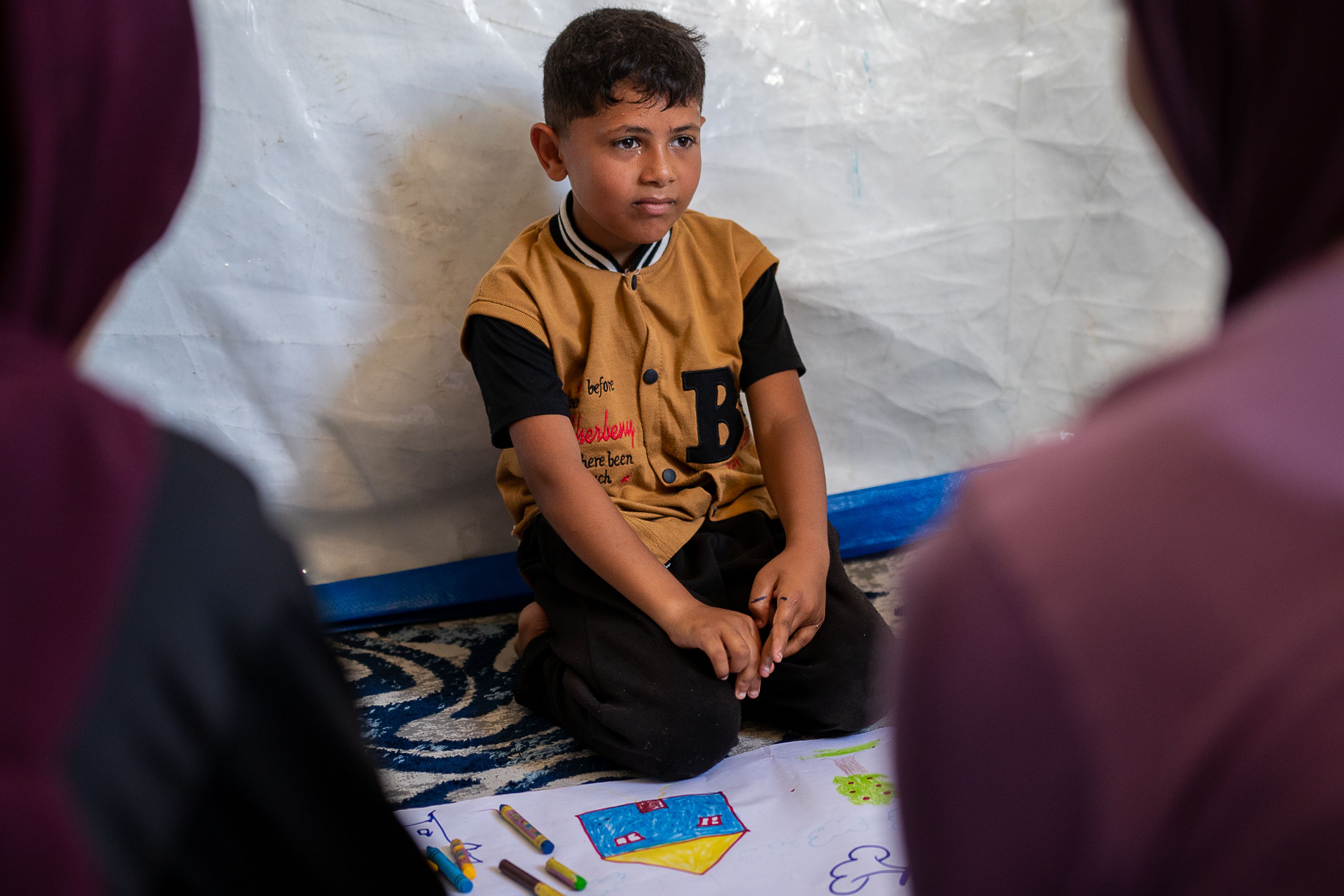
Shadi*, 8, attends one of Save the Children's learning spaces in Gaza. Sacha Myers/ Save the Children
Shadi*, 8, attends one of Save the Children's learning spaces in Gaza. Sacha Myers/ Save the Children
Education in Emergencies
Providing lifesaving learning, basic literacy and numeracy, and mental health and psychosocial support to children.
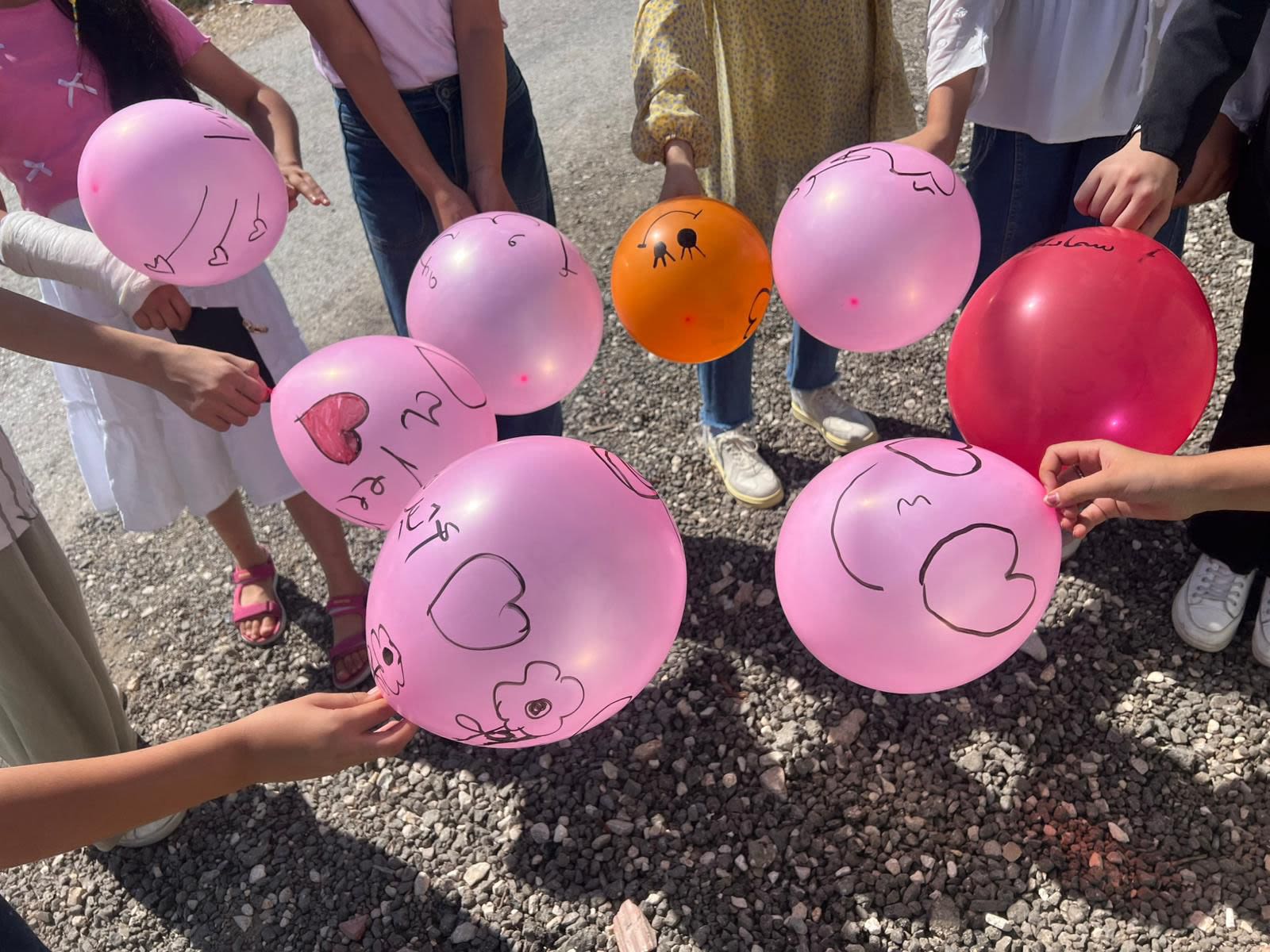
Children participating in education activities in the West Bank.
Children participating in education activities in the West Bank.
Early Childhood Care and Development
Supporting children aged 3 to 6 to gain the skills that they need to be ready to learn in a more formal environment.
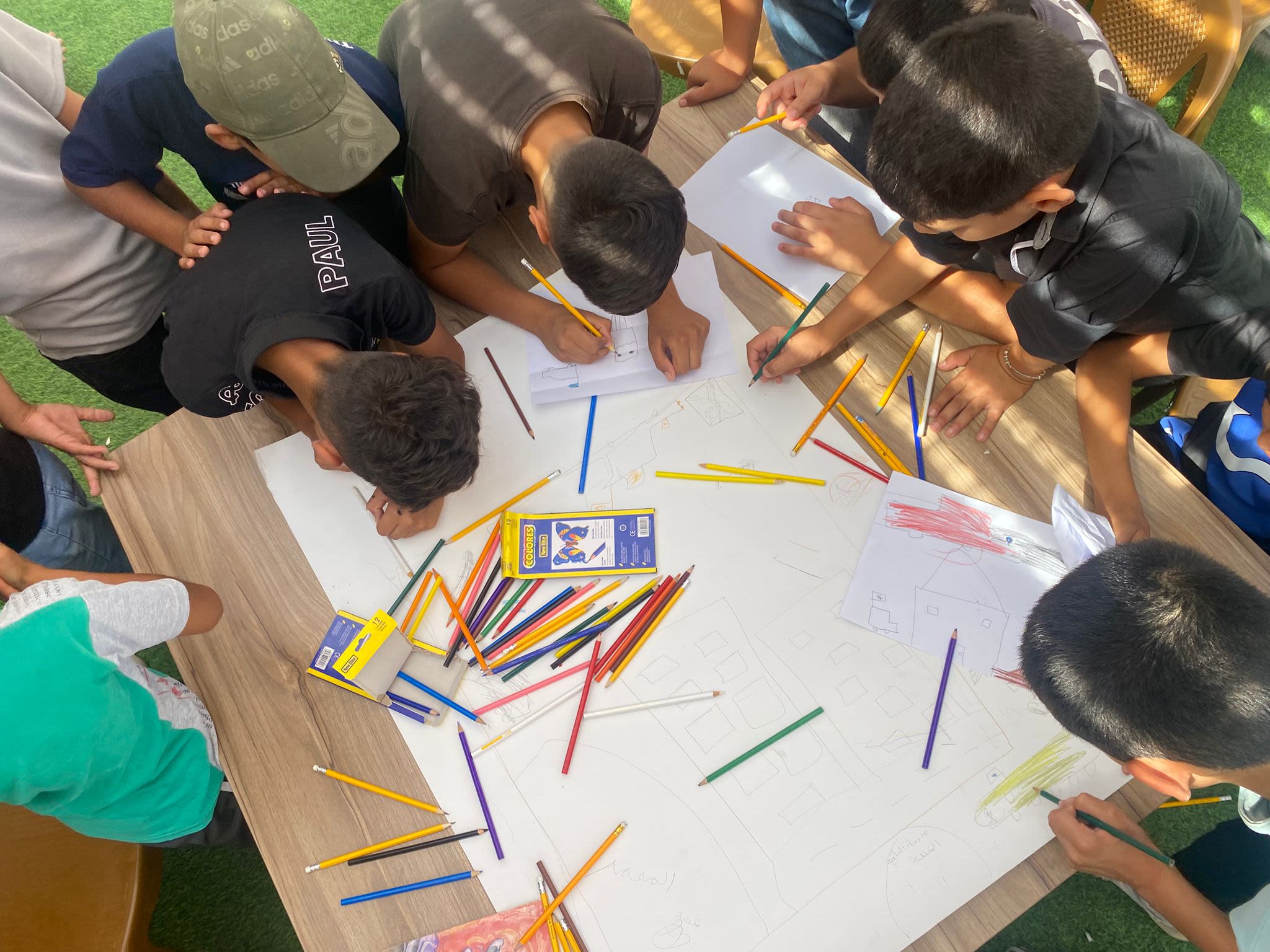
Children participating in education activities.
Children participating in education activities.
Basic Education
Supporting children aged 7 to 12 to gain the skills they need to succeed in education and in life.
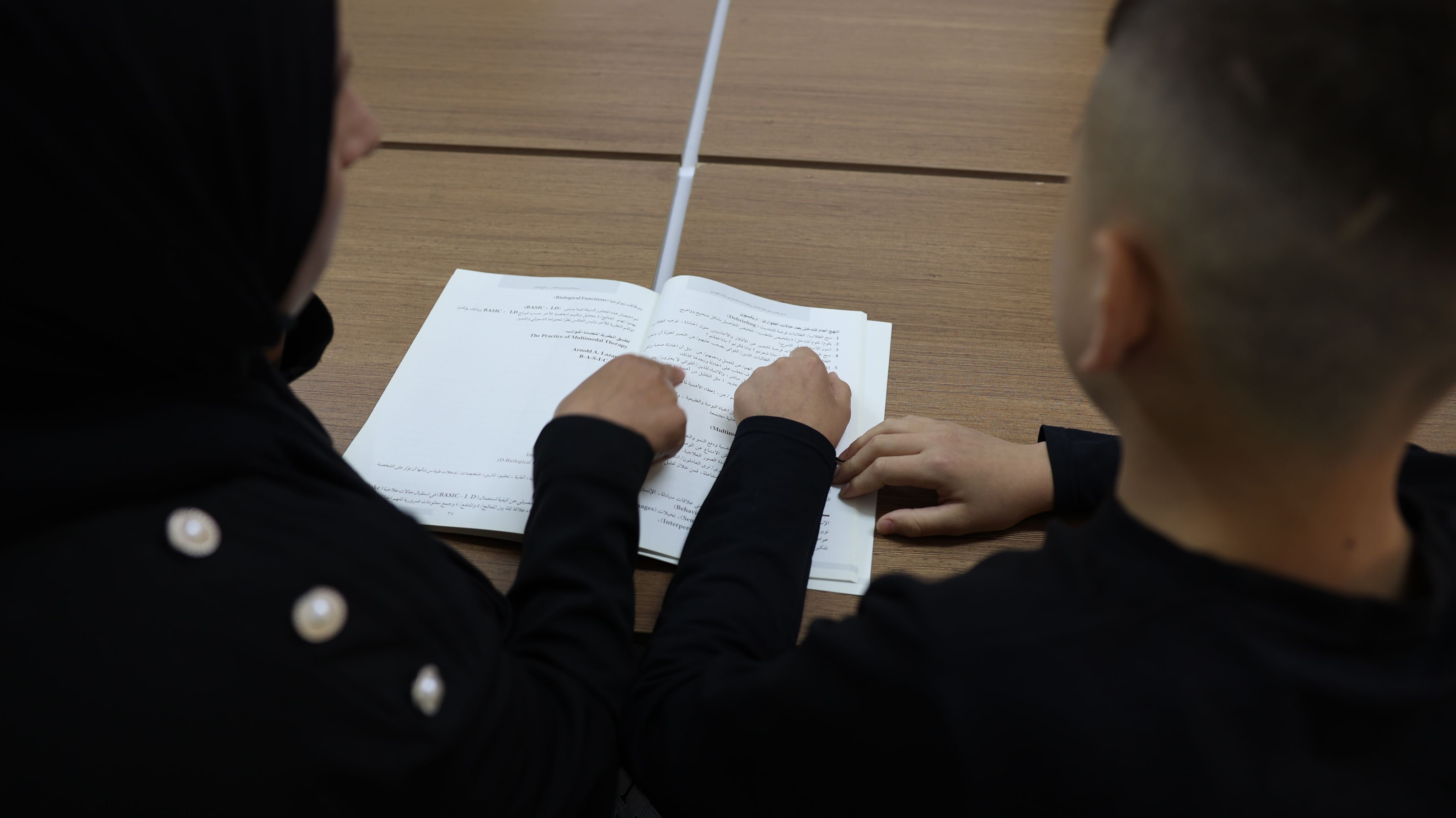
Yousef*, 14, reads a book with the help of his mum, Mariam*
Yousef*, 14, reads a book with the help of his mum, Mariam*
Community Learning
Supporting parents, caregivers, and the broader community to support children’s learning outside the classroom.
GAZA
We are keeping children connected to learning by establishing spaces where children receive play-based psychosocial support and participate in learning activities. These spaces help children enhance emotional self-regulation, and build resilience.
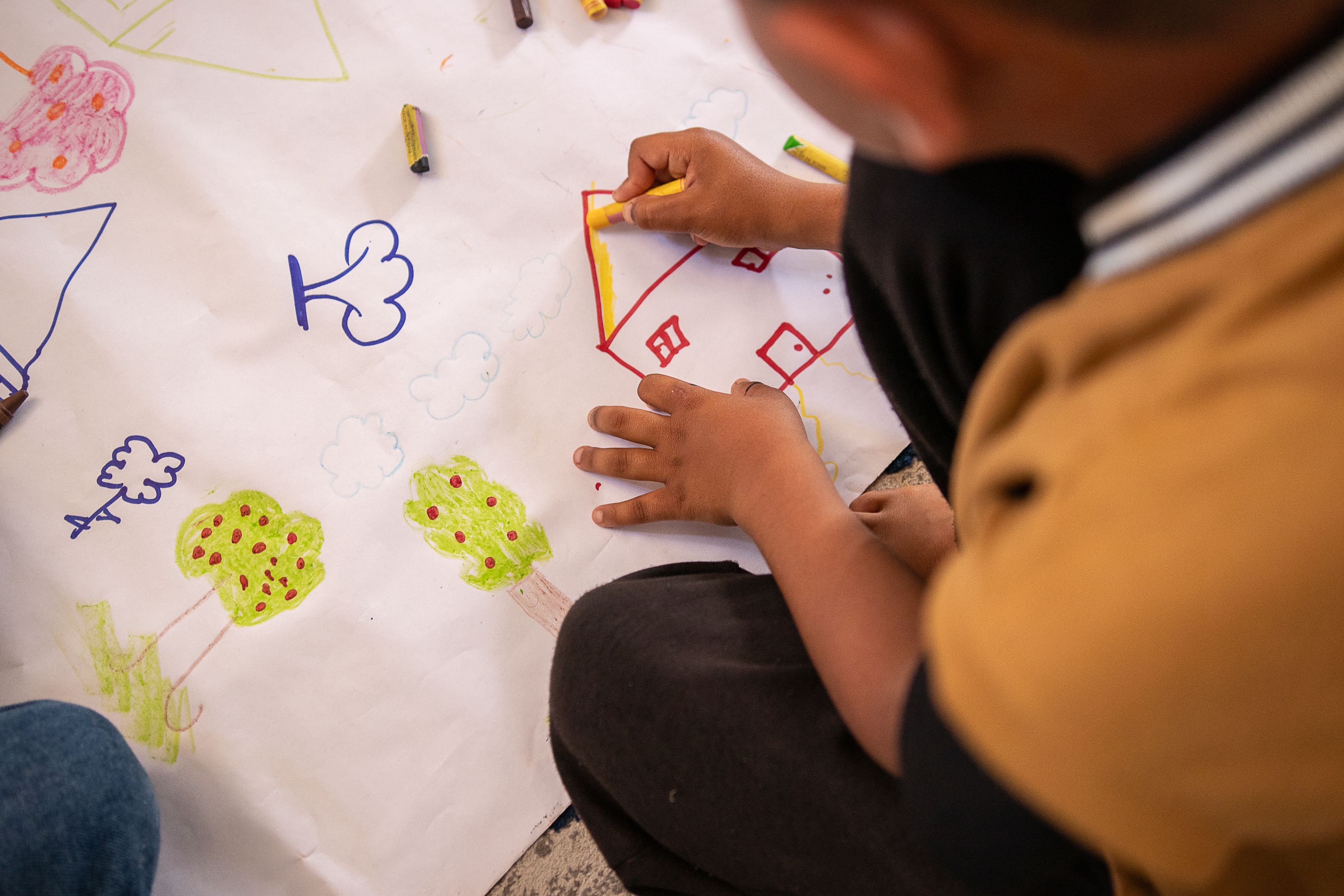
Shadi* (8) attend's Save the Children's learning space in Gaza. Photo: Sacha Myers / Save the Children
Shadi* (8) attend's Save the Children's learning space in Gaza. Photo: Sacha Myers / Save the Children
In these spaces we also provide child-friendly education and awareness raising sessions on topics such as explosive ordnance risk and health and nutrition, helping children develop life-saving knowledge while fostering a sense of normalcy.

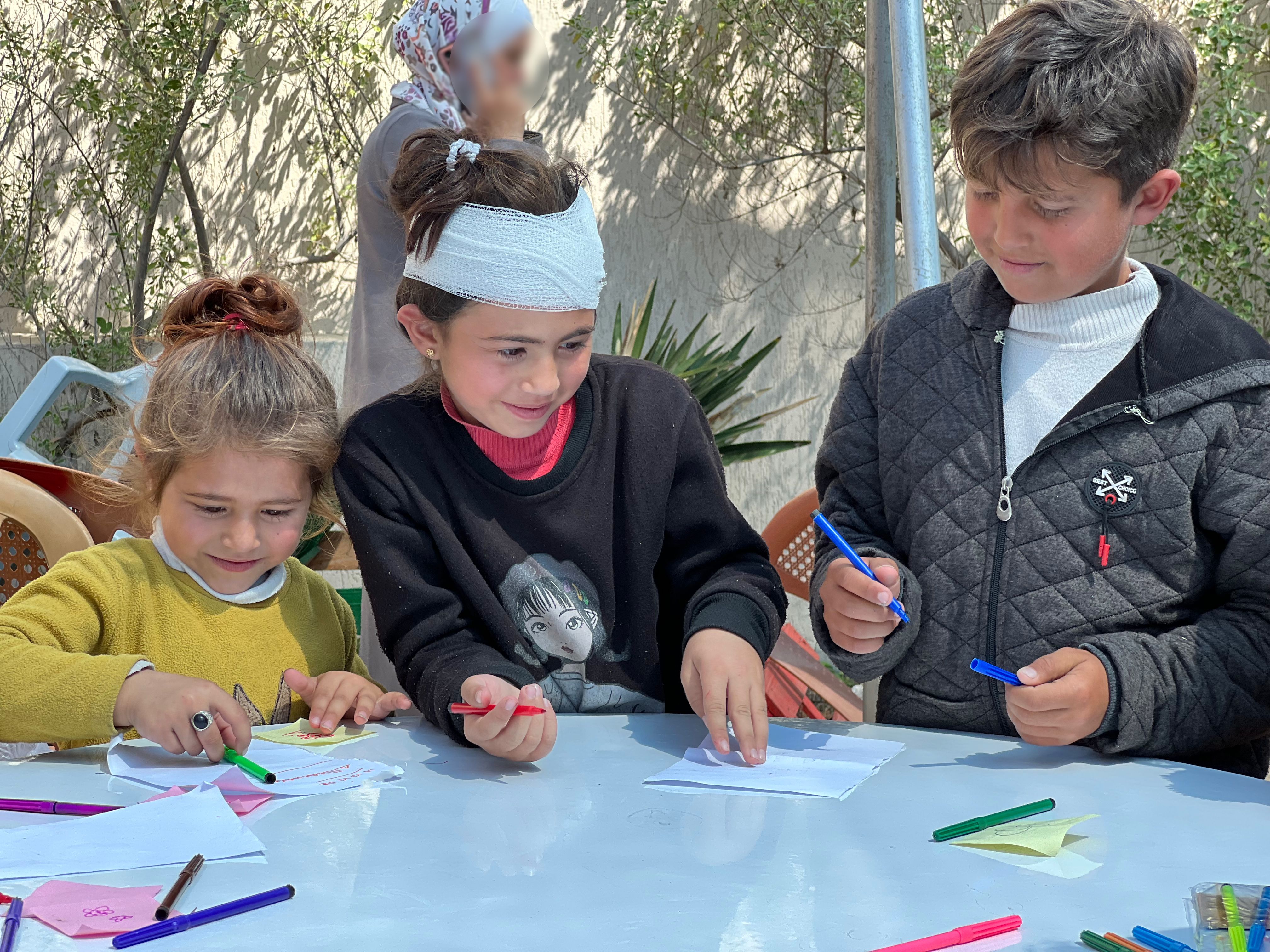
Dalia*, 9, with her siblings Eyad*, 12, and Noha*, 6, at a Save the Children Temporary Learning Space in Gaza. Photo: Shaima Al Obaidi/ Save the Children.
Dalia*, 9, with her siblings Eyad*, 12, and Noha*, 6, at a Save the Children Temporary Learning Space in Gaza. Photo: Shaima Al Obaidi/ Save the Children.
We are also supporting similar activities in community-led education initiatives, which have been set up by communities to meet the learning needs of their children.

THE WEST BANK
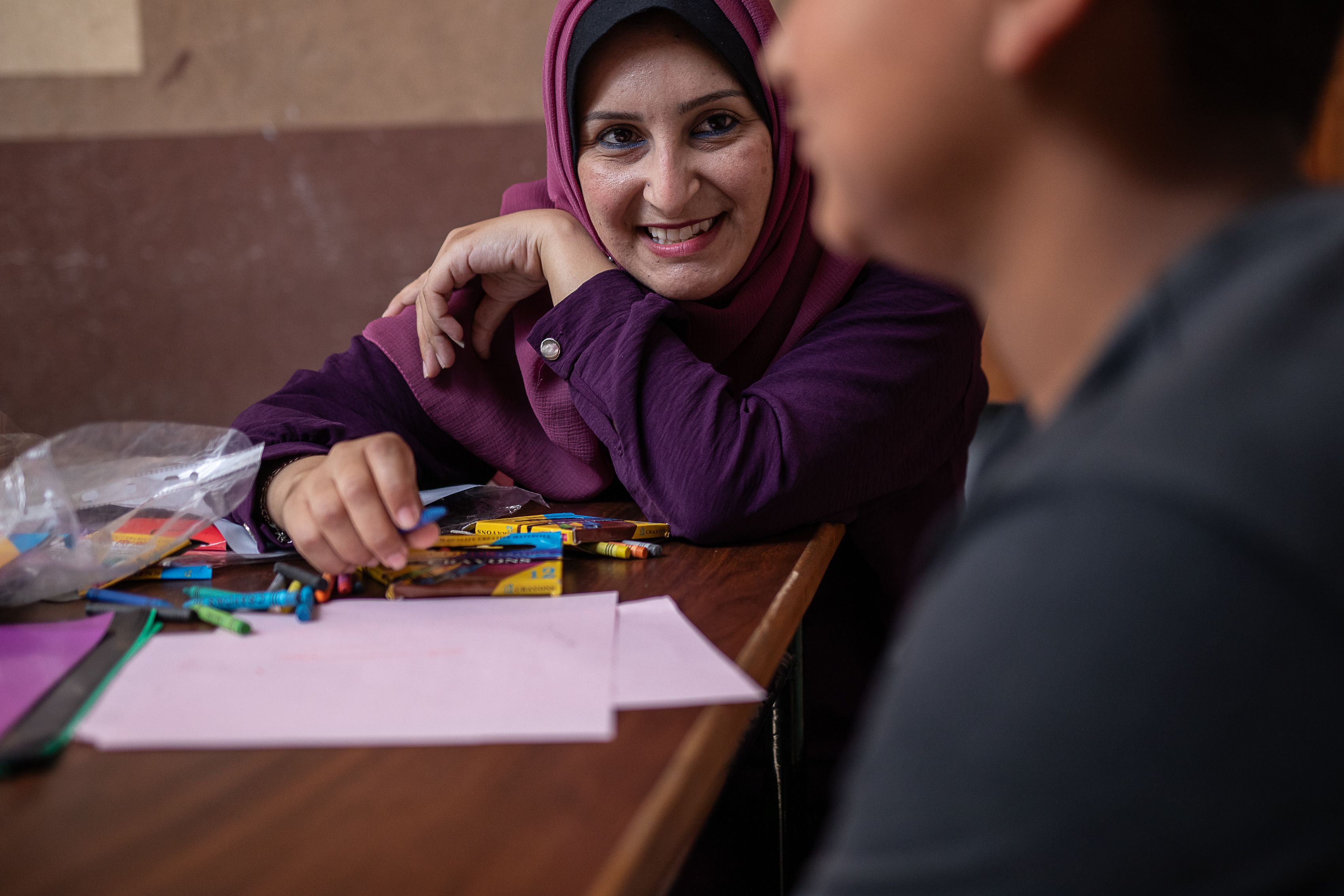
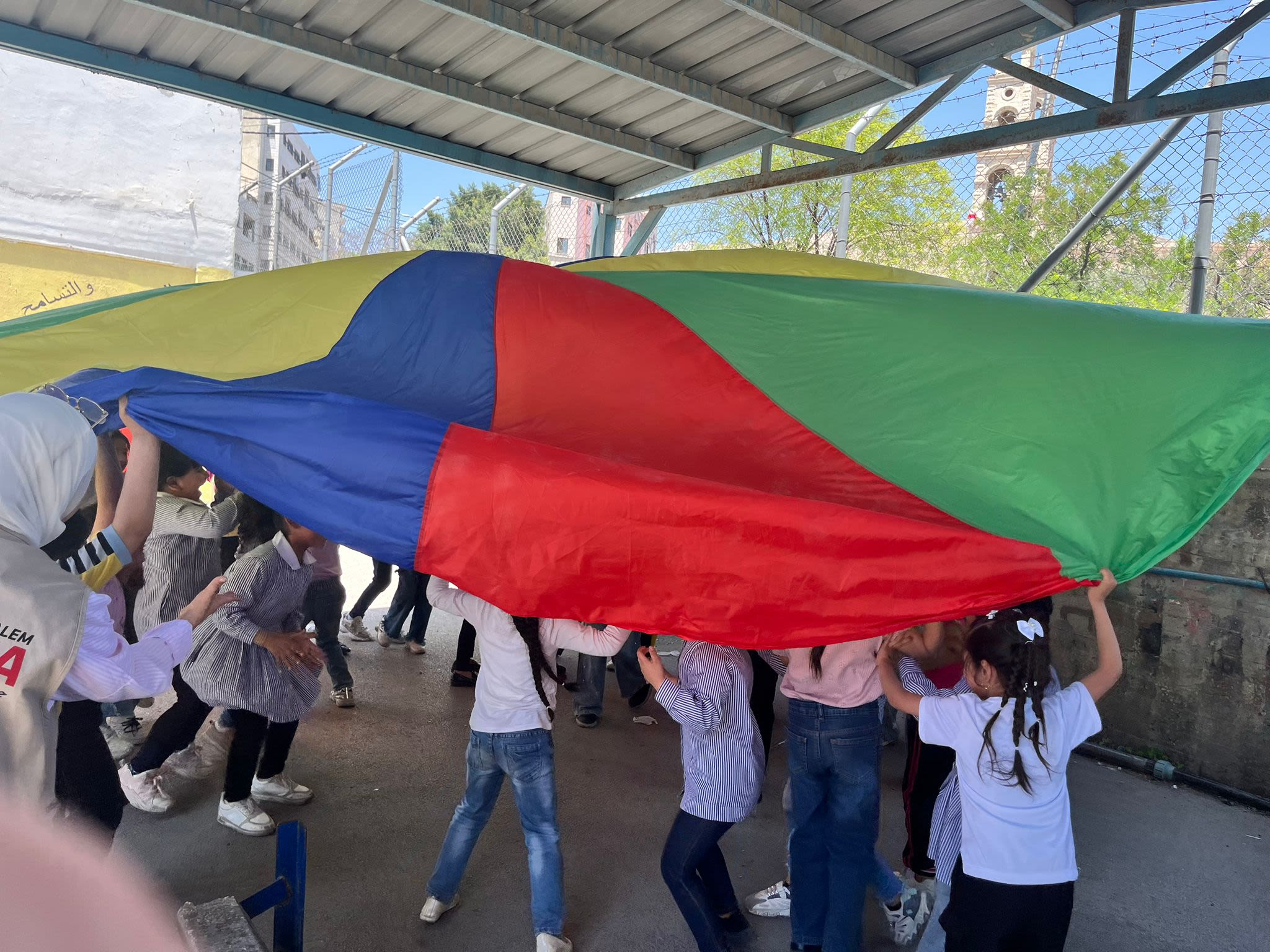
Meanwhile, in the West Bank, we are focusing on helping children aged 3 to 12.
Our early childhood education programmes support young learners through play-based and interactive learning methodologies, while also strengthening teachers’ competencies, improving learning environments, and enhancing parents’ knowledge to foster better at-home learning.

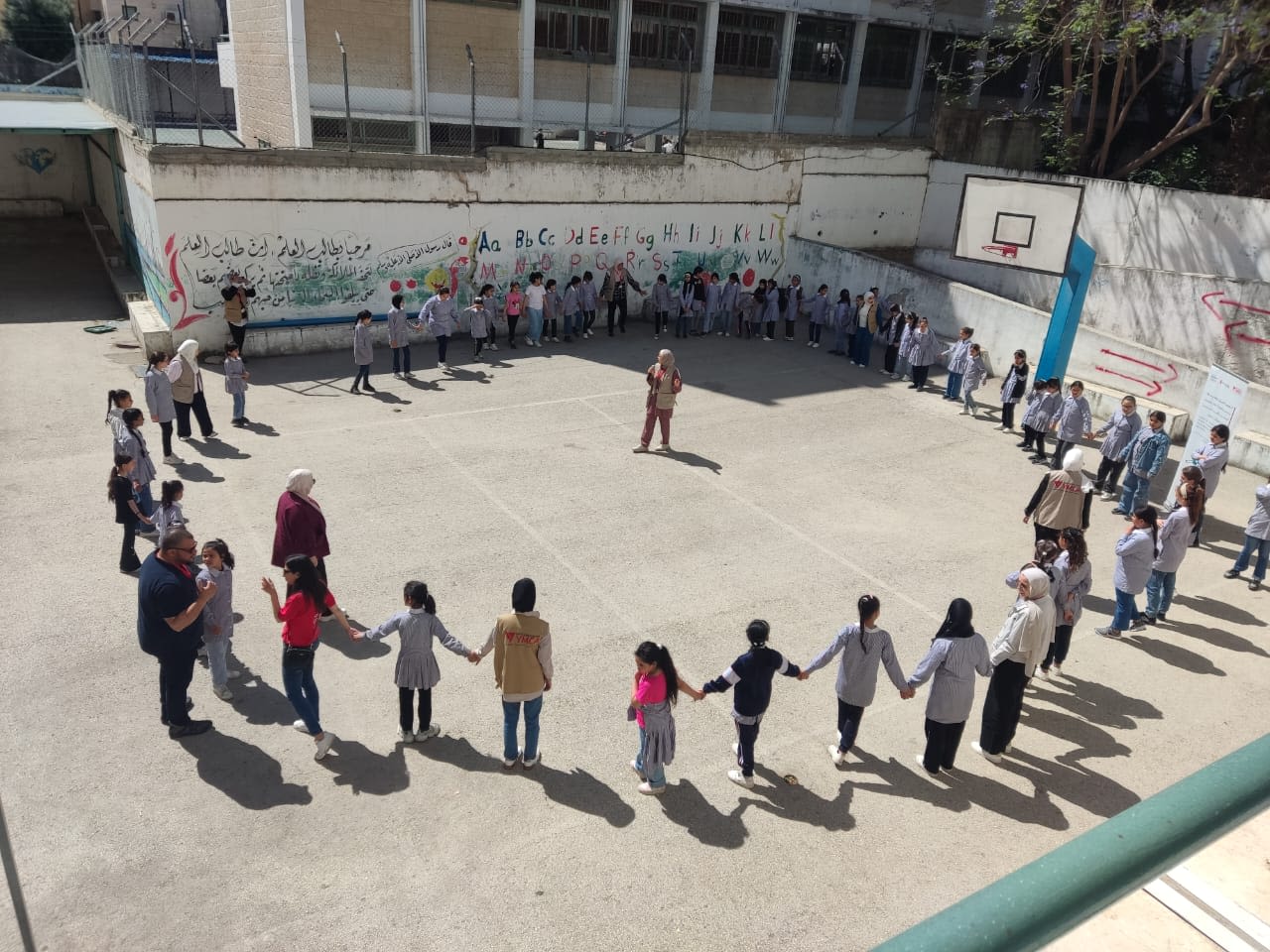
Children participating in MHPSS activities organised by Save the Children Partner in Nablus, the West Bank. Photo: Save the Children.
Children participating in MHPSS activities organised by Save the Children Partner in Nablus, the West Bank. Photo: Save the Children.
For children aged 6 to 12, we provide remedial education programmes integrated with social-emotional learning to address both academic and psychosocial needs.
Mariam, a project coordinator at the Tamer Institute for Community Education, told us about the impact Save the Children’s partnership with the institute is having in the West Bank by creating safe educational spaces for children aged 6 to 12 from Jenin, Tulkarem, and Nablus.
They [the children] feel this space is both safe and entertaining. Initially, parents were not very interested in the activities, but now they wish to meet with us to discuss and suggest new activities. We now develop activities based on their requests…We are creating a safe space for parents to express their opinions and needs"
Support our education work in the occupied Palestinian Territory and around the world to help children have the education they deserve.
OUR CALL FOR ACTION TO PROTECT CHILDREN'S RIGHT TO EDUCATION
I dream of becoming an engineer or a doctor so, I can have a well-known name and knowledge that benefits the world. My advice to everyone is: don’t be afraid, don’t give up, and stay strong. I dream that Palestine will be liberated and the war on Gaza will end and they will have food and never go hungry.”
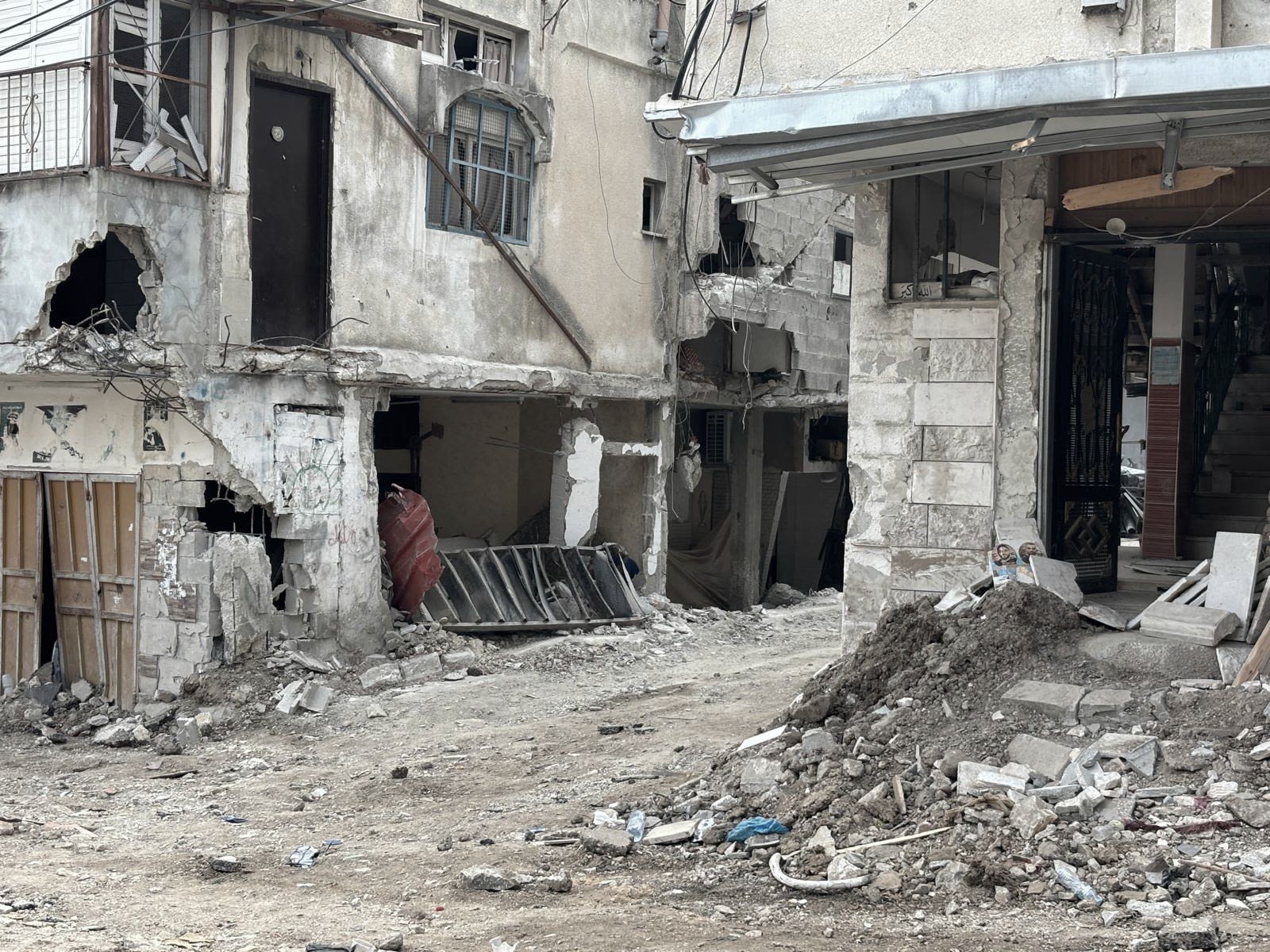
The Independent International Commission of Inquiry on the Occupied Palestinian Territory, including East Jerusalem, and Israel, has concluded that attacks by Israeli forces on educational, religious and cultural sites in the occupied Palestinian territory amount to war crimes and the crime against humanity of extermination.

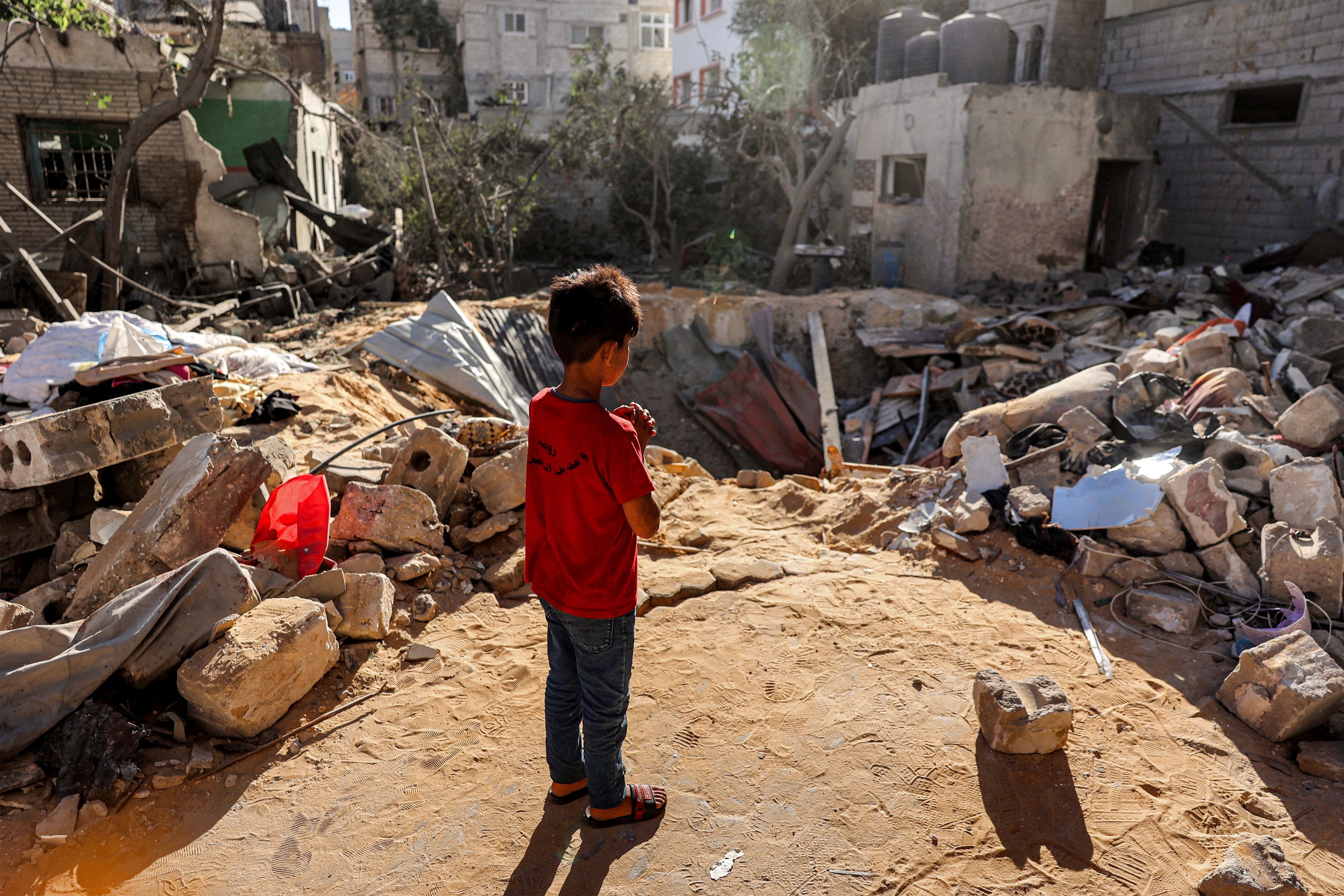
A boy stands before an impact crater at the site of a building that was hit by Israel bombardment in Rafah, Gaza. Photo: AFP via Getty Images
A boy stands before an impact crater at the site of a building that was hit by Israel bombardment in Rafah, Gaza. Photo: AFP via Getty Images
The Education Cluster considers the restrictions imposed on education in the occupied Palestinian territory by the Israeli authorities as part of a broader strategy to displace Palestinian communities and obstruct children’s access to safe education.
Schools and all places of learning must be inviolable safe spaces for children and educational staff. Palestinian children are entitled to the opportunity to go to school to learn and play, to grow up, and to have a future.
HOW YOU CAN HELP PROTECT CHILDREN'S RIGHT TO EDUCATION
Through 58 years of Israeli occupation, including 18 years of air, land and sea blockade on Gaza and the current war, the world has failed in guaranteeing them their rights.
- Together we can protect children and their education.
- Together we must call for an end to violence and including harassment against Palestinian children and their schools.
- Together we can save the future of Sara* 5, Mona* 12, Yousef* 14, Kareem* 16 and the other 2.39M Palestinian children who's right to education is at risk.
The international community must urgently play its role in pressuring the Government of Israel to cease attacks and violence against children, especially in or around schools.
Save the Children will continue to call for a definitive ceasefire in Gaza to ensure children can live in safety and go to school once again.

 Built with Shorthand