
THE CHILDREN'S EMERGENCY FUND
IMPACT AROUND THE WORLD IN 2025

LOOKING BACK AT 2025
In a year of catastrophic earthquakes, persistent conflict, more extreme weather events and unprecedented cuts to foreign aid, the Children’s Emergency Fund was more important than ever before.
The Children's Emergency Fund helped children wherever they needed it most – even if the news had moved on – enabling our teams and partners around the world to respond quickly after a disaster, sustain lifesaving services after aid cuts and support community recovery.
Thank you for supporting the Children’s Emergency Fund.
Read on to learn about the impact we had together for children in 2025.

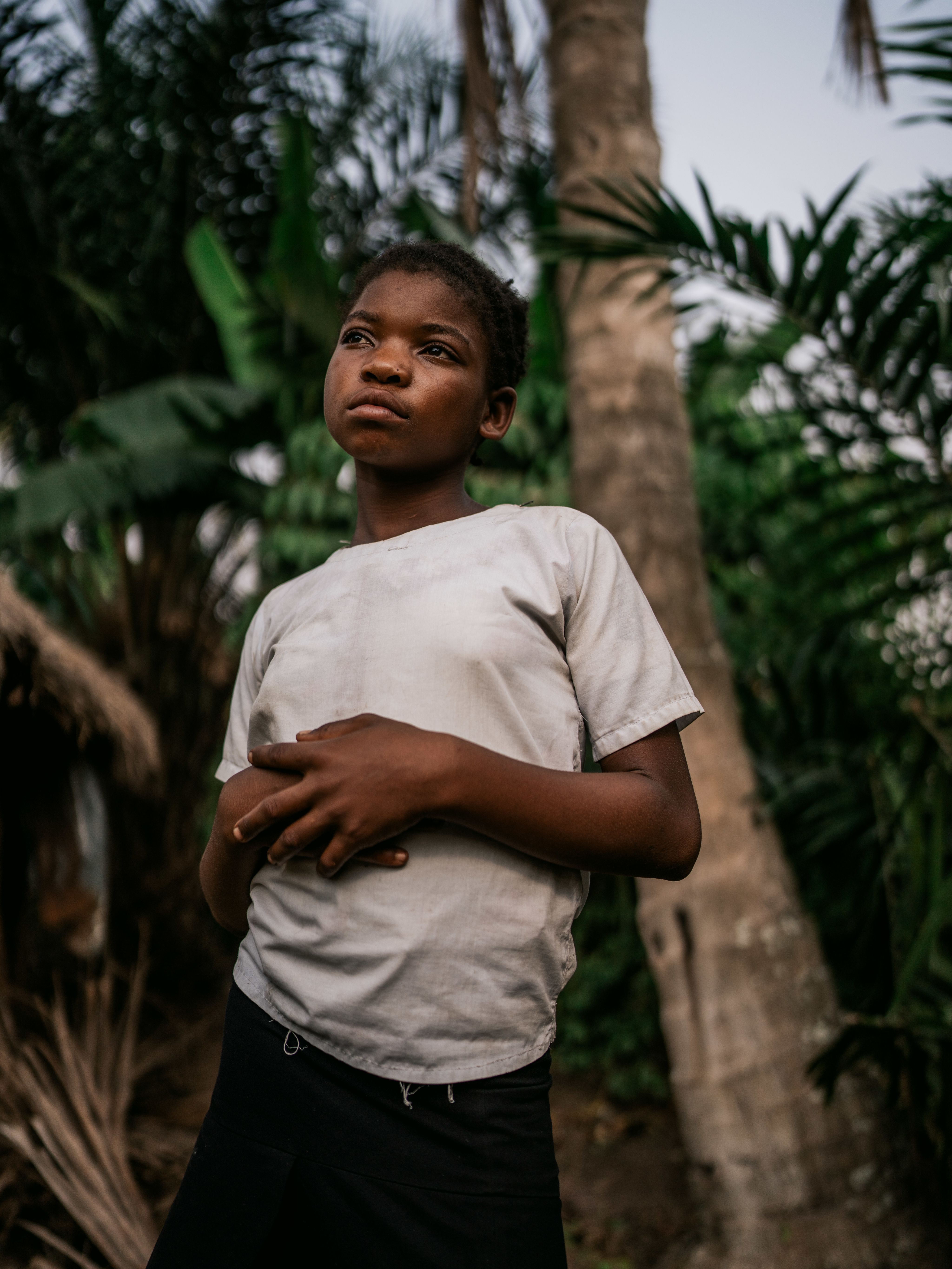
Adel, age 13, in Kasai, DRC.
WITH YOUR SUPPORT, WE RAISED $75.5 MILLION FOR THE CHILDREN'S EMERGENCY FUND IN 2025

FUNDS WERE ALLOCATED TO RESPOND TO EMERGENCIES IN 61 COUNTRIES


Funds were released quickly

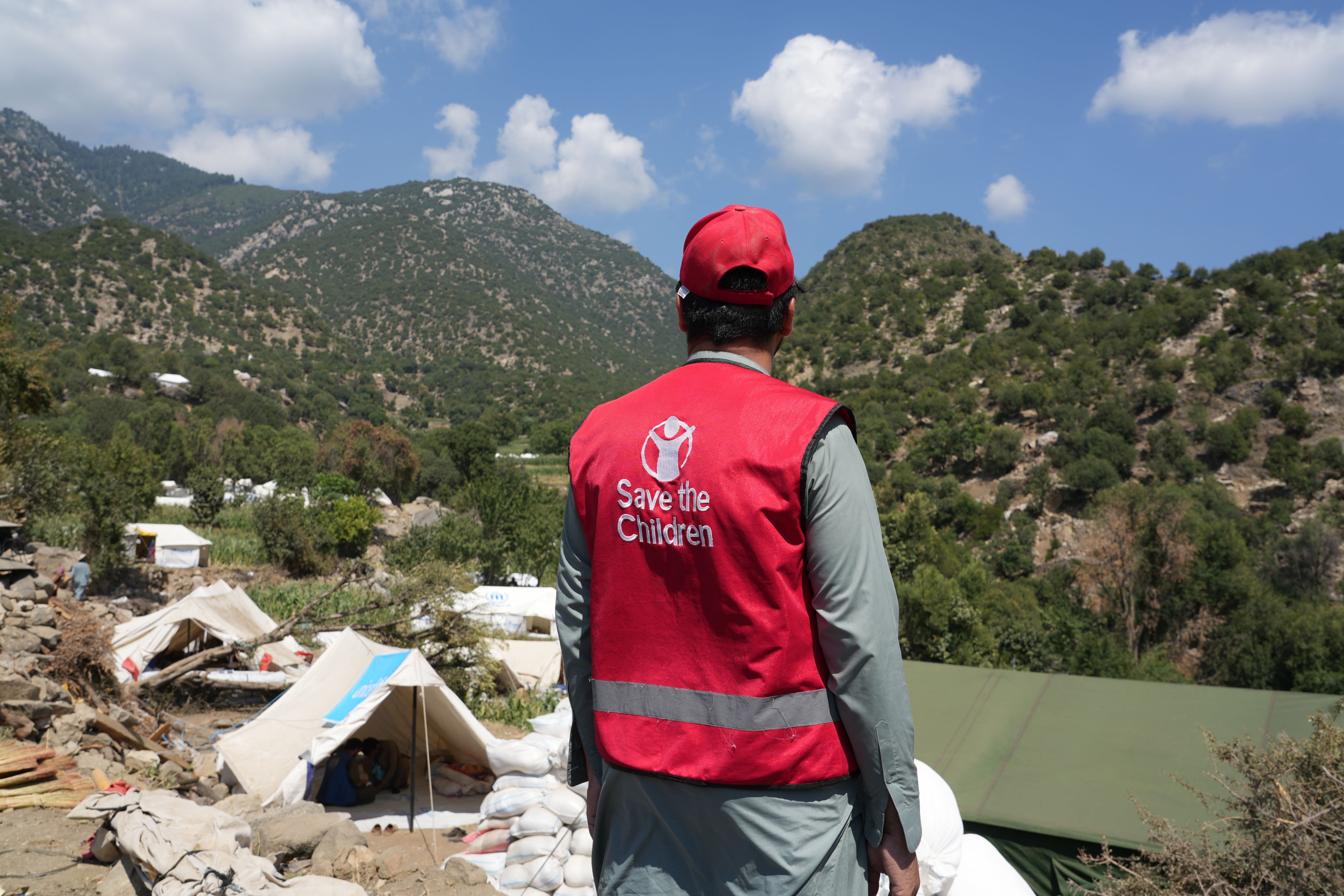
22%
of funding decisions
in 48 hours
Photo: Save the Children staff in Afghanistan.


Funds helped to save lives

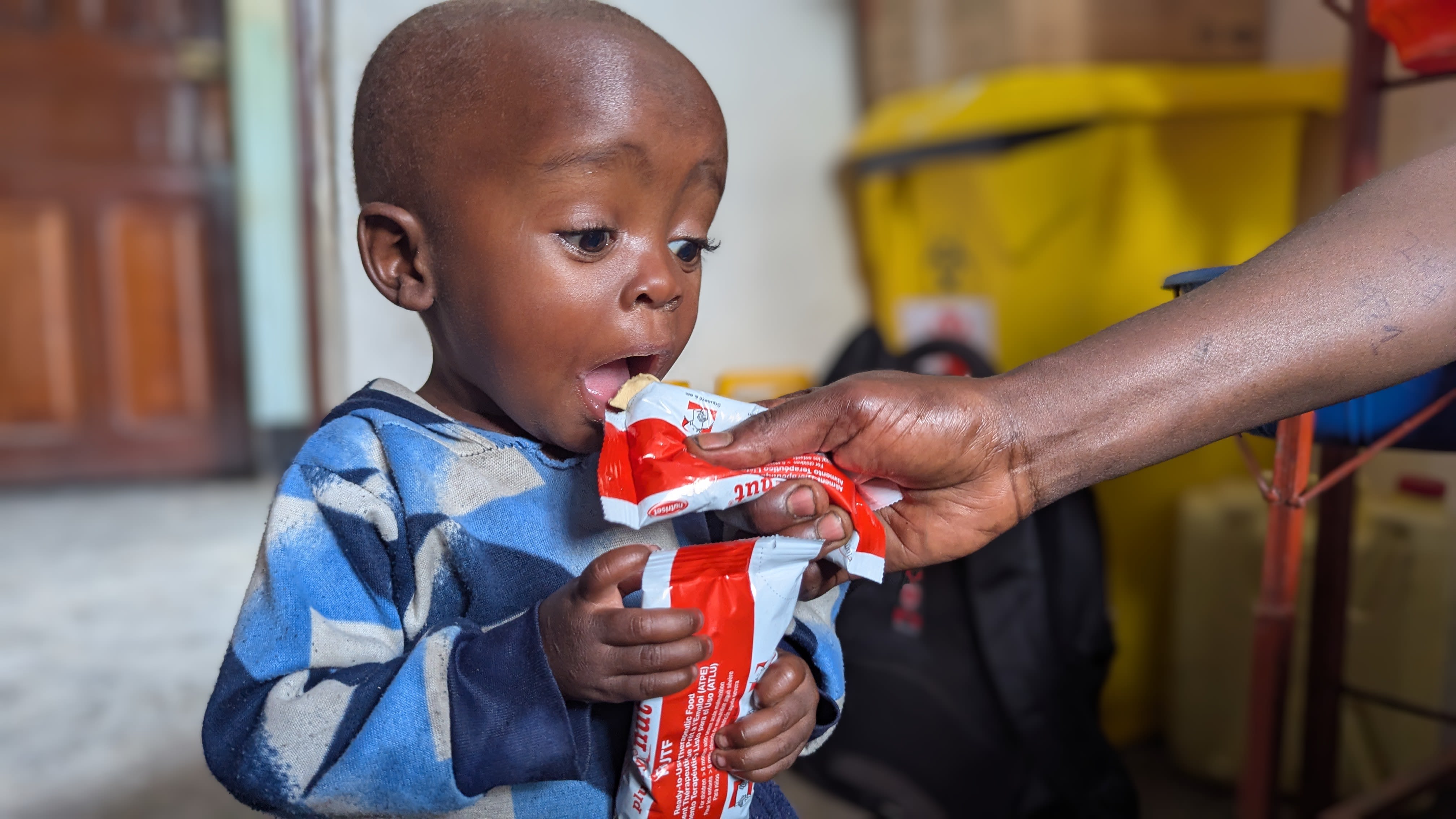
20%
of funds to 36 countries to sustain lifesaving programmes after
global aid cuts
Photo: Julienne, age 2, receiving treatment for
malnutrition in DRC.


Funds went to local partners

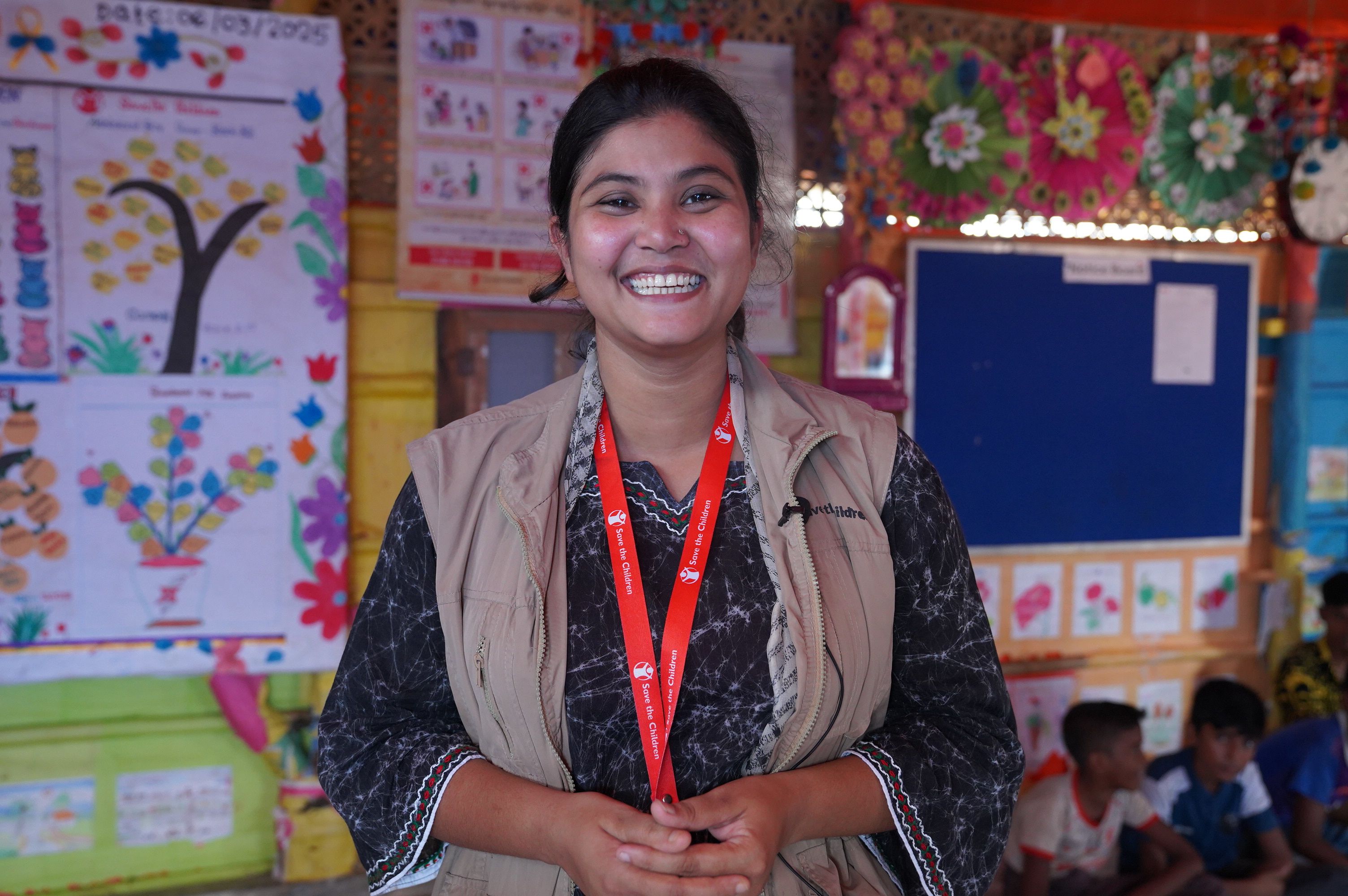
16%
of funds to
local partners
in 33 countries
Photo: A local caseworker in Banlgadesh.


Funds helped prepare for future crises

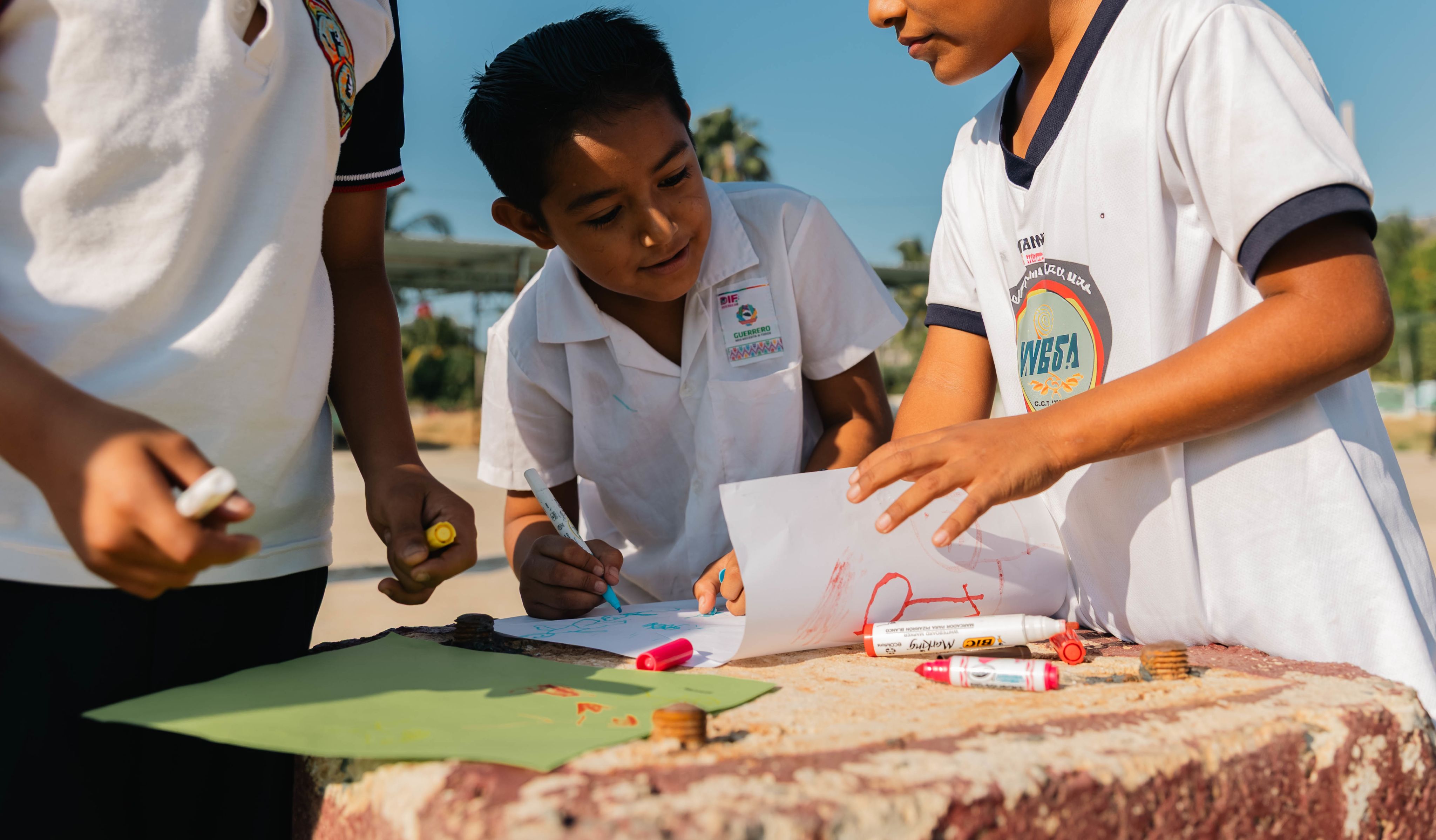
10%
of funds to anticipatory action and preparedness in
37 countries
Photo: Children drawing school risk maps in Mexico
TOGETHER WE HELPED MORE THAN 26.3 MILLION PEOPLE, INCLUDING 14.2 MILLION CHILDREN, IN CRISES AROUND THE GLOBE

EXPLORE OUR IMPACT TOGETHER AROUND THE WORLD IN 2025
JANUARY
Global aid cuts
When global aid cuts put lifesaving services for children at risk, the Children's Emergency Fund provided $7 million to 36 countries throughout the year to keep essential services running.
This included treating children for malnutrition with lifesaving peanut paste, also known as Ready-to-Use Therapeutic Food (RUTF).
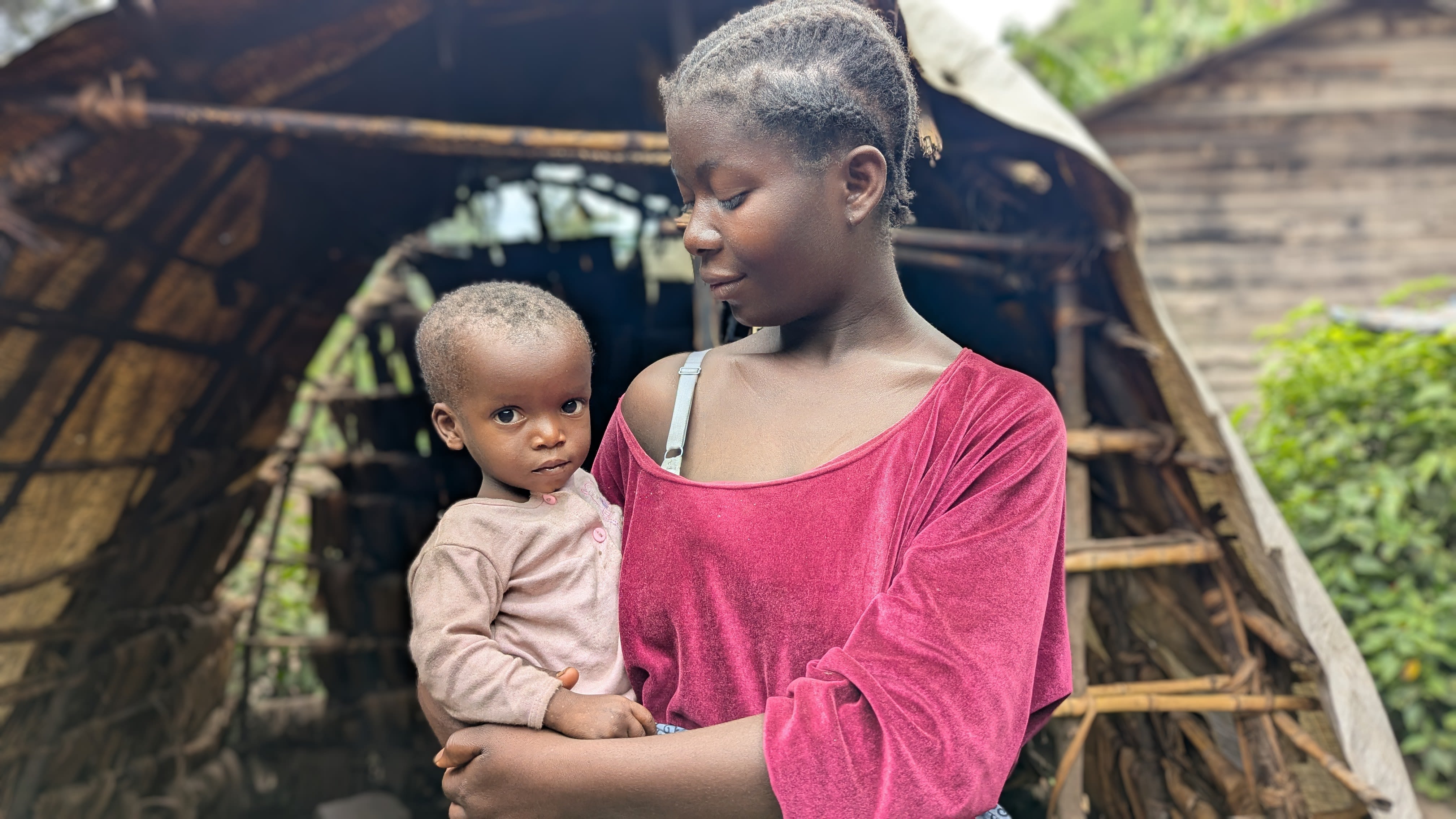
Photo: Agaie*, age 2, received treatment for malnutrition for free at a Save the Children partner clinic in North Kivu, DRC.
FEBRUARY
Urgent needs in Syria
We had no choice but to leave our home. I had to leave behind everything – my toys, my clothes, all the things I loved."
Amal* and her family were forced to flee violence in Aleppo to a camp in Northeast Syria. When they arrived, we made sure they had safe shelter, warm blankets, food and hygiene essentials.
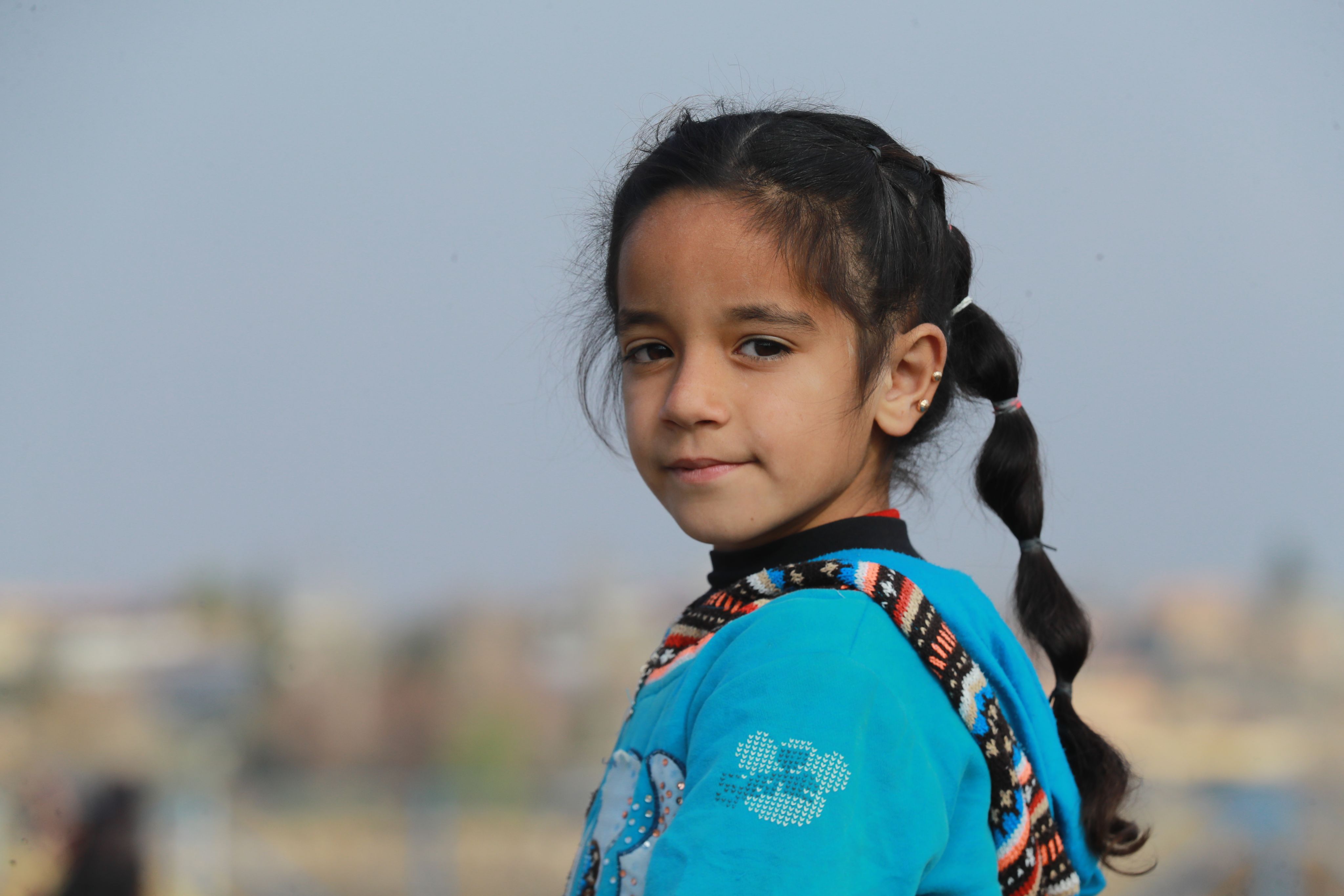
Photo: Amal*, age 8, at a camp in Northeast Syria.
MARCH
Earthquake in Myanmar
After a 7.7-magnitude earthquake struck central Myanmar, our local staff and partners began assisting families immediately.
We provided food, water, cash, emergency healthcare, learning materials and psychological support for children, helping over 100,000 people in just two months.

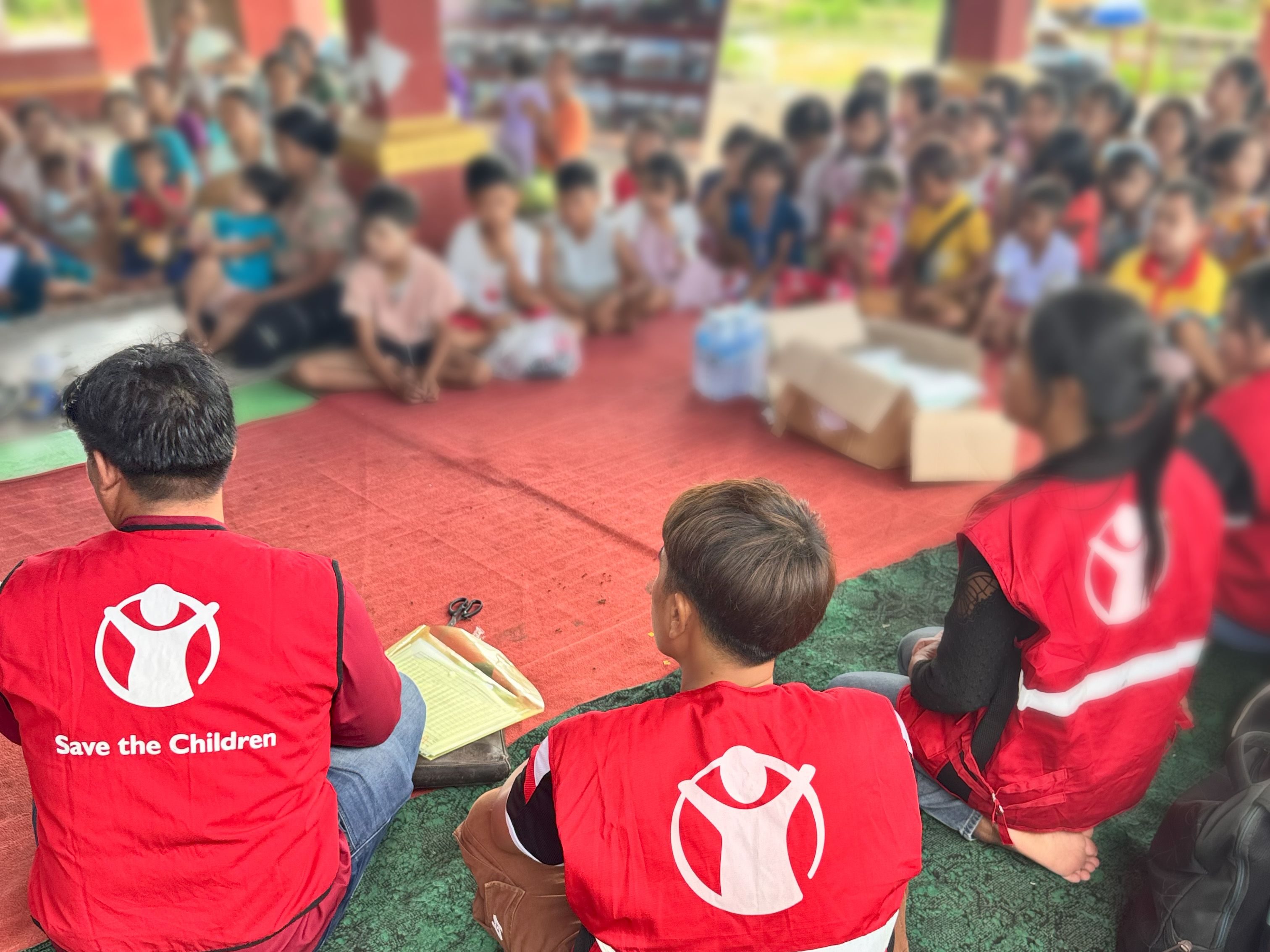
Photo: Staff distributing education kits to children after the earthquake in Shan State, Myanmar.
APRIL
Drought in Somalia
When record-breaking droughts across east and southern Africa left many families facing extreme hunger, our teams and partners provided water, cash, emergency healthcare and malnutrition treatment to help families survive and recover.
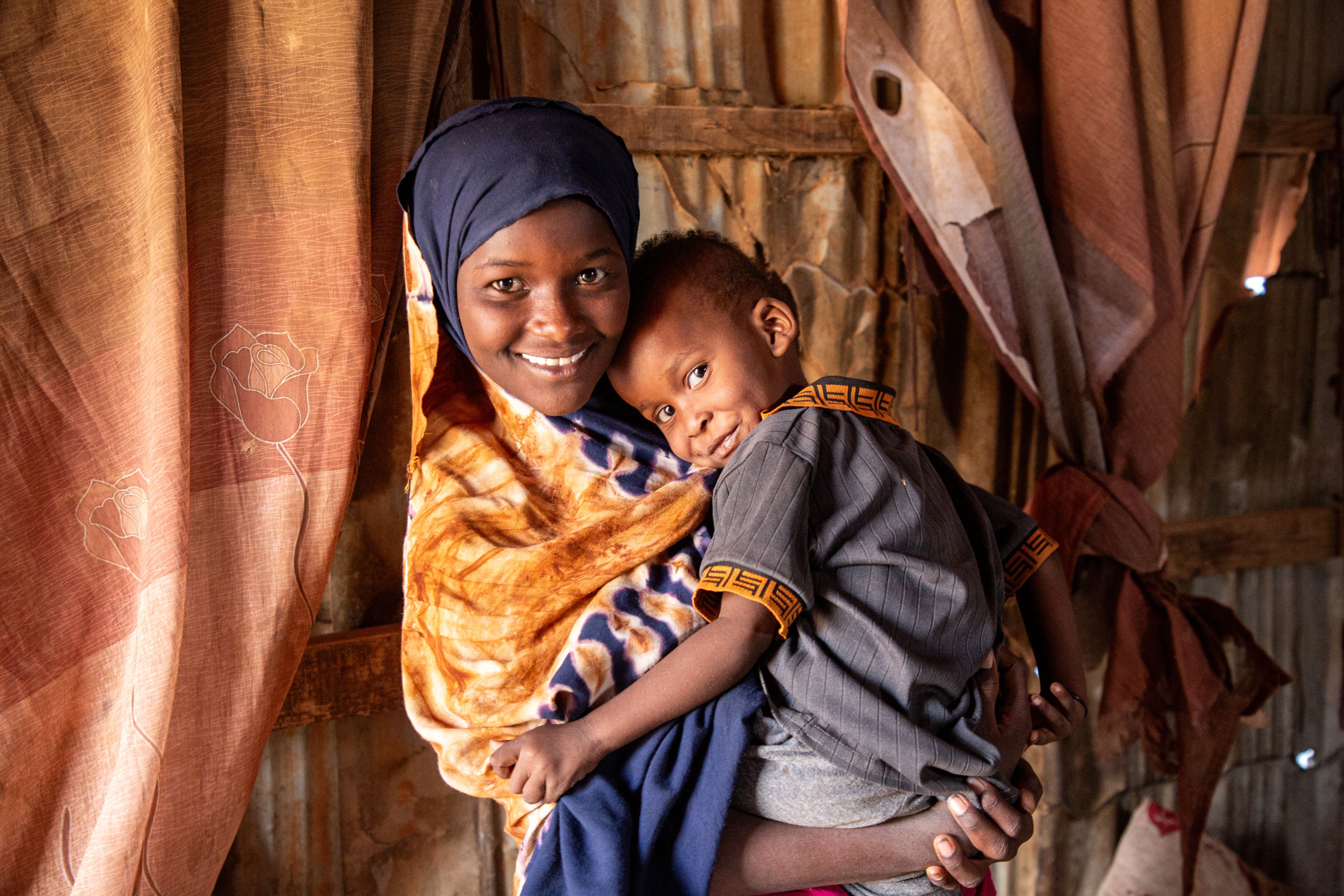
Photo: Kaltun*, age 11 , holding her brother, Ahmed*, age 2, after he recovered from malnutrition with support from Save the Children in Somalia.
MAY
Heatwaves in Mexico
During the extreme heatwaves in Mexico in May, we provided water storage tanks, sunhats and oral rehydration tablets to schools and families to help children stay protected and hydrated.
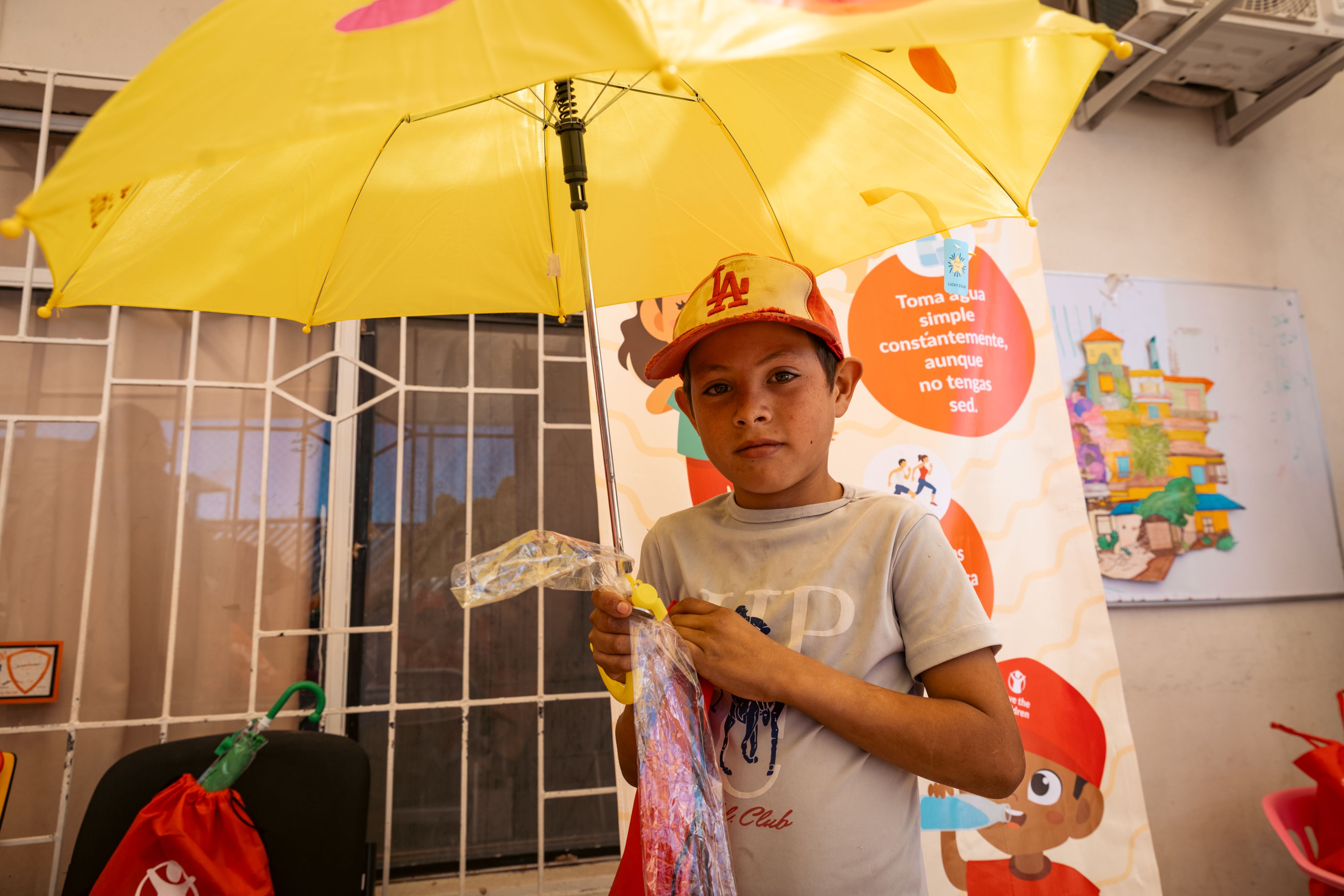
Photo: Derek, age 9, using the umbrella he received as part of his heatwave response kit in Mexico.
JUNE
Cholera in Sudan
When families in Sudan were facing a sudden cholera outbreak, the Children's Emergency Fund helped us to quickly set up a cholera treatment centre.
Between May and July, we helped almost 7,750 people with emergency care. We also delivered clean water and hygiene support to families living in camps, helping to contain the outbreak.
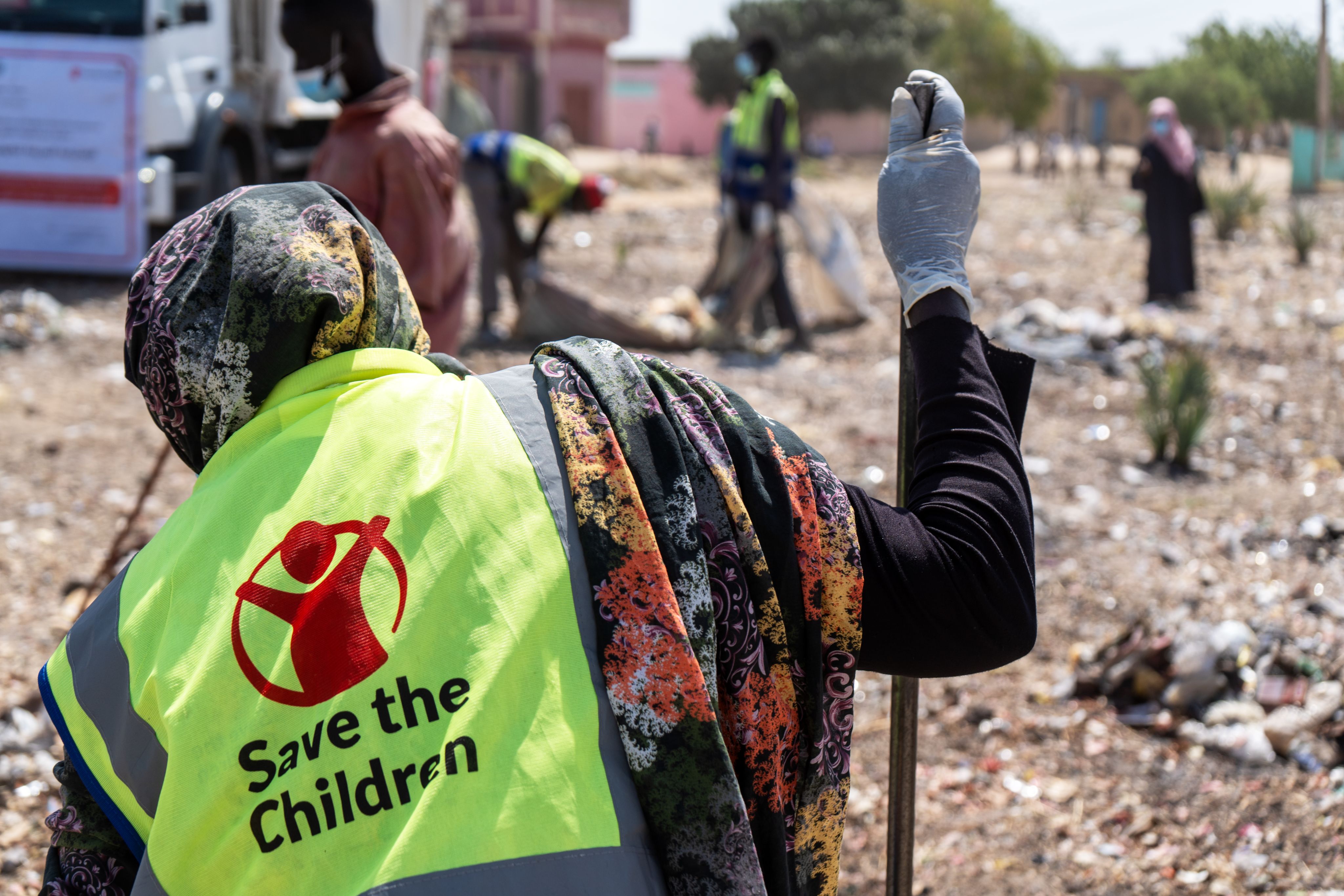
Photo: Save the Children workers cleaning a camp impacted by cholera in While Nile state, Sudan.
JULY
Mpox in Sierra Leone
The training not only provided me with knowledge about preventing Mpox, but also significantly boosted my confidence in communicating with my peers.”
To tackle the rapid Mpox outbreak in Sierra Leone, we supported the government in training over 100 community health workers to monitor and contain the disease. We also trained 49 children to become health advocates in their schools and communities, helping to dispel myths about Mpox and promote healthy practices.

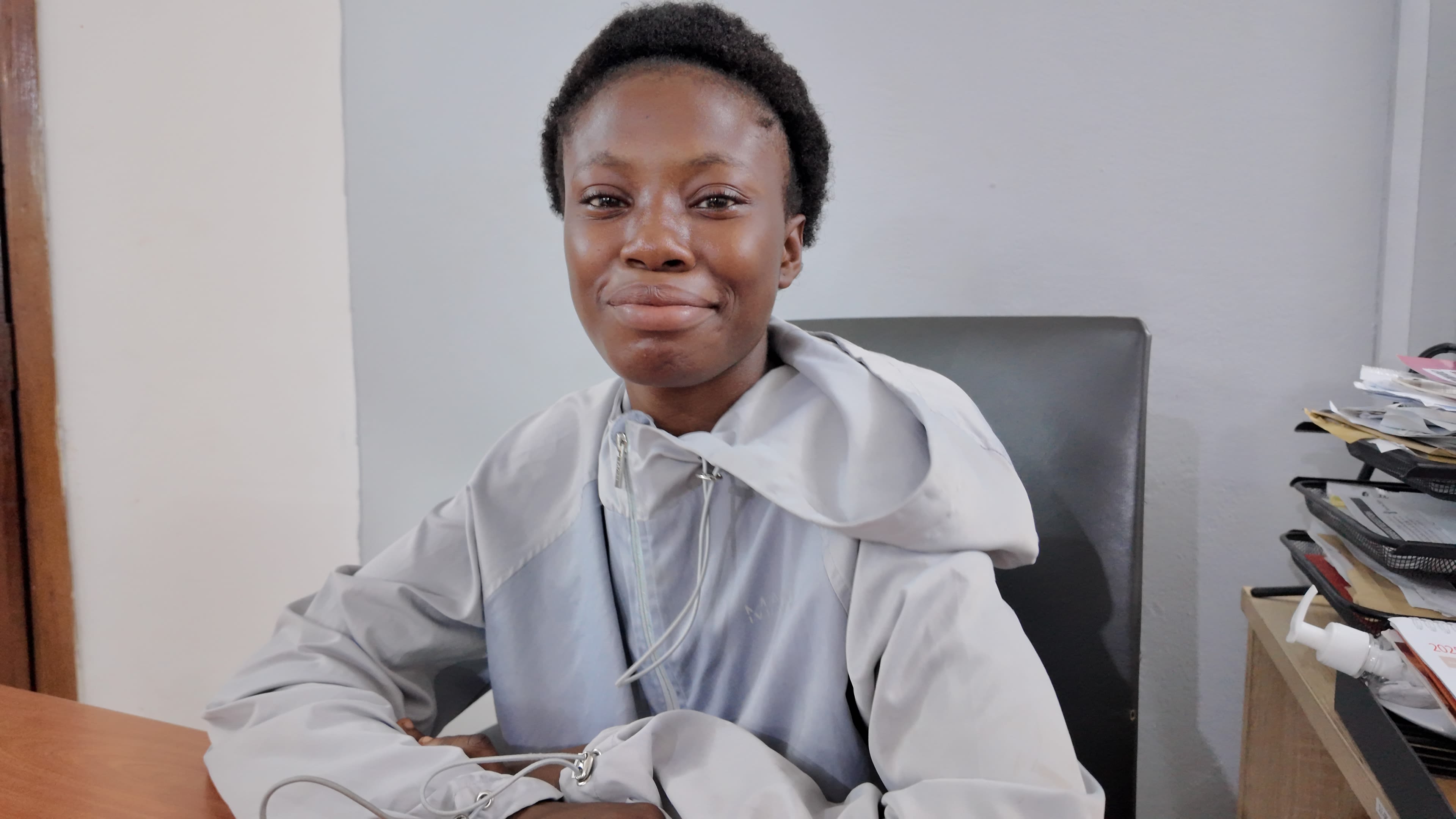
Photo: Abie, age 15, Sierra Leone.
AUGUST
Famine in Gaza
Once the declaration came out announcing that parts of Gaza were experiencing famine, our teams and local partners responded by providing clean water, food and other essentials families needed to survive.

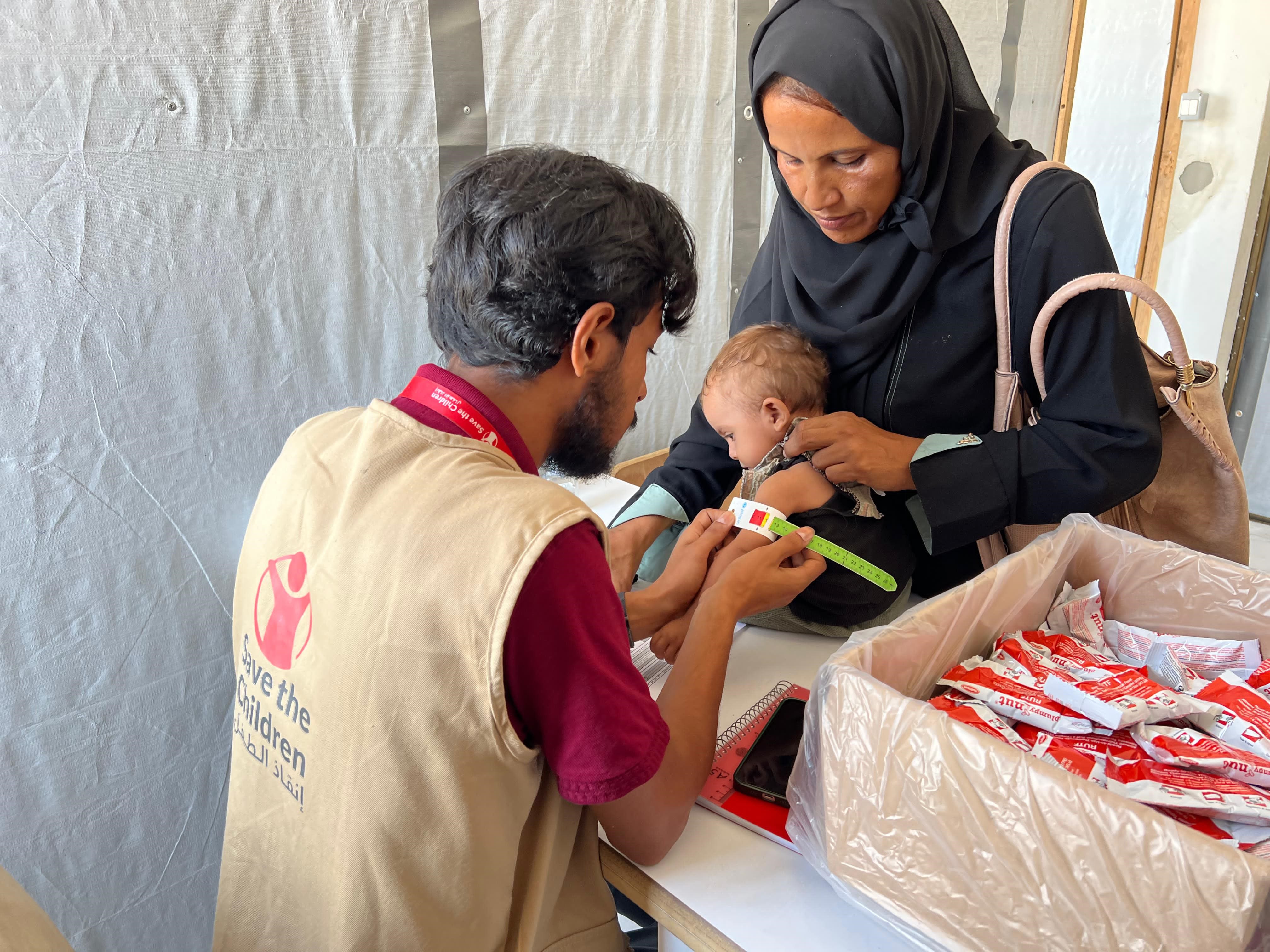
Photo: Noura* with her daughter Rania* being measured for malnutrition at Save the Children clinic in Gaza.
SEPTEMBER
Earthquake in Afghanistan
When a 6.0 magnitude earthquake struck eastern Afghanistan, our local mobile health teams trekked to the worst-affected areas – some walking for 20km carrying medical equipment – to set up emergency clinics with medicines and support for women to give birth safely.
We also set up safe spaces for children to play and provided cash, water and essential items like blankets and shelter kits to families, helping more than 53,100 people overall between September and November 2025.
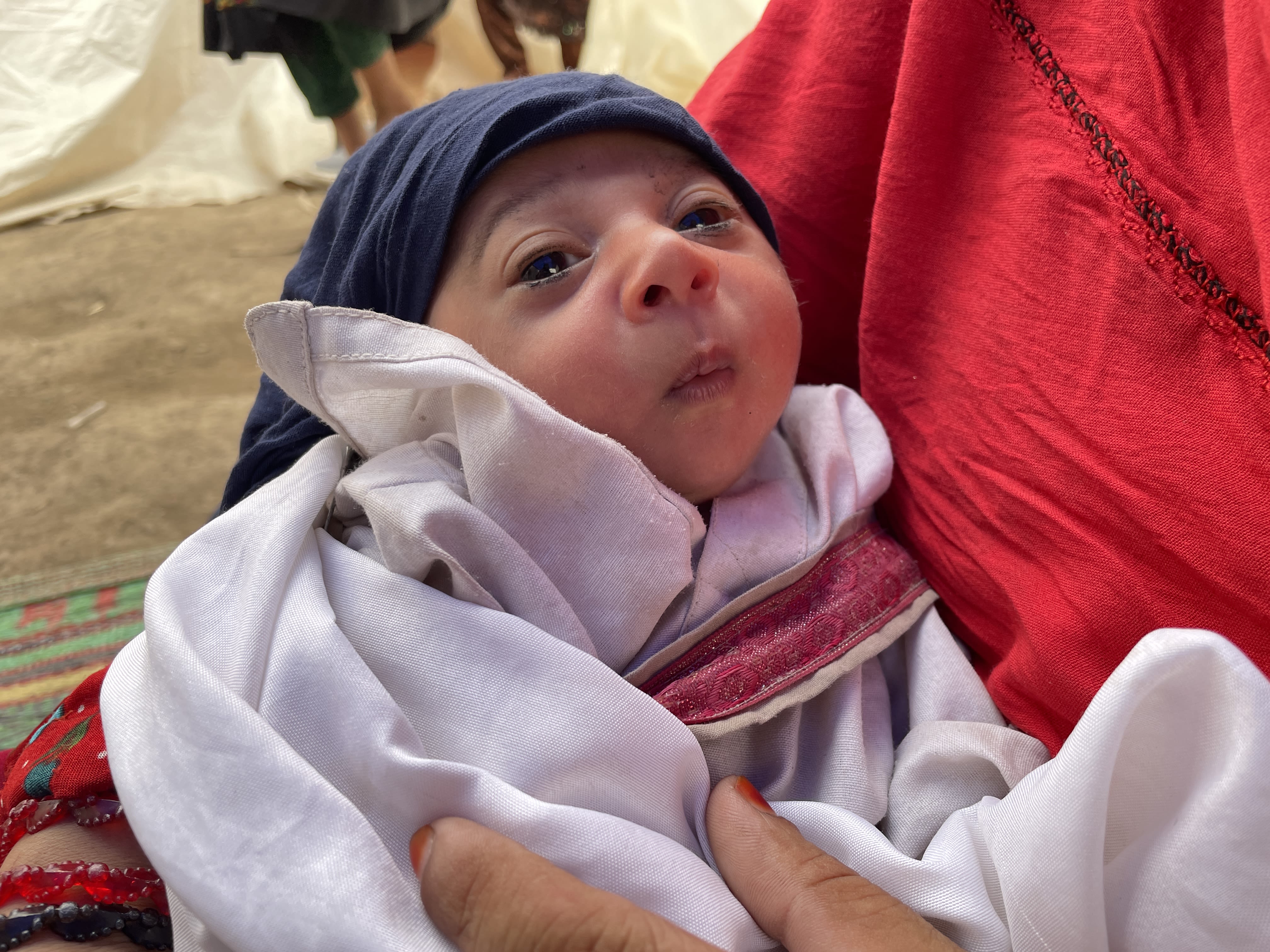
Caption: Pari* with her newborn baby at a mobile health clinic set up by Save the Children in the aftermath of the earthquake in Afghanistan.
OCTOBER
Hurricane in Haiti
After Hurricane Melissa, the strongest hurricane on record in 2025, unleashed devastating winds and torrential rains across the Caribbean, we provided essential hygiene supplies and cash to families in Haiti. We also worked with the Ministry of Education to help children return to school once the storm had passed.
In a world shaken by natural disasters and socio-political crises, I believe that education is one of the fundamental rights that can ensure a better future for children."

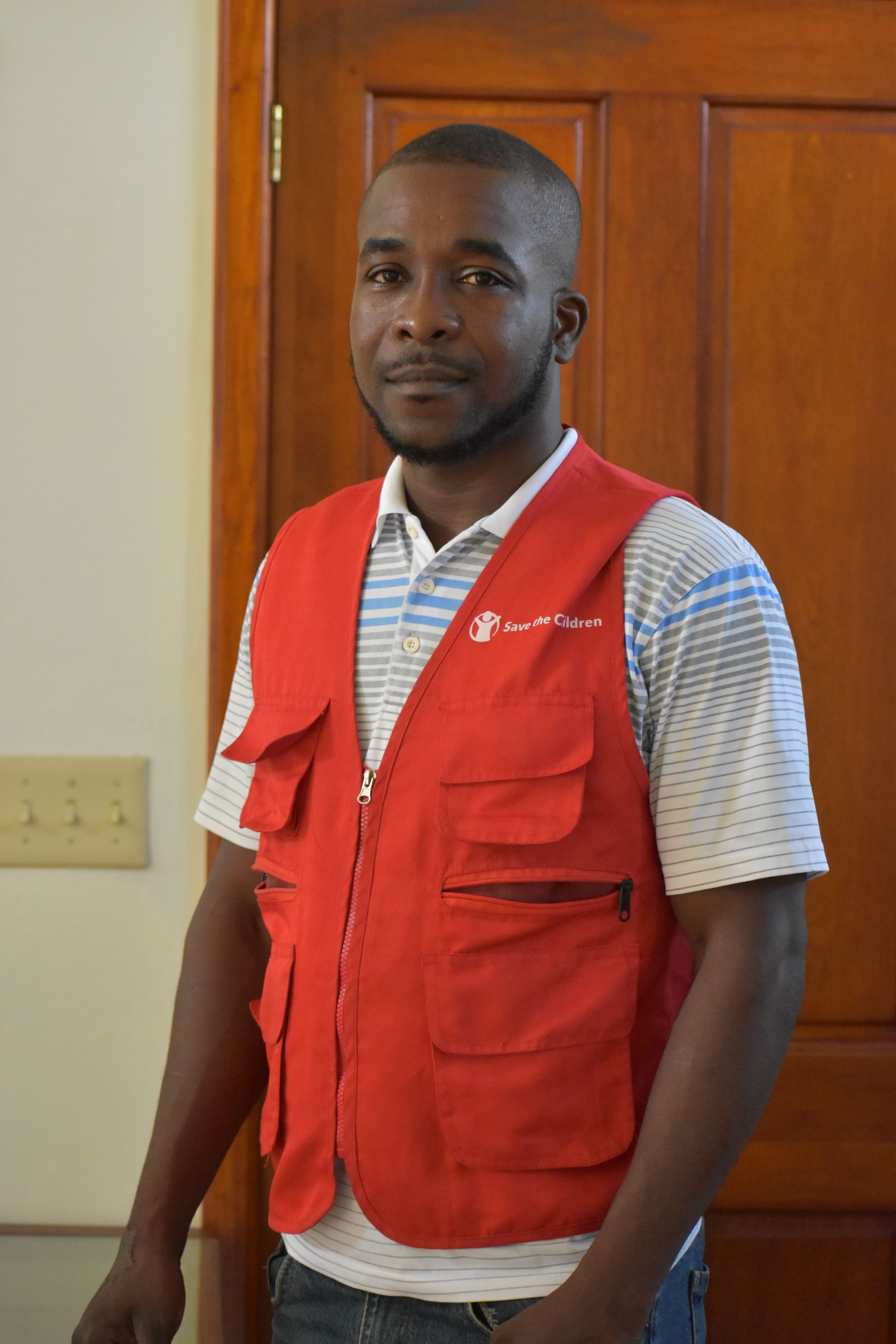
Photo: Gardy, staff member in Haiti.
NOVEMBER
Flooding in Indonesia
Deadly floods and landslides triggered by Cyclone Senyar affected more than 3 million people in Aceh and Sumatra.
We helped families who'd lost their homes by providing cash, repairing toilets and sanitation facilities, and setting up safe spaces for children to play, relax and recover.
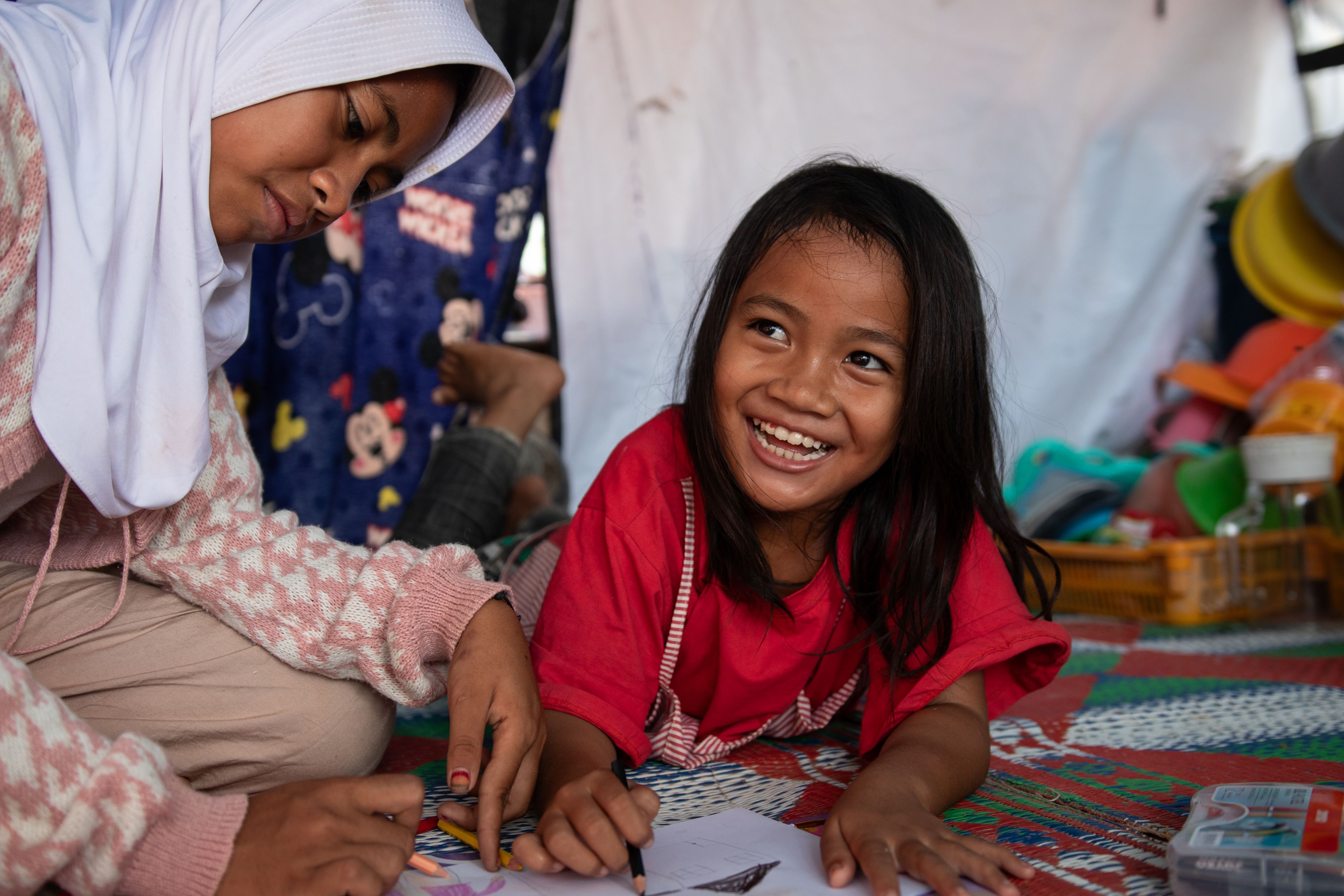
Photo: Dev*, age 8, laughs while colouring with her sister Din*, age 14 , using pencils and paper provided by Save the Children after the floods in Aech, Indonesia.
DECEMBER
Anticipating floods in Sri Lanka
When Cyclone Ditwah hit Sri Lanka, the Children’s Emergency Fund had already invested in local partners and anticipatory action projects, so communities were well prepared to respond.
Partners led the local response, including providing clean water and hygiene essentials to affected families, helping to repair and reopen schools and offering psychological support to children to help them cope.
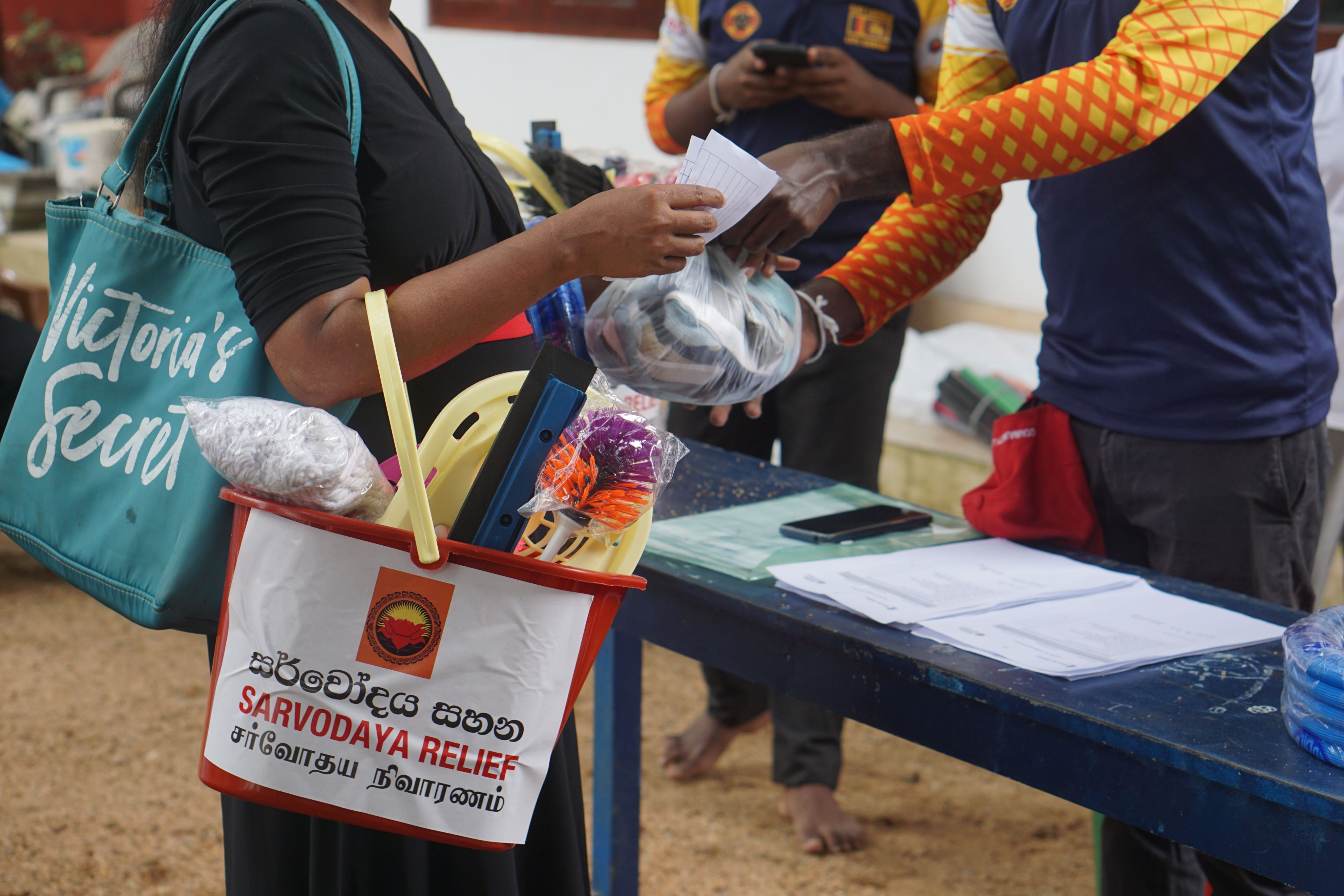
Photo: Save the Children partner staff distribute house cleaning kits to flood affected families in the Colombo district, Sri Lanka.
Map: 61 countries that were supported by the Children's Emergency Fund in 2025.
THANK YOU
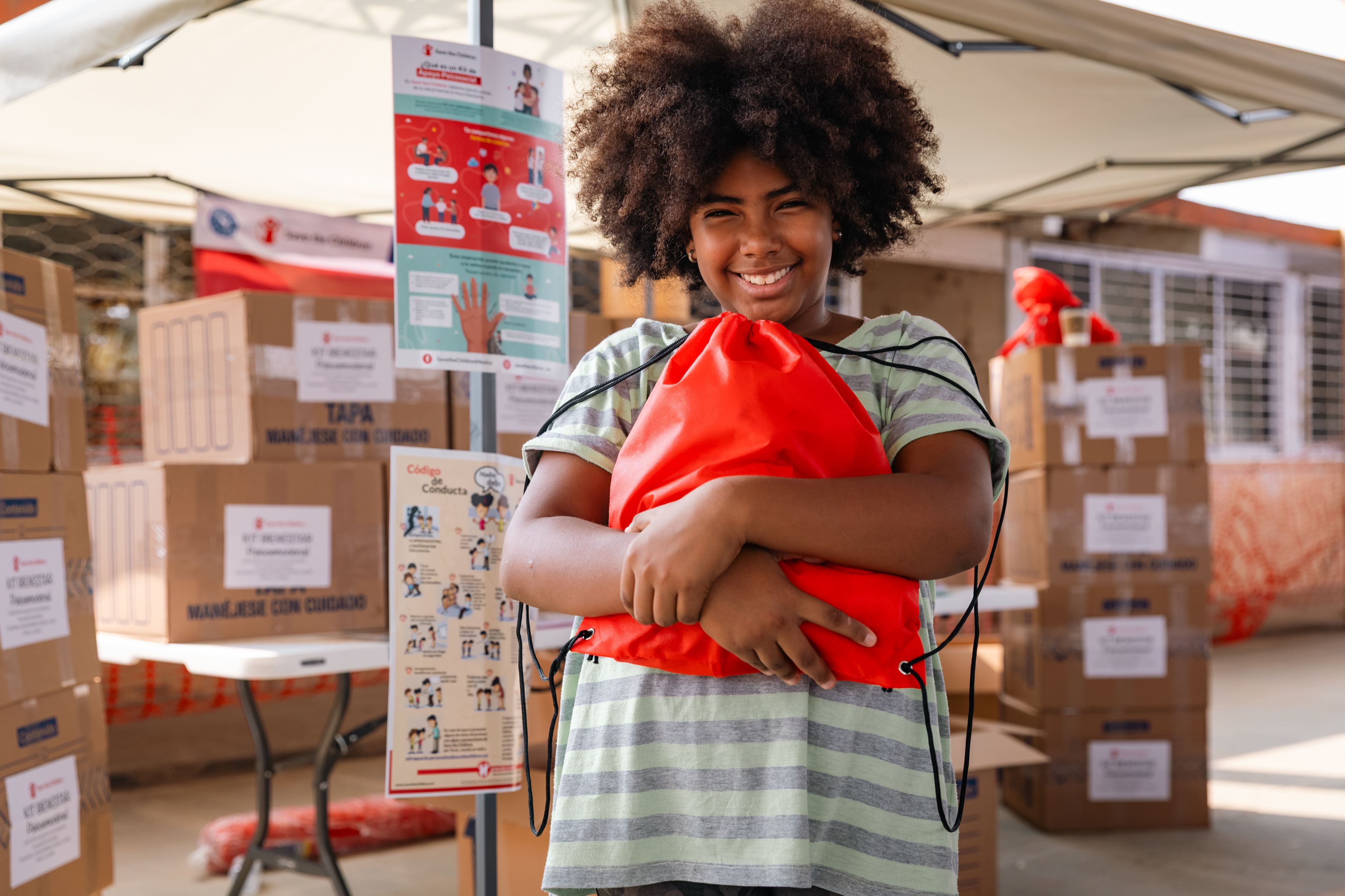
Your support for the Children’s Emergency Fund in 2025 has helped children survive, recover and rebuild from disasters around the world. Thank you for your support and generosity.

LOOKING AHEAD
Already in 2026, conflict, climate disasters and hunger are threatening children's safety, health and education. Around 1 in 11 children worldwide will need humanitarian support this year.
Your continued support for the Children’s Emergency Fund will help ensure our teams can continue responding no matter what.
Photos by Save the Children | *Name changed for protection

 Built with Shorthand