
REACHING CHILDREN WHEN DISASTER STRIKES
Behind the scenes of how humanitarian aid workers reach families during the world's worst emergencies.
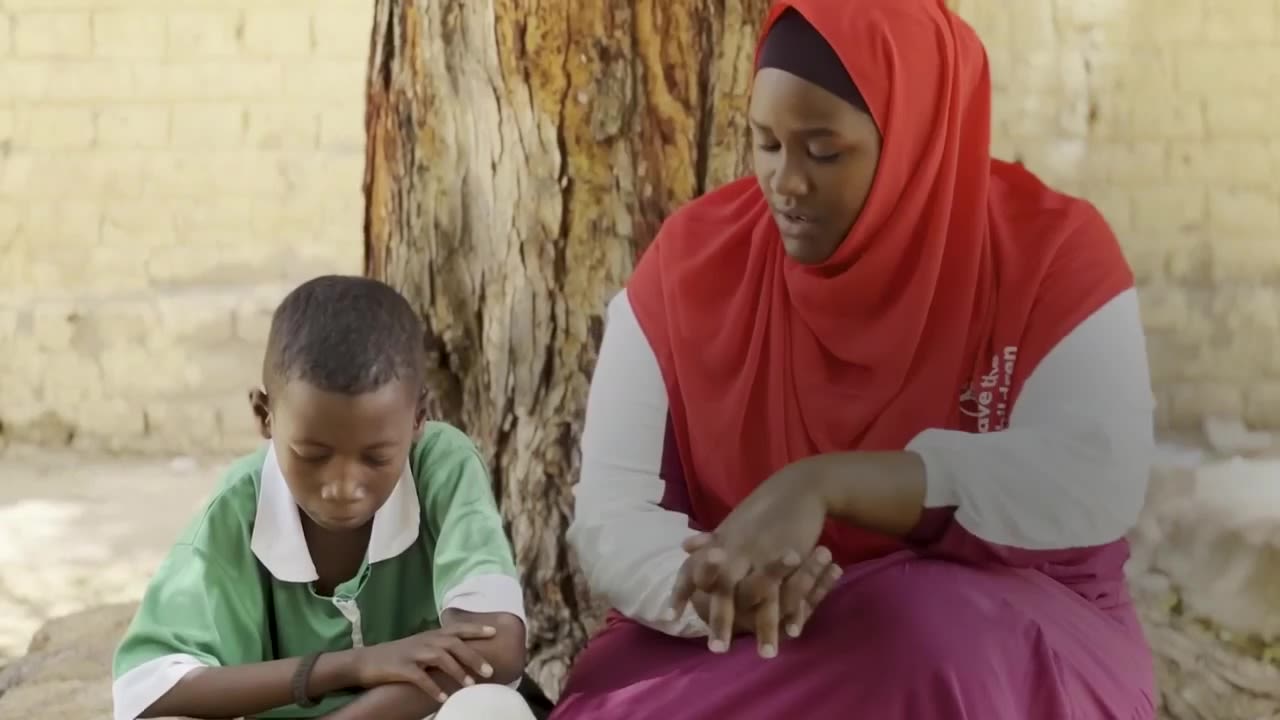

On World Humanitarian Day, we recognise those who courageously lead the response when disaster hits.
While 2024 set a record, 2025 is on track to surpass it as the deadliest year for humanitarian workers.
This year, more than 200 aid workers have been killed, with many more injured, kidnapped or detained. This is up 44% from this time last year, according to the Aid Worker Security Database, which tracks global security incidents involving aid workers.
Every single day for more than 25 years, at least one aid worker, on average, has been killed, injured, kidnapped or detained while doing that work. That’s over 8,500 major attacks against aid workers.
International Humanitarian Law is clear: humanitarians must be protected. They are not a target. Yet red lines are crossed with impunity, indifference, and hypocrisy every day. And it is children who are paying the price.
Scroll down to discover how humanitarian workers navigate extraordinary challenges to support children around the world.

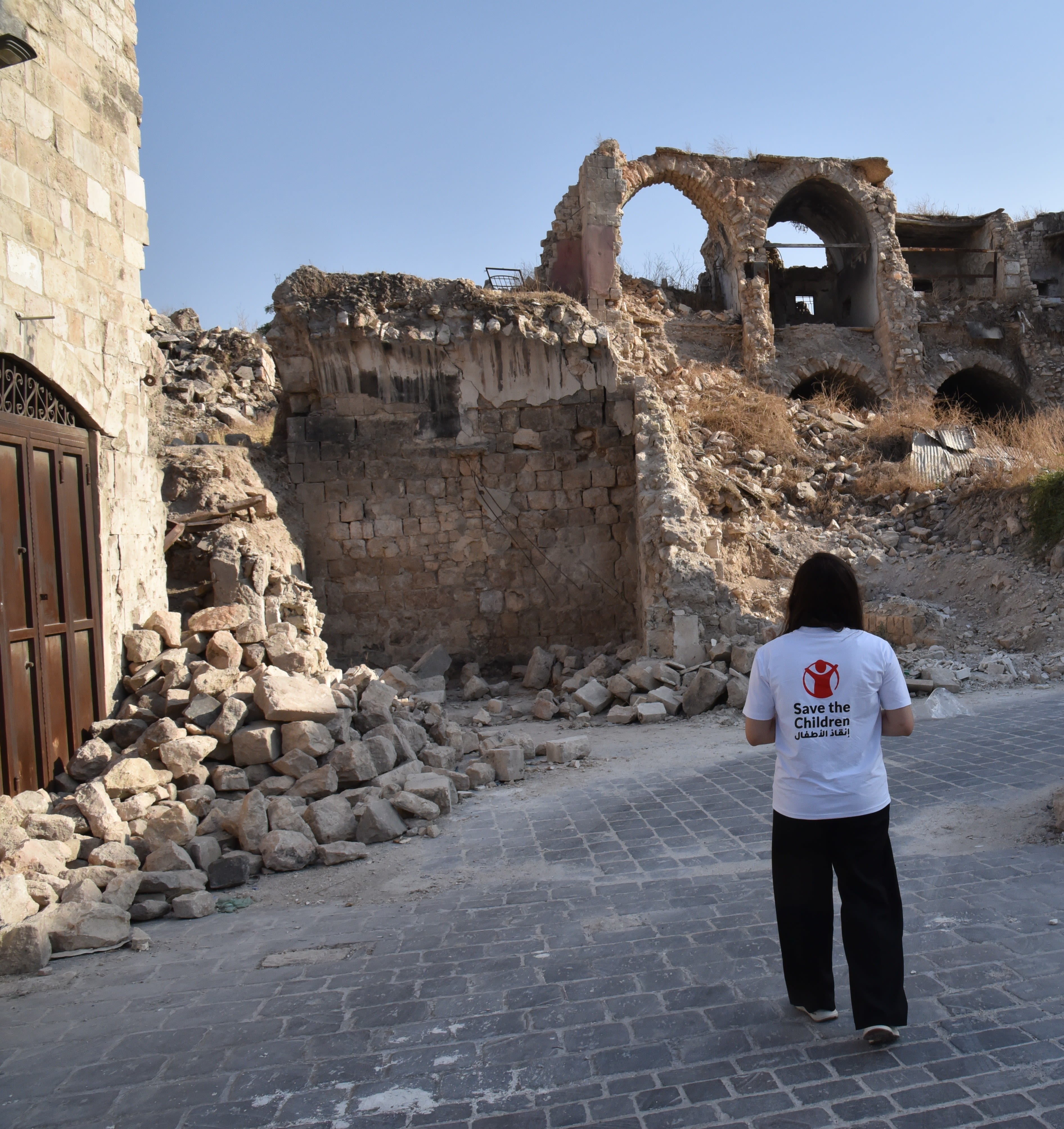
SERVING DISPLACED FAMILIES IN SUDAN
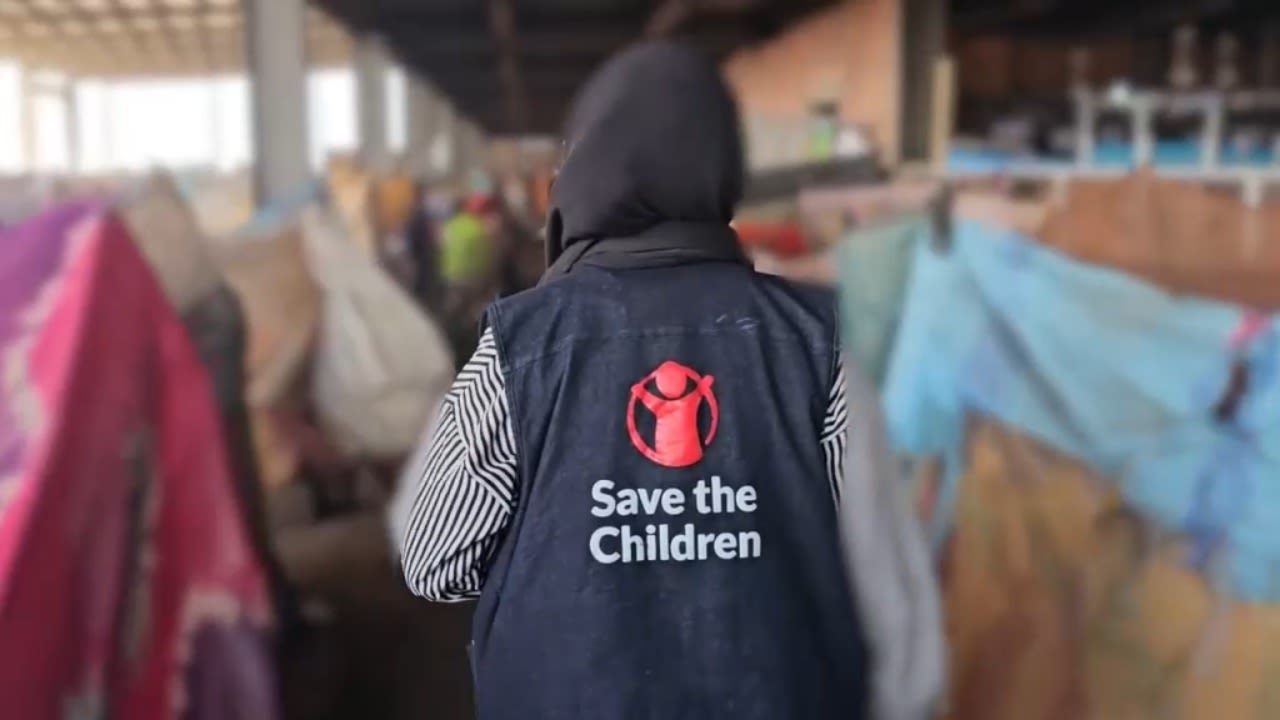

Sudan is facing one of the worst hunger crisis the world has seen in decades. For humanitarians around the world, it can be very difficult to see when communities' needs far outweigh the available resources.
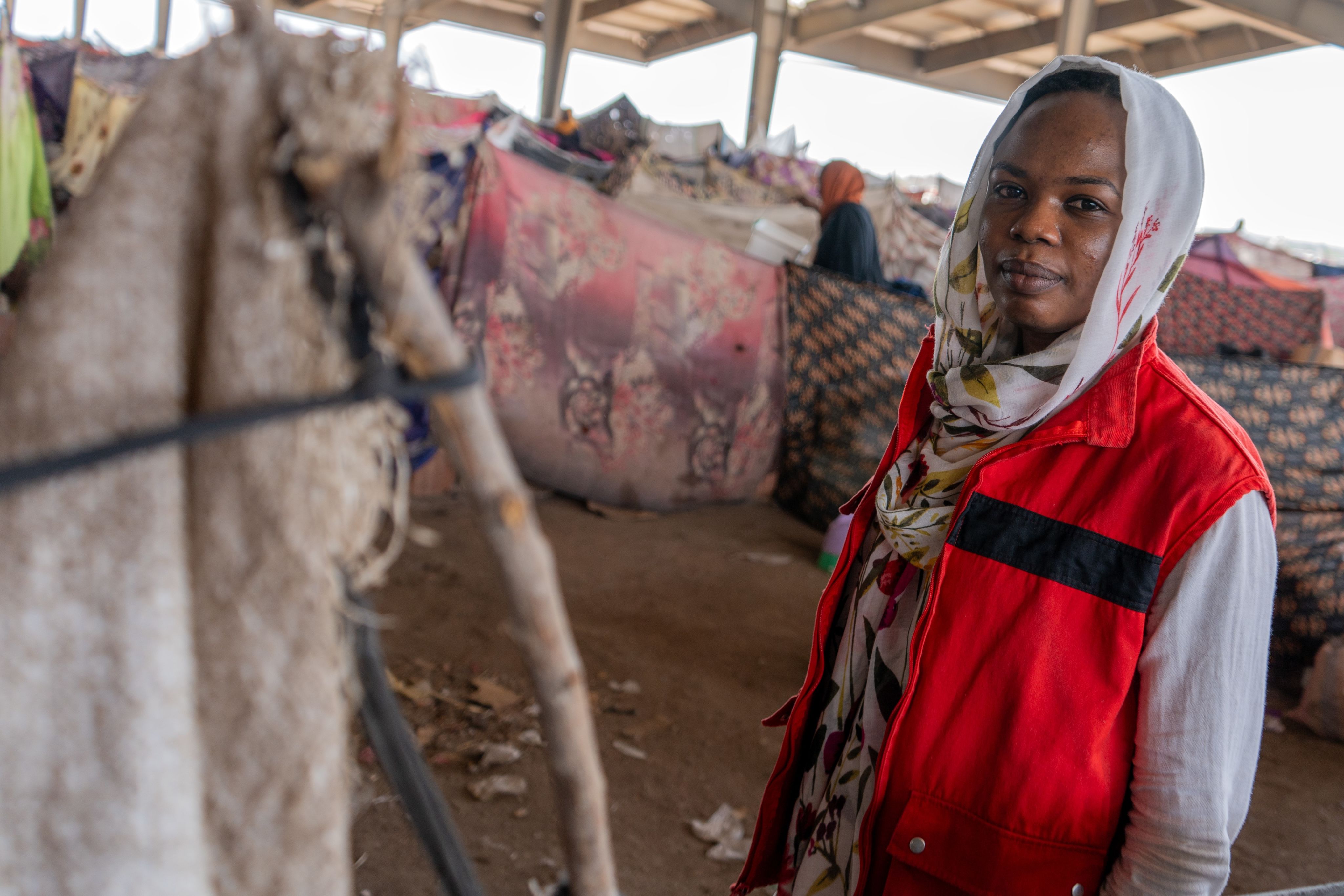
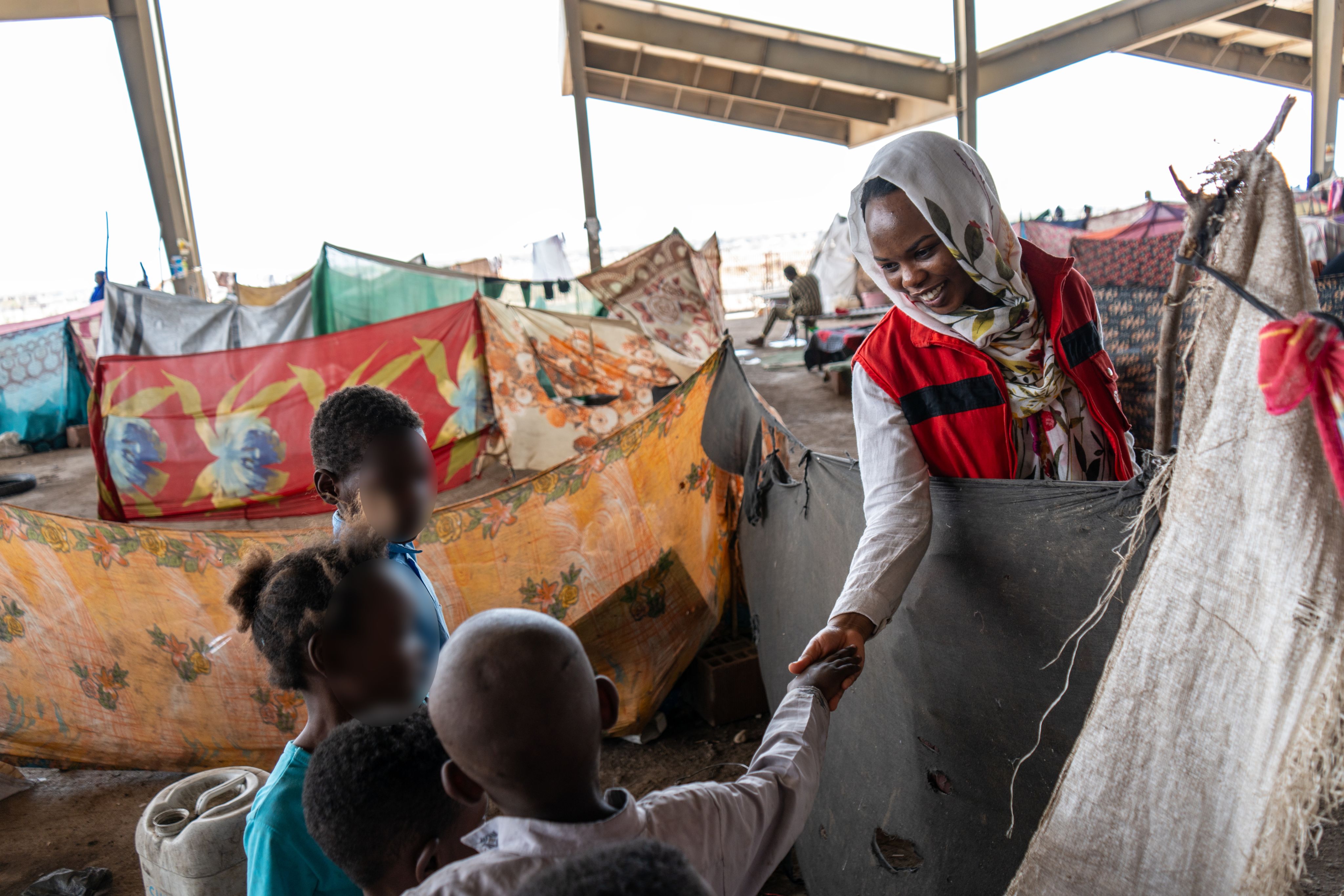
One of our staff members, Asma, shares that 1,000 families live in the camp in Gadaref with only bedsheets to separate them. Yet, she does whatever she can to help families live as normal a life as possible.

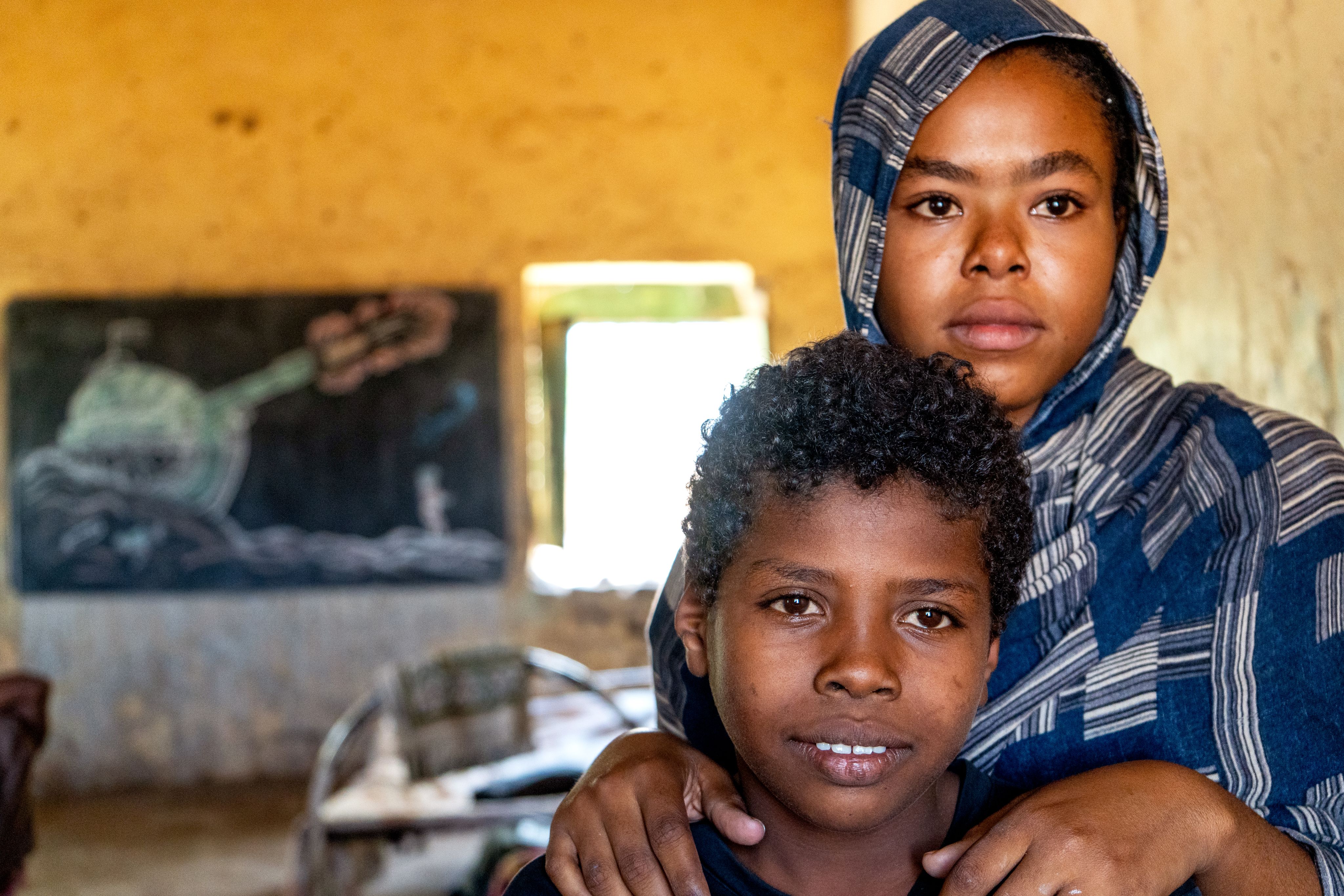
Azzam*, 11, his sister Najla* and the rest of their family have lived in a camp for two years since fighting displaced them from their home in Khartoum.
Azzam*, 11, his sister Najla* and the rest of their family have lived in a camp for two years since fighting displaced them from their home in Khartoum.
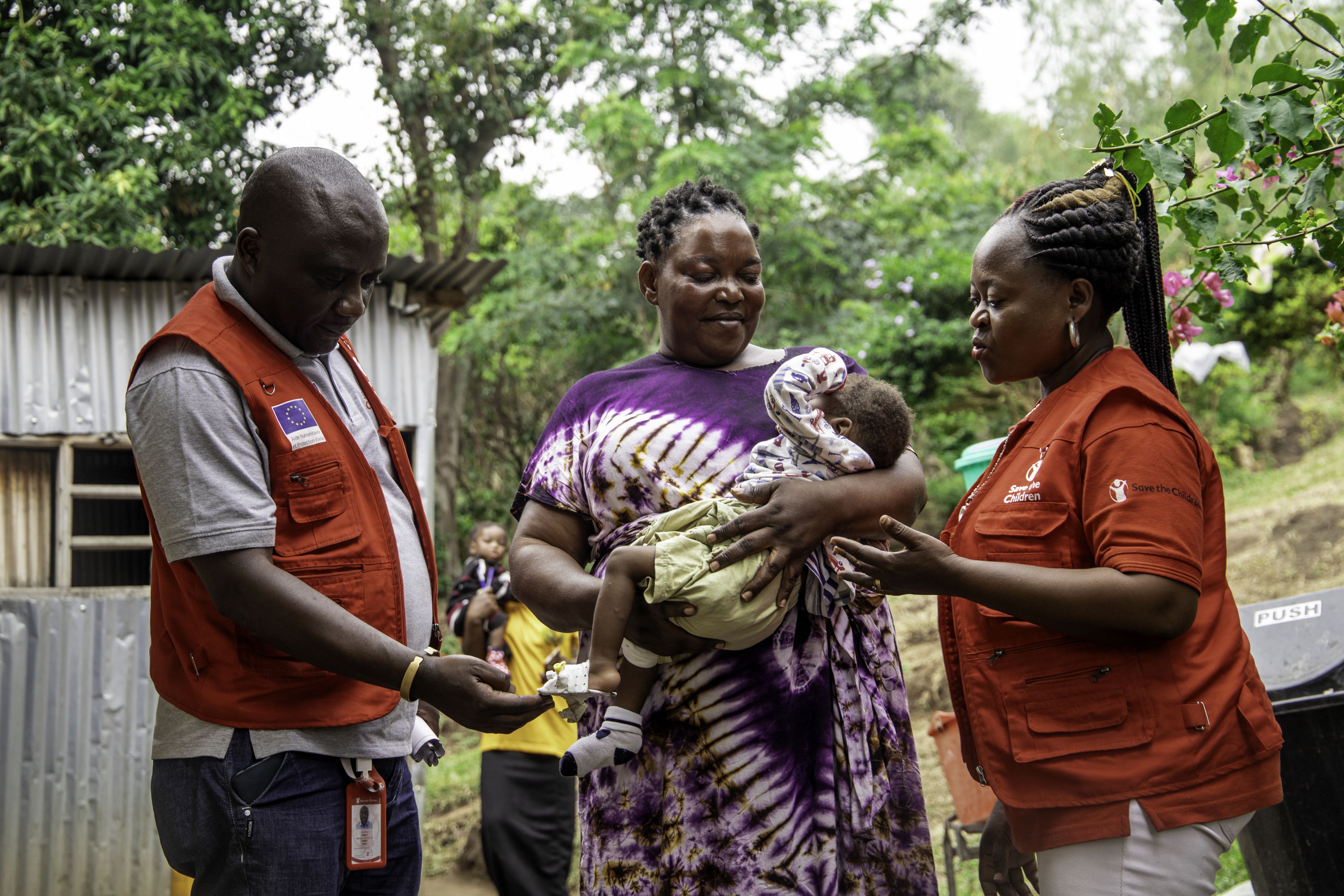
Asma is particularly proud of the health clinic that Save the Children runs in the camp. Pregnant women now have a safe place to give birth, and children benefit from health and nutrition services.
Save the Children has been doing everything possible to provide support for those children and their families, but we're still calling for more resources.

EDUCATION IN INDONESIA

Facing a slow-onset drought emergency, exacerbated by last year's El Niño, people struggle to grow food and find clean water in Indonesia.
Children are missing school. Their parents cannot afford to feed their families, let alone the costs of uniforms and supplies.
Our humanitarians are working on a holistic Anticipatory Action program, which will support 350,000 people in building resilience to droughts and natural disasters.
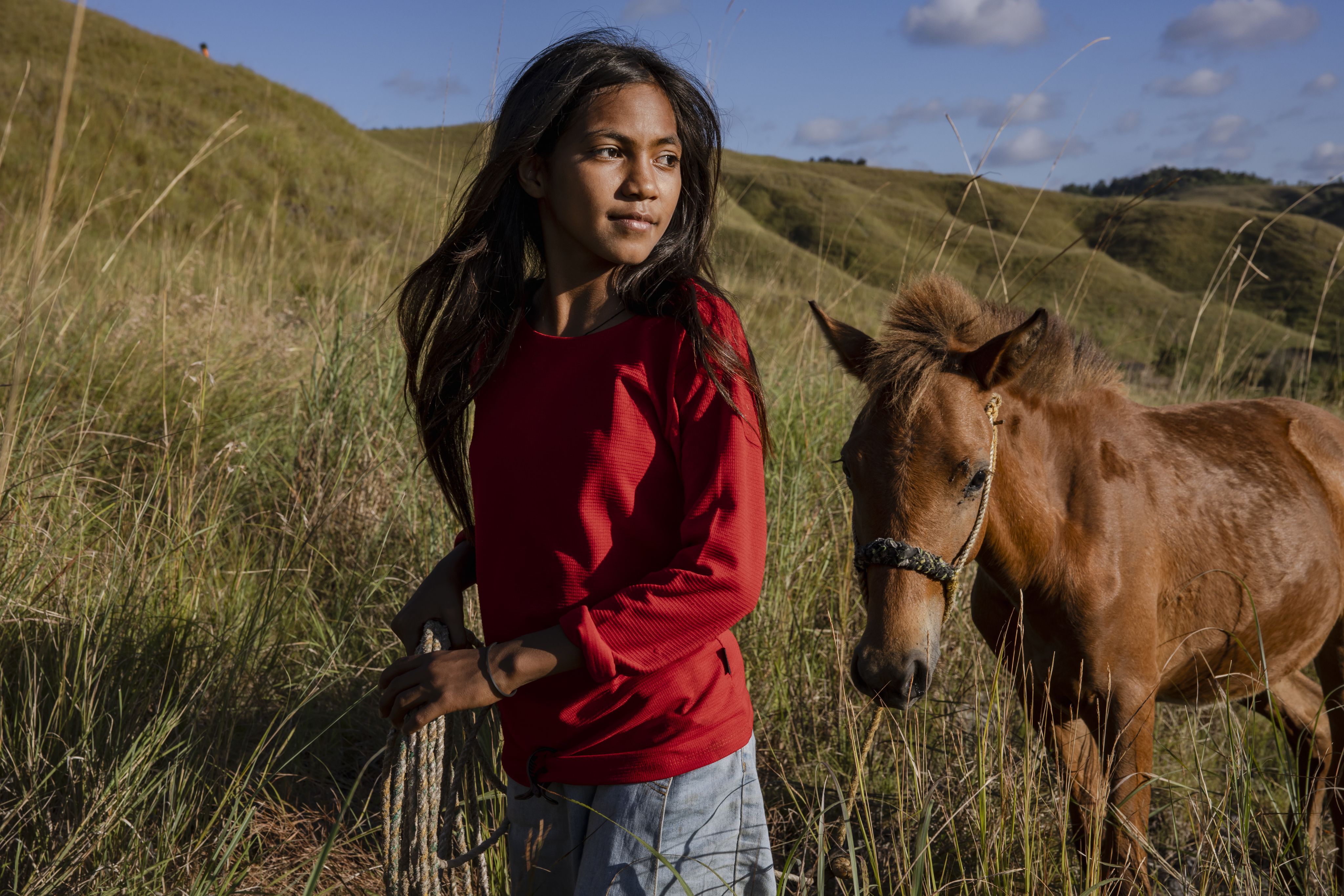
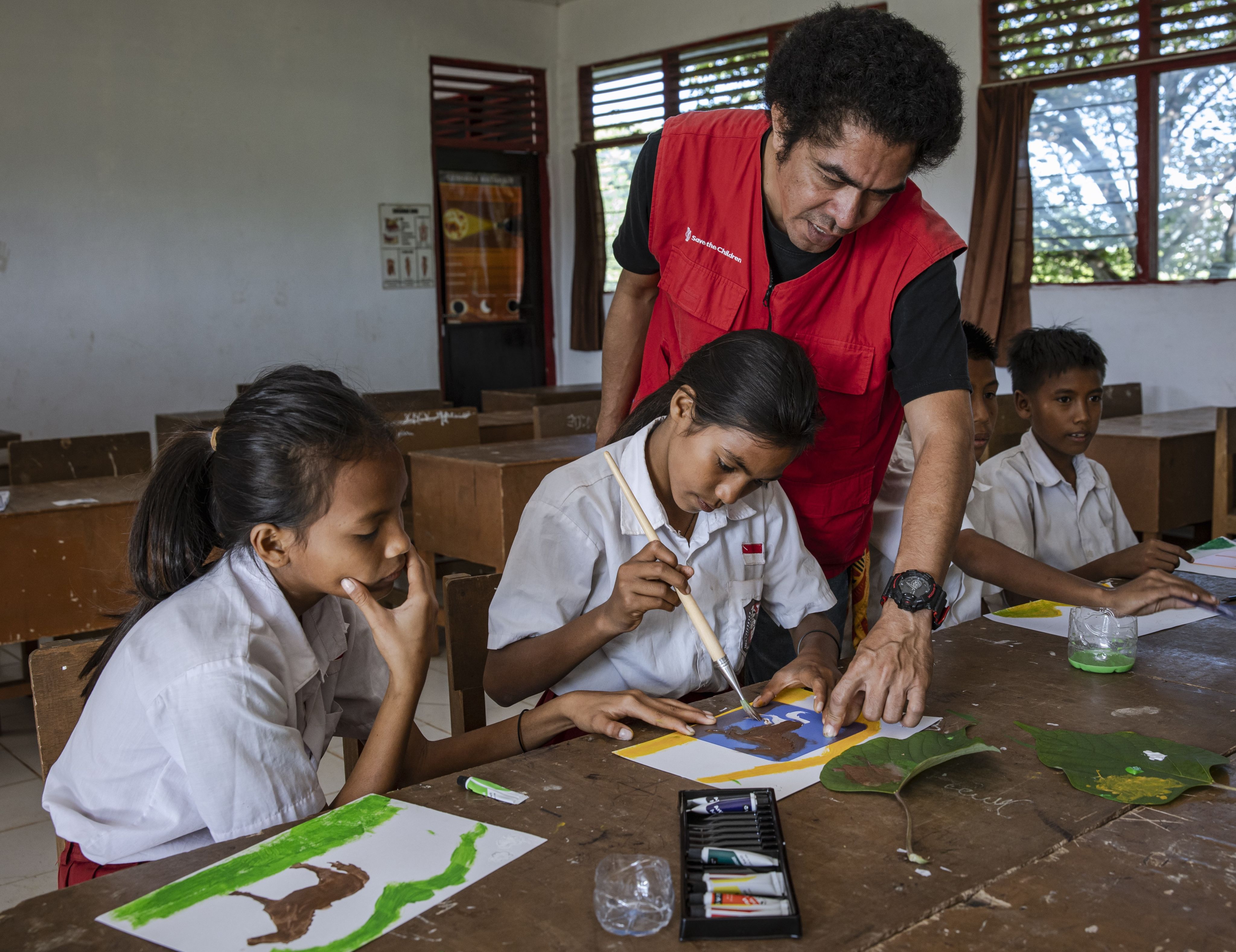
Our staff in Indonesia supports children like Atika*, 12, whose family could not afford to send her to school.
Our staff in Indonesia supports children like Atika*, 12, whose family could not afford to send her to school.
When their crops died, Atika's family often had to leave her alone to forage for food in the forest. She helped by traveling a long way across hilly terrain to bring water home to her family.
But this year, Atika doesn’t have to walk so far. We've installed an innovative solar-powered water system to provide clean water closer to homes, reducing the burden on women and children.
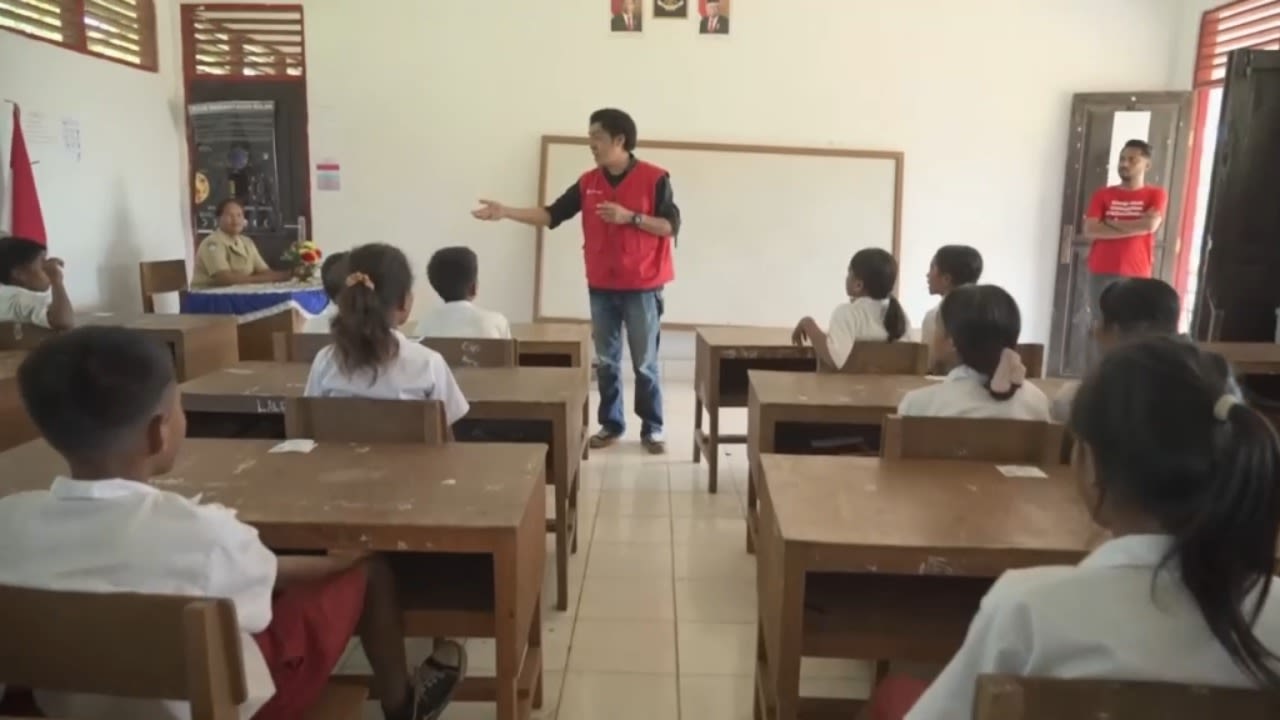
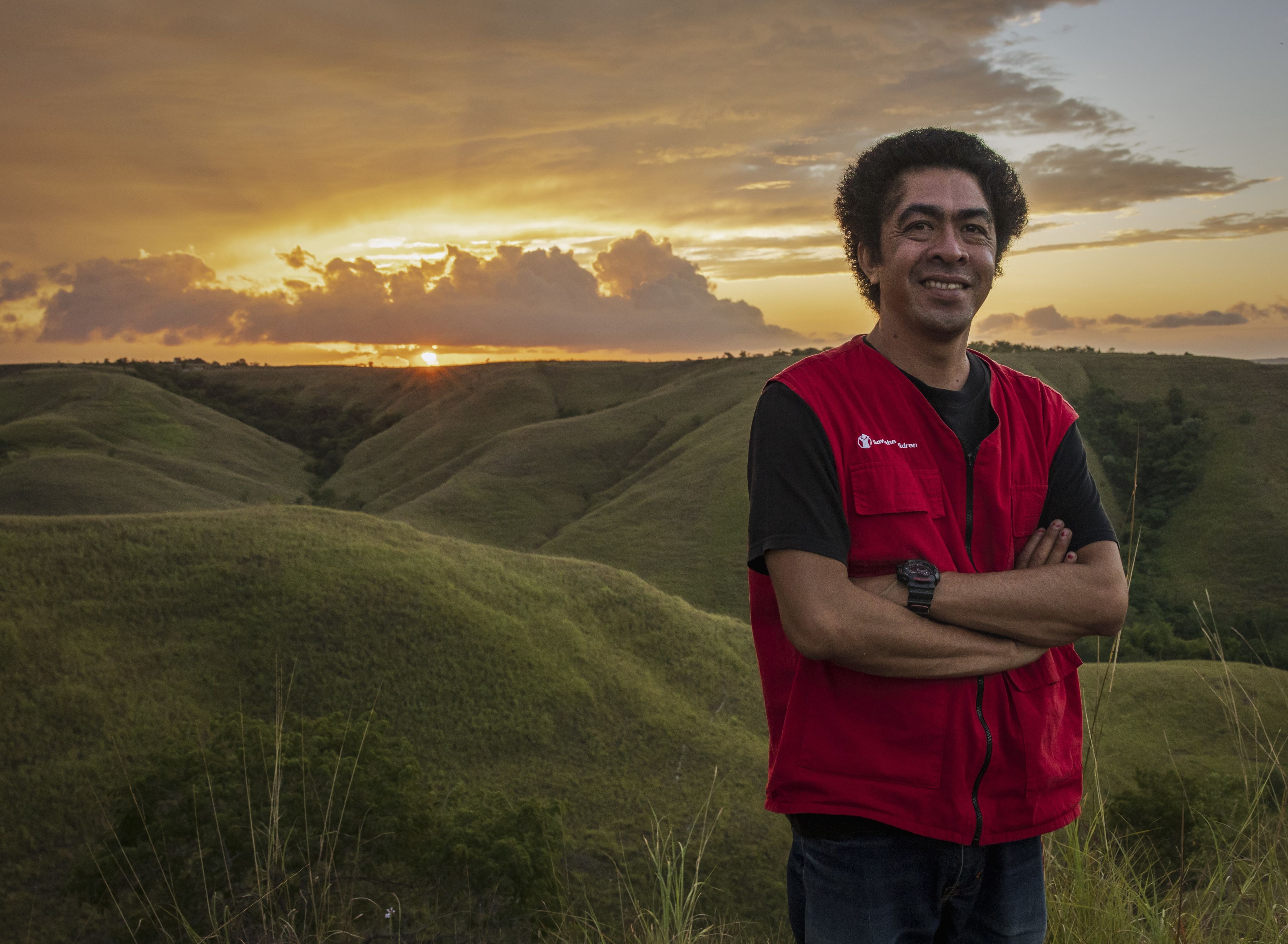
Roby Lay, an emergency specialist in Indonesia, works directly with communities and students, including Atika, to help them prepare for droughts and disasters.
People don't have enough money to buy food, let alone send their kids to school. The impact of our work is that Atika's family is home together, and she can continue her education.


SERVING FAMILIES IN UKRAINE
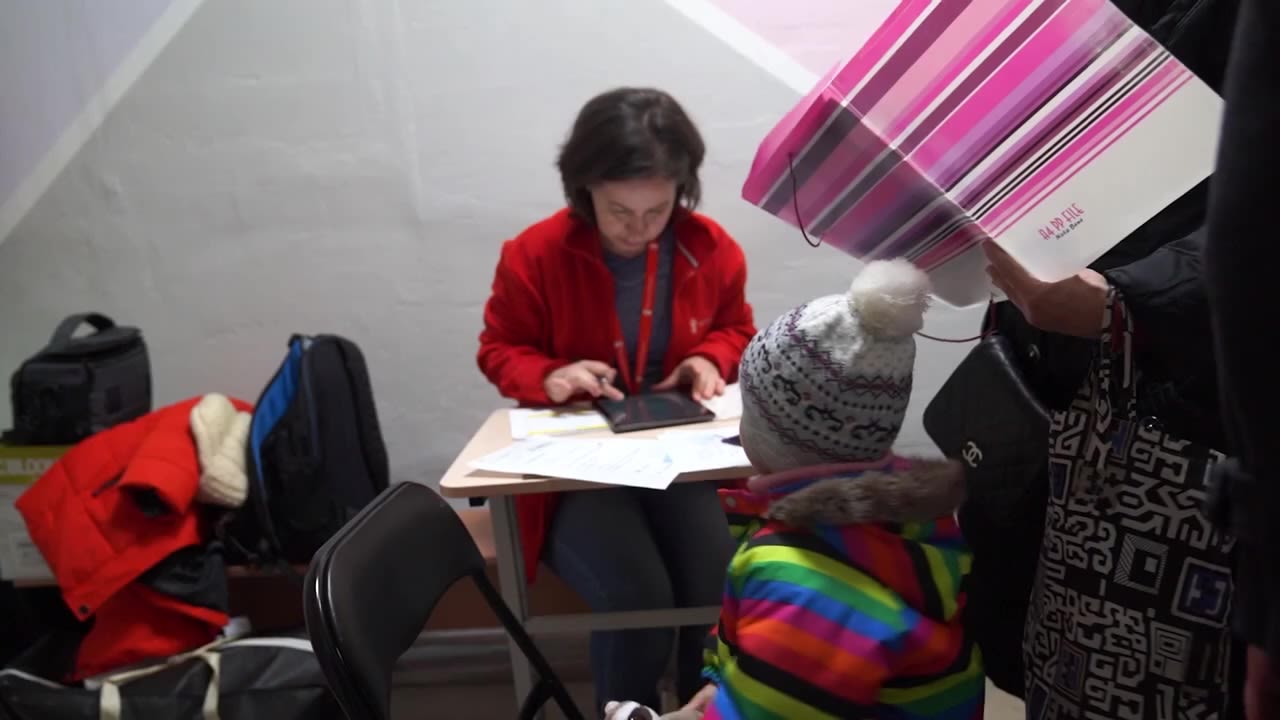

Since the war began in Ukraine three years ago, we’ve worked to provide emergency assistance to families on the frontlines. We've provided food and cash to thousands of people, including sending emergency cash to families within 72 hours of an attack.
During the attack on Zaporizhzhia in February, residential areas were hit by drone and missile strikes, leaving at least 625 homes damaged and 1,200 people without shelter.
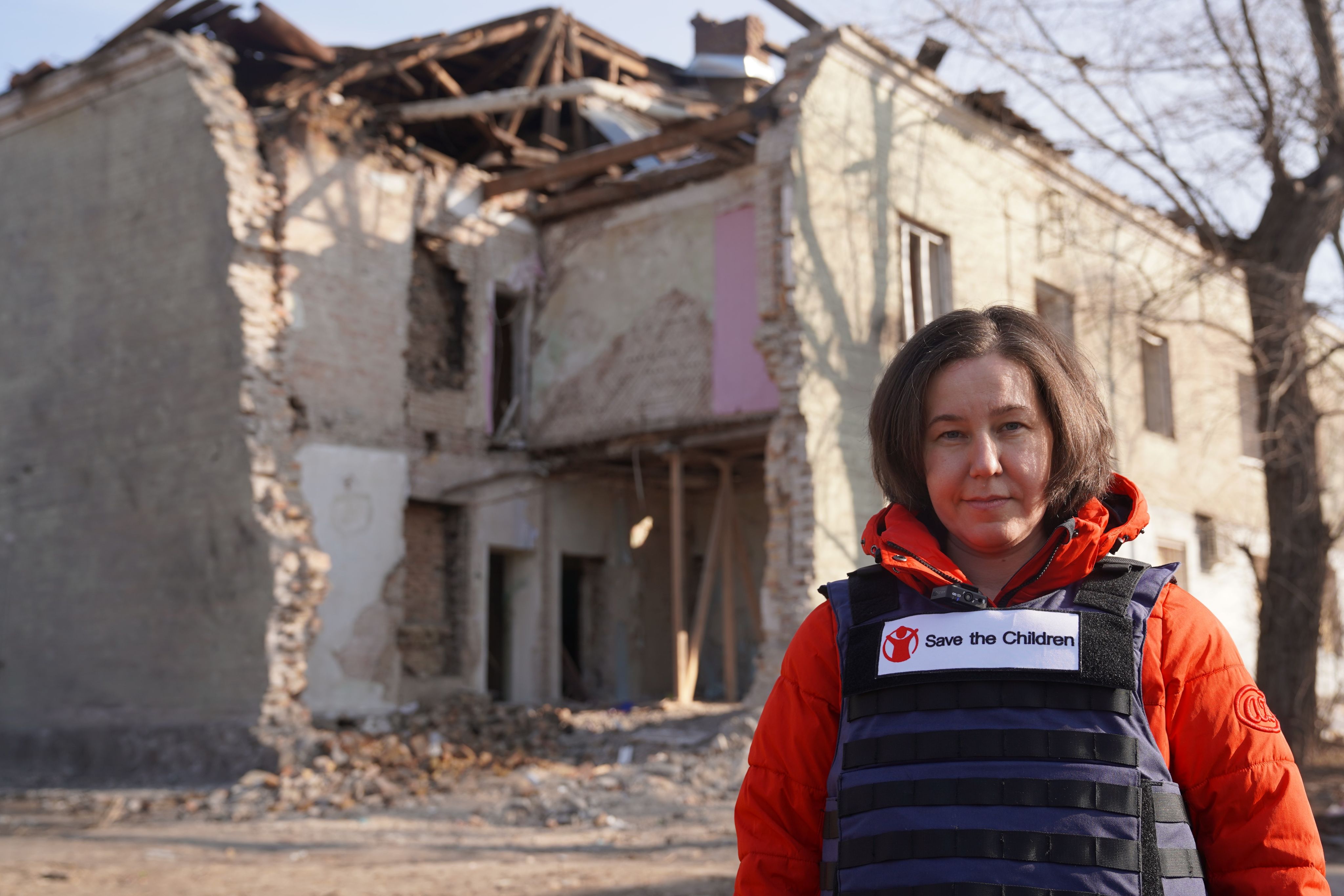
Olha, a Cash Assistance and Livelihood Officer, responded quickly to provide financial assistance to families so they can start repairing their homes or find temporary shelter.

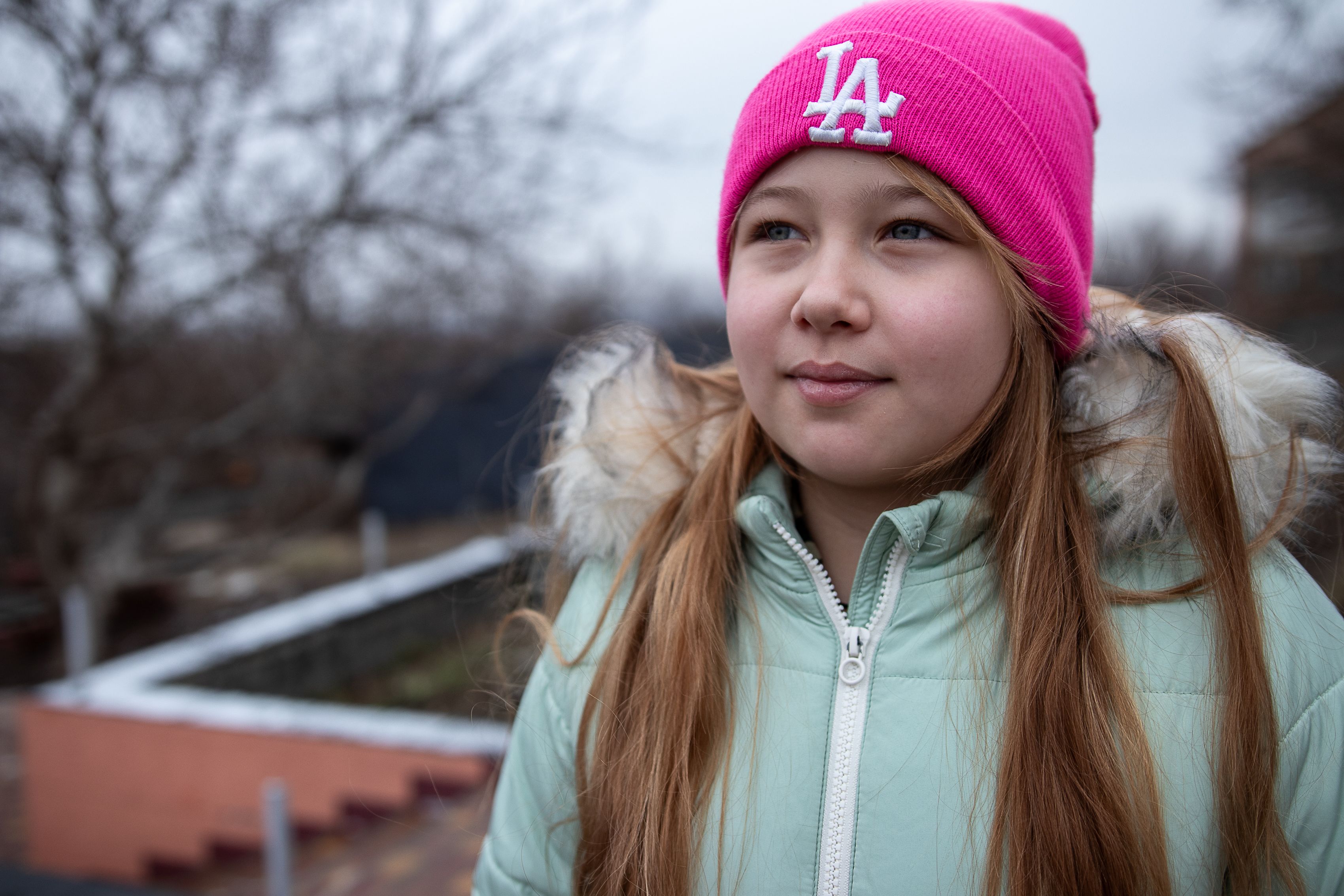
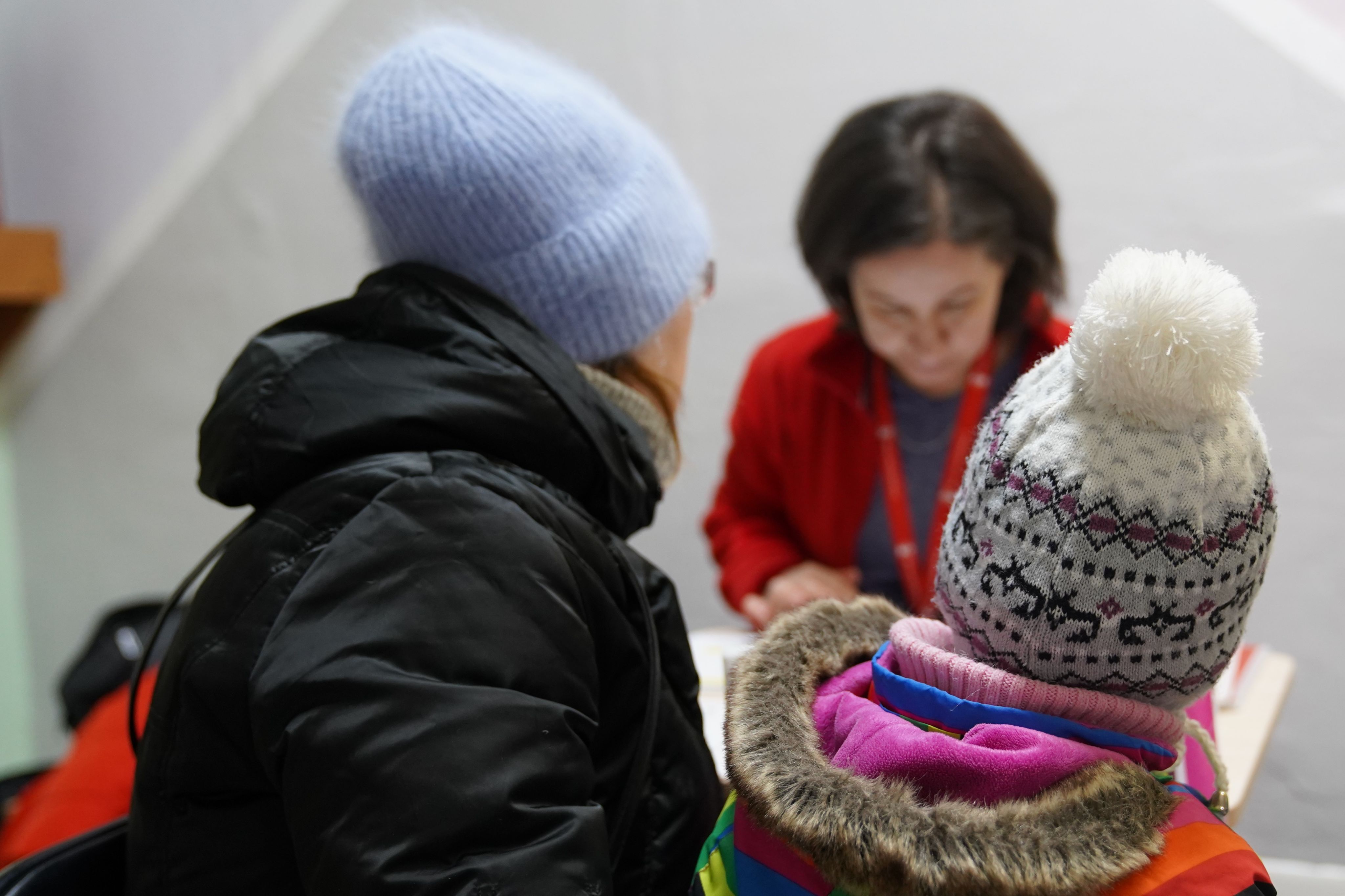
Anna*, 9, and her family have been displaced six times in the past three years. Save the Children provided her mom with a cash grant, which they used to pay for their rent and utility bills for a month.
Anna*, 9, and her family have been displaced six times in the past three years. Save the Children provided her mom with a cash grant, which they used to pay for their rent and utility bills for a month.
As humanitarian funding for countries like Ukraine becomes even more uncertain, we remain steadfast in our commitment to serve children and families.
This is the third year of full-scale war, and yet children are still losing everything. Together, we can at least slightly ease the situation in which children in Ukraine find themselves.

We Are Calling On Governments To:
- Protect humanitarians and civilians
- Uphold International Humanitarian Law
- Fund the lifelines governments say they support
You can help fund lifelines for children by donating to Save the Children today.
Photos by Save the Children | *Name changed for protection

 Built with Shorthand