
In late March 2026, Save the Children, together with partners, convened the Year 1 Review and Year 2 Planning Meeting for the “Innovative Finance for Ecosystem-Based Enterprise Development in Vietnam” project in Da Nang and Ca Mau.
When livelihoods depend on nature, any environmental change directly affects people’s lives.
Within the framework of the project “Innovative Finance for Ecosystem-Based Enterprise Development in Vietnam”, the baseline survey shows that many households still rely on aquaculture, fishing, and ecosystem-based activities, with incomes that remain unstable and vulnerable to climate change and natural resource degradation. At the same time, there is strong interest in developing more sustainable livelihood models, yet significant gaps remain in access to capital, skills, and markets.
Building on the project’s ongoing activities, in late March 2026, Save the Children, together with partners, convened the Year 1 Review and Year 2 Planning Meeting in Da Nang and Ca Mau. The meeting provided an opportunity to reflect on progress, share lessons learned, and align on priorities for the next phase.
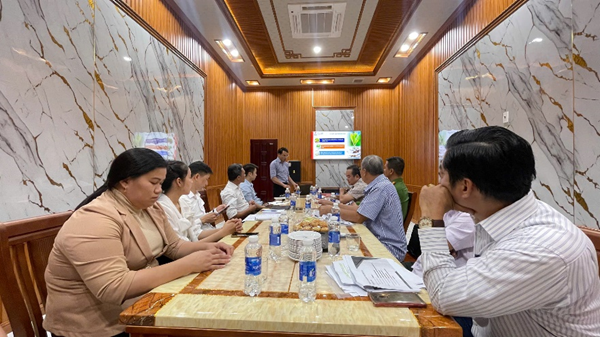
Photo: Year 1 Review and Year 2 Planning Meeting in Ca Mau.
After five months of local implementation, the project has laid important groundwork, including completing the baseline survey, initially identifying 30 potential ecosystem-based livelihood models, assessing the needs of women and youth, and establishing a network of 60 local core trainers to support these models during implementation. The project has also begun engaging with financial institutions and investors to explore more suitable financial solutions aligned with local conditions.
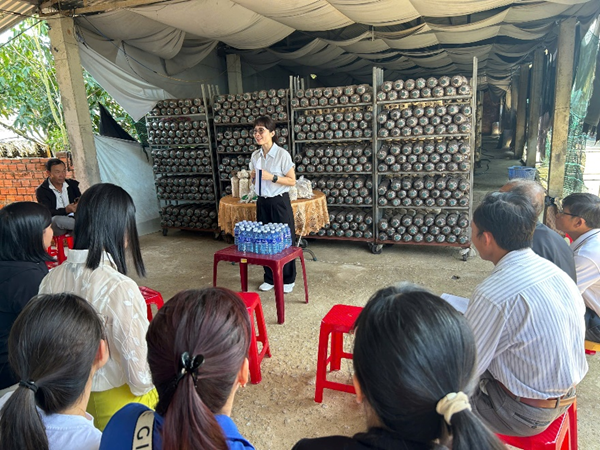
Photo: TOT training at Song Dam, Da Nang.
Mr. Tạ Minh Phụng, representative of the People’s Committee of Đất Mũi Commune, Cà Mau, shared his expectations: “Local communities already have a range of livelihood models adapted to natural conditions; however, most remain small-scale and face challenges in accessing capital, technical support, and stable markets. The project is expected to provide more suitable financial solutions, along with technical and market support, to help these models grow more effectively and sustainably in the coming time.”
In the second year, the project will continue to focus on strengthening capacities, supporting the development of ecosystem-based business models, and piloting more appropriate financial solutions. These efforts aim to enhance livelihood stability for communities - particularly women and youth - while contributing to long-term sustainable development.